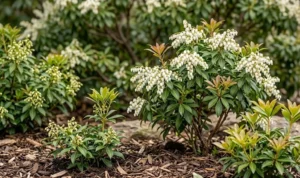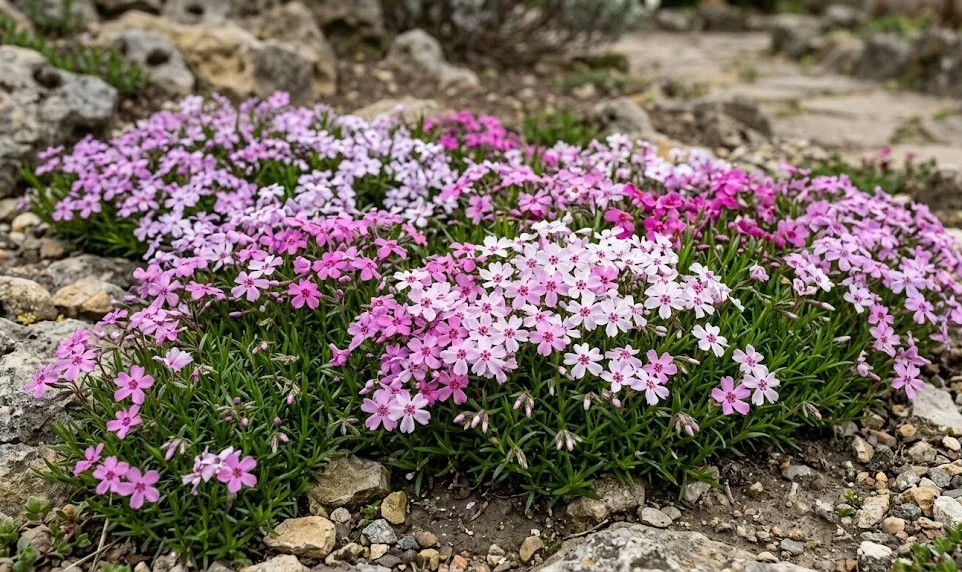

Pruning and cutting back moss phlox is a vital maintenance task that keeps the plant looking its best and promotes long-term health. While it may seem counterintuitive to cut back a plant that you want to spread, strategic trimming actually encourages a denser and more resilient carpet. This process helps manage the size of the plant, removes dead material, and stimulates the growth of fresh, green stems. By following a few simple professional techniques, you can ensure your moss phlox remains a highlight of your garden for many years.
Post-bloom pruning techniques for health
The most important time to prune your moss phlox is immediately after the spring flowers have finished blooming. This is the period when the plant is shifting its energy from reproduction back to vegetative growth and root development. By trimming the stems at this stage, you prevent the plant from wasting energy on producing seeds that aren’t usually needed. It also gives the phlox plenty of time to recover and grow new foliage before the heat of the summer arrives.
You should use a pair of sharp garden shears or even a set of hedge trimmers for larger patches of the groundcover. The goal is to remove the spent flower heads and about one-third of the stem length across the entire plant. This light “haircut” results in a much neater appearance and prevents the mat from becoming too tall or messy. You will be surprised at how quickly the plant responds with a flush of bright new green growth within just a few weeks.
Pruning also helps to increase air circulation within the dense mat of foliage, which is essential for preventing disease. By thinning out some of the older stems, you allow more light and air to reach the center of the plant where moisture often hides. This simple act of maintenance is one of the best ways to discourage the development of powdery mildew during the humid summer months. A well-pruned plant is not only more attractive but also much hardier and more resistant to various environmental stressors.
When you are finished pruning, it is a good idea to lightly rake away the clippings from the top of the carpet. Leaving a thick layer of dead stems on top of the plant can smother the new growth and create a habitat for unwanted pests. You can add these clippings to your compost pile or use them as a very light mulch in other parts of the garden. Keeping the surface of the phlox clean ensures that the plant can breathe and soak up the sun as it enters its summer growth phase.
More articles on this topic
Encouraging a dense and compact carpet growth
The primary reason most gardeners grow moss phlox is for its ability to create a solid, weed-suppressing mat of evergreen foliage. Regular pruning is the key to maintaining this density because it forces the plant to branch out rather than just growing longer. Every time you snip off the tip of a stem, the plant responds by growing two or more new stems from the nodes below. This multiplicative effect is what leads to a thick and luxurious carpet that completely covers the ground.
If you leave moss phlox completely unpruned for several years, it will eventually become “leggy” and lose its tight form. The stems will grow long and thin, and you may start to see bare patches of soil appearing in the middle of the plant. This is because the plant is putting all its energy into the tips of the stems rather than maintaining its core. A consistent pruning routine prevents this decline and keeps the entire plant looking youthful and vigorous regardless of its actual age.
You can also use pruning to direct the growth of the plant into specific areas, such as between paving stones or over the edges of a stone wall. By trimming the stems that are growing in the wrong direction, you encourage the plant to put more energy into the parts you want to expand. This allows you to “sculpt” the groundcover to fit the unique contours of your specific garden design. It is a very effective way to create a polished and professional look for your landscape with relatively little effort.
For plants that are growing on a slope, pruning can help prevent soil erosion by encouraging a stronger and more interconnected root system. The more stems you have touching the ground, the more opportunities the plant has to form new roots along its length. This creates a stable network that holds the earth in place even during heavy rains or melting snow. Pruning is therefore not just an aesthetic task but also a practical way to improve the structural integrity of your garden beds.
More articles on this topic
Rejuvenating old and woody patches of phlox
As moss phlox gets older, the center of the plant can sometimes become woody and stop producing new green leaves. This is a natural part of the aging process, but it can make the plant look tired and unattractive if it is not addressed. You can rejuvenate these older plants by performing a more aggressive pruning than you would for a younger, more vigorous patch. This involves cutting back the woody sections to encourage new shoots to emerge from the base of the plant.
The best time for this type of rejuvenation pruning is in the early spring just as the plant is starting to wake up. By removing the old, unproductive wood, you make room for the fresh growth that is naturally trying to push through. You should be careful not to remove all the green foliage, as the plant still needs some leaves to produce energy for its recovery. A balanced approach that removes about half of the old wood is usually enough to trigger a significant transformation over the coming season.
After a heavy rejuvenation pruning, it is vital to provide the plant with a little extra care to help it recover quickly. Make sure the soil remains consistently moist and consider adding a light top-dressing of well-rotted compost to provide a boost of nutrients. You will notice that the new growth that emerges is often much more vibrant and produces better flowers than the old wood ever did. This cycle of renewal can extend the life of your moss phlox for many years beyond what is typical for unmanaged plants.
If a plant has become so woody that pruning alone isn’t enough, you might consider digging it up and dividing it as discussed in other chapters. However, for most garden situations, a regular pruning schedule is all that is needed to keep the plants looking great. Being proactive with your maintenance prevents the need for drastic measures and ensures a more consistent display year after year. With a sharp pair of shears and a little bit of time, you can keep your moss phlox in peak condition.