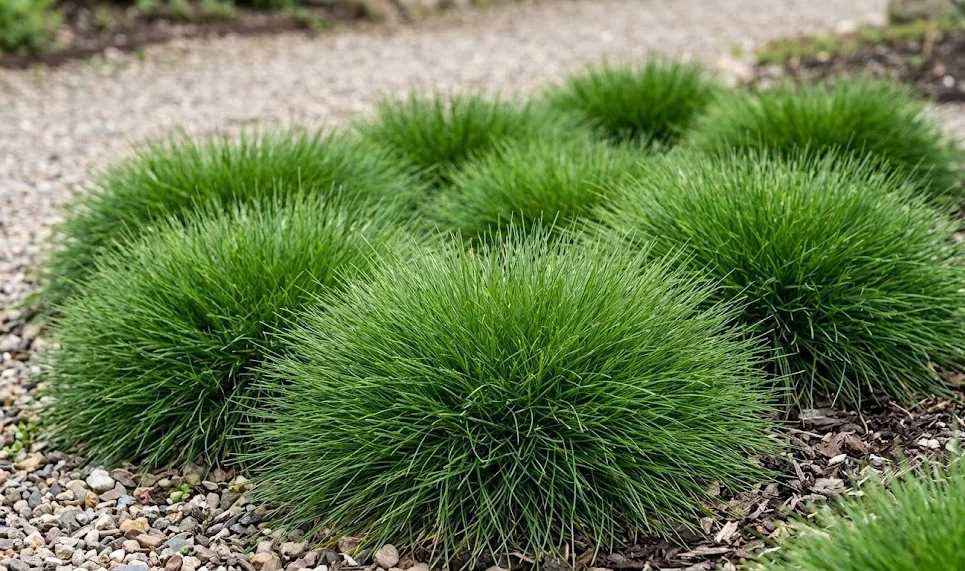

Maintaining the aesthetic appeal and biological health of bearskin fescue requires a consistent approach that respects its natural alpine origins. This ornamental grass is prized for its dense, needle-like foliage that creates a lush, mossy appearance in various garden settings. To achieve the best results, you must balance regular observation with non-invasive maintenance techniques. A well-cared-for plant can serve as a long-lived structural element in your landscape for many years to come.
The foundational aspect of care involves monitoring the moisture levels in the soil surrounding the root zone. While this species is relatively drought-tolerant once it has established its root system, it still requires occasional hydration during extreme heatwaves. You should check the soil depth to ensure it does not become bone-dry for extended periods. Providing a light mulch can help retain some moisture while also suppressing competing weeds that might steal nutrients.
Regular cleaning of the foliage is another essential task for the dedicated gardener. Over time, older blades of grass may turn brown or die back, which can diminish the vibrant green look of the mound. You can gently comb through the tufts with your fingers or a small hand rake to remove these dead elements. This process improves airflow within the dense structure of the plant and reduces the risk of fungal infections. It also allows new shoots to emerge more easily from the center of the crown.
The physical environment around the plant must remain tidy to prevent the accumulation of debris. Fallen leaves from nearby deciduous trees can settle on top of the fescue and block necessary sunlight or trap unwanted moisture. You should periodically clear away these leaves to ensure the grass can breathe and photosynthesize effectively. This simple act of hygiene prevents the rot that often occurs when organic matter sits on the plant’s crown. Maintaining a clear perimeter also makes it easier to spot any early signs of pests.
Managing the growth environment
Success with this grass depends heavily on ensuring the soil remains porous and well-aerated over the seasons. Heavy clay soils can become compacted over time, which restricts the ability of the roots to expand and absorb oxygen. You might consider aerating the soil around the base of the plant if you notice the water is no longer draining quickly. Adding a bit of sharp sand or fine grit to the surrounding area can also help maintain the necessary drainage profile. A healthy root system is the primary defense against environmental stressors.
More articles on this topic
The surrounding vegetation also plays a role in the health of your bearskin fescue clumps. Because this grass grows in low, dense mounds, taller aggressive plants might shade it out or encroach on its space. You should ensure there is enough physical distance between the fescue and its neighbors to allow for proper air circulation. Trimming back nearby perennials can prevent them from leaning over the grass and creating humid microclimates. This spatial management is crucial for keeping the plant’s unique shape intact.
Seasonal shifts bring different challenges that require your attention to ensure the plant remains hardy. In late autumn, you should prepare the ground by clearing away any mulch that has become too thick or soggy. Keeping the crown relatively clear during the transition into winter prevents excess moisture from sitting against the stems. This proactive approach helps the plant enter its dormant phase in a healthy state. You will find that a little preparation in the fall leads to much better growth in the spring.
The long-term vitality of the grass can be supported by avoiding heavy foot traffic in the immediate vicinity. The delicate, needle-like leaves can be crushed if stepped on frequently, leading to unsightly brown patches. You should design your garden paths so that people and pets do not accidentally trample the soft cushions. If a section does get damaged, it may take a full growing season for the foliage to recover its uniform shape. Protecting the physical integrity of the mounds is a simple but vital part of care.
Ensuring nutrient balance
Providing the right balance of nutrients is more about restraint than abundance when dealing with bearskin fescue. This species is adapted to lean, rocky environments where high levels of nitrogen are rarely found. If you over-fertilize, the plant may grow too quickly, leading to a loose and floppy appearance rather than a tight cushion. You should aim for a slow-release approach that provides just enough support for steady development. Observing the color of the foliage is the best way to determine if the plant needs a boost.
More articles on this topic
The timing of any nutrient supplementation should align with the natural growth cycles of the grass. Early spring is the most effective time to provide a light organic compost or a balanced fertilizer. This gives the plant the resources it needs as it wakes up from dormancy and begins to produce new green growth. You should avoid feeding the plant late in the summer or in the autumn. Late-season fertilization can trigger soft growth that is highly susceptible to winter frost damage.
Soil pH is another factor that can influence how well the plant absorbs the nutrients already present in the earth. Bearskin fescue generally prefers a neutral to slightly acidic environment, though it is quite adaptable. If the foliage begins to look yellow or stunted, it might be worth testing the soil to see if the pH has shifted too far. You can adjust the acidity by adding sulfur or lime in small, controlled amounts. Maintaining the correct chemical balance ensures that the roots can function at their peak efficiency.
The use of organic matter is often the safest way to improve the soil quality without over-stimulating the plant. Well-rotted leaf mold or a thin layer of compost worked into the topsoil provides a gentle source of nutrition. This also improves the soil structure by encouraging beneficial microbial activity and earthworms. You will notice that the grass responds well to this natural approach, showing a deep and consistent green color. Over time, this method builds a sustainable ecosystem that requires less manual intervention.
Monitoring seasonal changes
As the seasons progress from spring to summer, the plant’s needs will naturally shift based on temperature and light. During the peak of summer, the primary goal is to prevent heat stress and dehydration. You should observe the tips of the grass, as browning can indicate that the plant is struggling with the intensity of the sun. Providing a bit of extra water during these periods can help the plant maintain its cooling mechanisms. However, always ensure the water does not sit at the base for too long.
When the cooler weather of autumn arrives, the growth rate of the grass will naturally slow down. This is a period of transition where the plant begins to store energy in its root system for the coming winter. You should reduce any watering schedules and stop all fertilization to allow the plant to harden off. It is also a good time to inspect the clumps for any signs of internal rot that might have developed during a humid summer. Catching these issues early prevents them from becoming fatal during the winter months.
Winter care is mostly about protection from physical weight and excessive moisture. While the plant is very hardy, heavy snow loads can flatten the mounds and cause them to split in the center. You can gently brush off heavy snow after a storm to maintain the plant’s structural integrity. Ensuring that the site has excellent drainage is even more important in winter when the ground may be saturated. Cold and wet conditions are the biggest threat to this species during the dormant season.
Spring is the time of rejuvenation and the most active period for maintenance and care tasks. As the temperatures rise, you will see new green needles poking through the older foliage. This is the ideal window to perform any light cleaning or trimming to set the plant up for the year. You should check the soil to see if any frost heave has lifted the plant out of the ground. Gently pressing the clumps back into place ensures the roots stay in contact with the soil.
Aesthetic and structural management
Maintaining the iconic cushion shape of the bearskin fescue is one of the main goals for any ornamental gardener. If left entirely alone for many years, the center of the clump can sometimes become thin or die out. You can prevent this by occasionally dividing the plant every few years to keep the growth vigorous. This rejuvenation ensures that each individual mound stays tight and aesthetically pleasing. A proactive approach to spacing also helps keep each cushion distinct and well-defined.
The way the grass interacts with its hardscape elements can also impact its long-term health and appearance. If planted next to large stones, the rocks can absorb and radiate heat, which the fescue may find beneficial or stressful. You should monitor how the plant reacts to these microclimates and adjust your watering if necessary. The contrast between the soft green grass and the hard grey stone is a classic garden look. Ensuring both elements are well-integrated creates a harmonious and professional landscape design.
Using this grass as a groundcover requires a specific strategy to ensure full and even coverage over time. You should space the plants close enough that they will eventually touch, but not so close that they compete too fiercely. As the mounds grow together, they will form a undulating green carpet that is highly effective at preventing erosion. You should keep the edges of this carpet trimmed if you want to maintain a neat border. This level of control allows you to define the shape of your garden beds clearly.
Color consistency is a hallmark of a healthy bearskin fescue and a sign of proper care. If you notice patches of different shades of green or yellow, it may indicate uneven light or nutrient distribution. You should look for any overhead obstructions that might be casting uneven shadows throughout the day. Rotating the plant slightly during a transplanting phase can sometimes help if one side is clearly lagging. Consistent care leads to a uniform appearance that is the pride of any horticultural display.
Enhancing plant longevity
To ensure your bearskin fescue lives for a decade or more, you must focus on the health of the subterranean environment. The longevity of the plant is directly tied to the vitality of its root system and the lack of fungal pathogens. You should avoid using heavy chemical pesticides that might harm the beneficial fungi in the soil. Instead, rely on cultural practices like proper spacing and drainage to keep the plant strong. A naturally resilient plant is much more likely to survive unexpected weather events.
Regular observation is the best tool for extending the life of your ornamental grasses. By spending a few minutes each week looking closely at the foliage, you can catch small problems before they escalate. Look for changes in texture, color, or the presence of any unusual insects or webbing. This habit of “scouting” allows you to intervene with minimal effort and avoids the need for drastic measures. Your plants will reward this attention with steady and reliable growth.
Integrating the grass into a diverse garden ecosystem can also contribute to its overall health. When you plant it alongside other species that attract beneficial insects, you create a natural balance of predators and prey. This reduces the likelihood of a single pest species overwhelming your fescue. Diverse plantings also tend to have more robust soil microbiomes, which benefits all the plants involved. A holistic approach to gardening always pays off in the long run.
Finally, knowing when to leave the plant alone is just as important as knowing when to intervene. Bearskin fescue does not like to be constantly fussed over or moved once it has established itself. You should aim to get the planting conditions right from the start so that the plant can grow undisturbed. Avoiding unnecessary root disturbance is key to a long and healthy life for this species. Respecting its natural pace of growth will lead to the most satisfying results.
Advanced care techniques
For those looking to take their bearskin fescue care to the next level, micro-nutrient management can be explored. While basic fertilizers cover the main bases, trace elements like iron or magnesium can enhance the deep green color. You should only use these if a soil test indicates a specific deficiency to avoid toxicity. Applying these through a foliar spray or a diluted liquid feed can provide a quick boost during the growing season. This level of precision is often used in professional or botanical garden settings.
Managing the humidity around the plant is another advanced consideration, especially in regions with damp summers. In very humid climates, you might consider thinning the inner foliage slightly to increase internal air movement. This is a delicate task that should be done with sharp, sterilized snips to avoid damaging the healthy tissues. By reducing the density just enough, you can significantly lower the risk of summer fungal blights. This technique requires a steady hand and a good understanding of the plant’s structure.
Biological controls can also be used as a sophisticated way to manage potential pest issues. Introducing predatory mites or beneficial nematodes into the soil can help control soil-borne larvae that might nibble on the roots. This method is environmentally friendly and integrates perfectly into an organic gardening philosophy. It provides a hidden layer of protection that works 24/7 without the need for manual spraying. Investing in the soil food web is a hallmark of an expert gardener.
Refining your irrigation system to match the specific needs of the fescue can also yield superior results. Using a drip irrigation system ensures that the water goes directly to the roots without wetting the foliage. Wet leaves, especially in the evening, are a primary cause of many grass diseases and fungal growth. Setting a timer to water in the early morning allows any accidental splashes to dry quickly in the sun. These small technical adjustments can make a significant difference in the overall vitality of your garden.