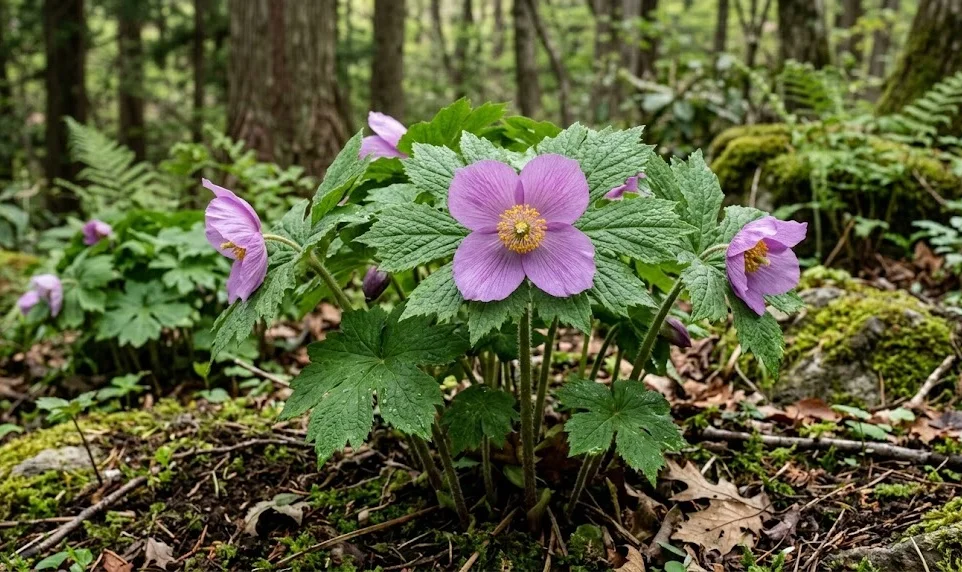

The light environment is perhaps the most defining factor in the successful cultivation of the Japanese wood poppy, as it dictates the plant’s photosynthetic efficiency and overall aesthetic quality. In its native habitats, this species is a true denizen of the forest floor, thriving in the filtered, soft light that penetrates through the canopy of deciduous trees. Replicating this specific light quality in a domestic garden requires a deep understanding of shade dynamics and seasonal changes in solar angle. Providing too much light can lead to immediate foliage damage, while too little can result in weak growth and a lack of flowering.
The ideal light condition is often described as “dappled shade,” which refers to a shifting pattern of sunlight and shadow throughout the day. This environment prevents the plant from being exposed to the intense, direct rays of the sun for any extended period. The large, pleated leaves of the poppy are specifically adapted to capture low levels of light efficiently, making them highly sensitive to overexposure. In a professional garden design, the placement of these plants is carefully calculated to ensure they are shielded during the most intense hours of the day.
Morning sun is generally more tolerated than the harsh afternoon sun, as the air temperatures are cooler and the light is less intense. Many growers find that a few hours of soft morning light can actually improve the flower color and encourage a more robust growth habit. However, by midday, the plant should be in full shade or under a protective canopy to prevent desiccation. The goal is to provide enough energy for growth without causing the physiological stress associated with high light intensity and heat.
Seasonal variations in light must also be considered, especially in gardens with deciduous trees that lose their leaves in the autumn. In the early spring, before the trees have fully leafed out, the poppy may receive more direct light than it would in mid-summer. This early-season light is usually beneficial, as it warms the soil and provides a boost of energy for the emerging shoots. Understanding these shifting patterns of light and shadow is a core skill for any gardener working with woodland perennials.
Finding the perfect shade balance
Deep shade, such as that found under evergreen trees or in narrow urban courtyards, can sometimes be too restrictive for the Japanese wood poppy. While the plant will survive in low-light conditions, it may become leggy and fail to produce its stunning flowers. The leaves may also lose some of their characteristic deep green color, becoming a paler, more yellowish shade. Finding the balance between “too bright” and “too dark” is the key to achieving the plant’s full potential.
More articles on this topic
An ideal location is often under the high canopy of a mature oak or maple tree, where the light is scattered but still present. This “high shade” provides a stable environment where the temperature remains cool and the light levels are consistent. If a natural tree canopy is not available, architectural features like pergolas or lath houses can be used to create an artificial shade environment. These structures allow the gardener to precisely control the amount of light reaching the plants.
The density of the shade can also be managed through selective pruning of the surrounding vegetation to allow more light to filter through. This “thinning” of the canopy can brighten up a dark corner and provide the poppy with just enough extra energy to thrive. It is a delicate task that requires a professional eye to ensure the shade remains protective while becoming more productive. Regular adjustments to the light environment are often necessary as the garden matures and the surrounding plants grow.
Monitoring the plant’s response is the most reliable way to judge if the light levels are correct. If the leaves are large, deep green, and the plant blooms reliably, the light balance is likely perfect. If the plant seems to be leaning toward a light source or has unusually long stems, it may need a bit more light. Conversely, any signs of browning on the leaf tips or a “washed out” appearance suggest that the site is too bright and needs more protection.
Risks of sun exposure and heat stress
Direct sunlight is the primary cause of leaf scorch in Japanese wood poppies, a condition where the cellular structure of the leaf is literally cooked by solar radiation. This damage often appears as brown, papery patches on the leaf margins or between the veins. Once a leaf is scorched, it cannot heal, and the plant must live with the damaged tissue until the following year. Preventing this damage is a top priority, as it significantly detracts from the plant’s beauty and health.
More articles on this topic
Heat stress often goes hand-in-hand with sun exposure, as direct light also raises the temperature of the leaf and the surrounding soil. When the plant becomes too hot, it increases its transpiration rate, which can lead to wilting if the roots cannot keep up with the demand for water. In extreme cases, heat stress can force the plant into an early, unplanned dormancy, which weakens the rhizome for the following year. A cool, shaded location acts as a natural air conditioner for these mountain-dwelling plants.
Reflected light from light-colored walls or paved surfaces can also be a hidden source of sun damage. Even if the plant is technically in the shade, the intensity of reflected rays can be enough to cause leaf burn. When selecting a planting site, it is important to look at the entire environment, including nearby structures and hardscaping. Providing a buffer of green vegetation can help absorb this reflected light and keep the environment more stable.
During unseasonable heatwaves, even a well-sited plant may need extra protection to survive the spike in temperature and light. Temporary shading with umbrellas or shade cloth can provide immediate relief during the hottest part of the day. This emergency intervention can prevent a single hot afternoon from ruining a season’s worth of growth. Professional gardeners are always prepared for these environmental fluctuations and act quickly to protect their sensitive charges.
Seasonal light shifts and management
The movement of the sun throughout the year means that a spot that is perfectly shaded in May might be in full sun by August. It is important to observe the garden at different times of the year and different times of the day to understand these dynamics. A professional planting plan accounts for these shifts by placing the poppy where it is protected during the peak sun months. Mapping the shadows in your garden is a useful exercise for any serious woodland horticulturalist.
In late autumn and winter, the light levels are generally not a concern as the plant is dormant and below the ground. However, the presence of winter sun can sometimes warm the soil prematurely, leading to early emergence that is then threatened by frost. Keeping a layer of mulch over the crown helps to keep the soil temperature stable despite the low winter sun. This thermal stability is just as important as the light levels during the active growing season.
As the trees begin to leaf out in the spring, the light environment undergoes its most dramatic transformation. The “spring window,” when the ground is warm but the canopy is not yet closed, is a time of rapid growth for the wood poppy. The plant uses this period of relatively high light to fuel its initial development and flowering. Once the canopy closes, the plant transitions into its summer mode, focusing on energy storage in the cool, deep shade.
By understanding and respecting the specific light requirements of the Japanese wood poppy, a gardener can create a stunning display that lasts for years. This plant is a master of the shadows, and its presence adds a sense of mystery and elegance to any shaded garden. The effort invested in finding and maintaining the perfect light balance is rewarded with a healthy, vibrant plant that is a true highlight of the woodland collection. Light management is both a science and an art in the world of professional gardening.