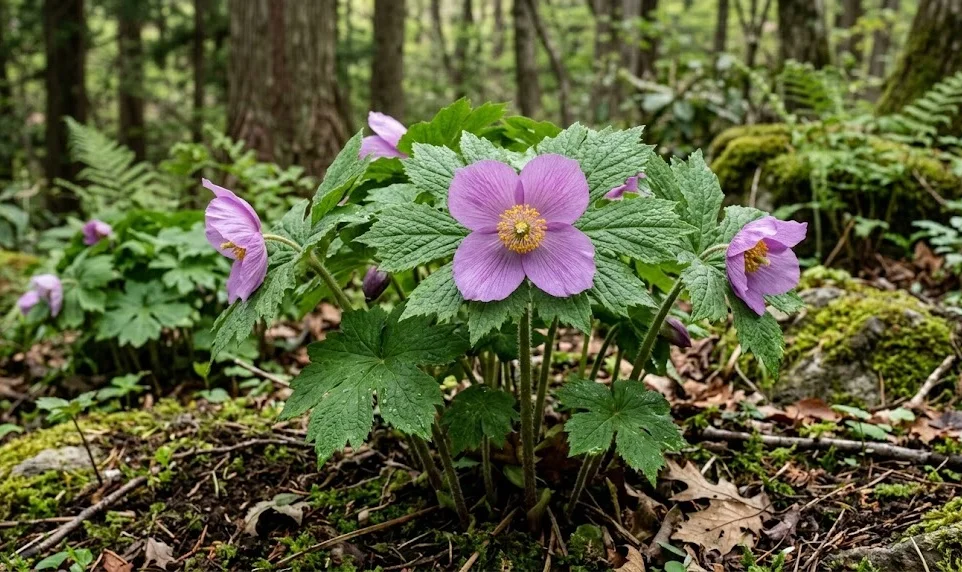

Pruning and cutting back are essential maintenance tasks that help preserve the health and aesthetic appeal of the Japanese wood poppy throughout the growing season. Unlike many other perennials, this species does not require intensive shaping, but it does benefit from the targeted removal of dead or damaged tissue. A professional approach to pruning focuses on cleanliness, timing, and an understanding of the plant’s natural growth habit. By managing the foliage effectively, the gardener can prevent the spread of disease and ensure that the plant’s energy is directed where it is most needed.
The primary pruning tasks for the Japanese wood poppy include deadheading spent flowers and removing yellowing or damaged leaves. Deadheading is the process of cutting off the old blooms once they have finished their display, which prevents the plant from wasting energy on seed production. This energy is instead redirected back into the rhizome, helping to build a stronger plant for the following year. For those who wish to collect seeds, a few flower heads can be left in place, but general maintenance usually favors their removal.
Leaf maintenance is an ongoing task during the summer months, as individual leaves may become damaged by wind, pests, or environmental stress. Removing these unsightly leaves not only improves the appearance of the plant but also improves air circulation within the clump. It is important to use sharp, sterilized tools for every cut to avoid crushing the stems and to prevent the introduction of pathogens. A clean cut heals more quickly and is less likely to become a point of entry for fungal infections.
As the season draws to a close in the autumn, the final task is to cut back the entire plant once the foliage has completely withered. This annual cleanup removes the old growth before it can decay and become a sanctuary for overwintering pests or mold. The timing of this final cut is important, as the plant should be allowed to fully retreat into dormancy before the stems are removed. This cycle of light maintenance and seasonal cleanup is the key to keeping a Japanese wood poppy collection in peak condition.
Timing and tools for effective pruning
The best time for general maintenance pruning is in the late spring and early summer, immediately after the flowering period has ended. This allows the plant to focus on building its energy reserves during the long days of summer without the burden of supporting old blooms or damaged foliage. Pruning during the peak of the growing season should be done with a light touch, focusing only on what is strictly necessary. Avoiding heavy pruning during the hottest part of the year helps to minimize the stress on the plant.
More articles on this topic
High-quality tools are a requirement for any professional gardener, and this is especially true when working with the succulent stems of the wood poppy. Small, sharp bypass pruners or specialized floral snips provide the precision needed to make clean cuts in tight spaces. Anvil-style pruners should be avoided as they tend to crush the soft tissue rather than cutting it cleanly. Maintaining the sharpness of your tools ensures that every cut is a “surgical” one that the plant can recover from quickly.
Sanitation is perhaps the most important aspect of the pruning process, as tools can easily spread diseases from one plant to another. Wiping the blades with a disinfectant, such as a 70% alcohol solution, between plants is a simple habit that prevents many problems. This is particularly important if you are pruning a plant that shows any signs of spotting or rot. A disciplined approach to hygiene is the hallmark of a professional horticulturalist and is essential for maintaining a healthy garden.
When making a cut, it is usually best to prune back to a healthy set of leaves or all the way to the base of the stem. Leaving long, headless “stubs” is not only unsightly but also provides a place for decay to start. Each cut should be made at a slight angle to allow water to run off the wound rather than pooling on top of it. These small details in technique contribute to the overall health and longevity of the Japanese wood poppy.
Benefits of deadheading and leaf removal
Deadheading is more than just an aesthetic choice; it is a strategic intervention that influences the plant’s future vigor. By removing the developing seed pods, the gardener interrupts the plant’s natural reproductive cycle and forces it to focus on vegetative growth. This results in a larger, more robust rhizome that is better equipped to produce a spectacular display the following year. For many enthusiasts, the trade-off of losing seeds for a stronger plant is an easy decision to make.
More articles on this topic
Removing damaged or diseased leaves is another critical part of maintaining a healthy woodland garden. A leaf that is partially brown or infested with pests is not only a drain on the plant’s resources but also a potential source of infection for the rest of the clump. By thinning out the foliage and removing the “weakest links,” you improve the overall resilience of the plant. This proactive grooming keeps the Japanese wood poppy looking its best even in the challenging conditions of mid-summer.
Improved air circulation is a secondary but highly important benefit of regular pruning and leaf removal. A dense clump of large leaves can trap humidity and create a stagnant microclimate that is perfect for the growth of powdery mildew and other fungi. By selectively removing a few leaves, you allow air to move more freely through the plant, which helps keep the foliage dry and healthy. This natural “ventilation” is one of the best ways to prevent common woodland plant diseases without the use of chemicals.
The visual impact of a well-groomed plant cannot be overstated, especially for a species as structurally elegant as the Japanese wood poppy. Removing yellowed leaves and spent stems allows the architectural beauty of the healthy foliage to take center stage. This attention to detail reflects the care and dedication of the gardener and turns a simple plant into a true garden masterpiece. Regular maintenance is the secret to a garden that looks professional and well-cared-for throughout the entire season.
Post-pruning care and observations
After a session of pruning or cutting back, it is important to monitor the plant for any signs of adverse reaction. While the wood poppy is generally resilient, any physical intervention can be a minor stressor, especially in hot weather. Providing a little extra water after pruning can help the plant maintain its internal pressure and support the healing of the wounds. Most plants will show no ill effects and will quickly resume their normal growth patterns.
The removed plant material should be handled with care, especially if it shows any signs of disease or pest infestation. Rather than adding it to the compost pile, it is often safer to dispose of this debris in the trash or by burning it. This ensures that any pathogens are completely removed from the garden environment and cannot return to infect the plants in the future. Good garden hygiene extends beyond the plant itself to the management of the waste it produces.
Keeping a record of when you prune and how the plant responds can provide valuable insights for future seasons. You may find that certain timings lead to better recovery or that a particular level of deadheading produces more blooms the following year. This data-driven approach allows you to refine your maintenance routine to perfectly match the needs of your specific plants. Every garden is unique, and your own observations are the best guide for high-level horticultural success.
In conclusion, the pruning and cutting back of the Japanese wood poppy is a simple but vital part of its annual care cycle. By using the right tools at the right time and maintaining a high standard of hygiene, you can ensure your plants remain healthy and beautiful. These small acts of maintenance are a rewarding way to connect with the plant and participate in its growth and development. A well-pruned wood poppy is a testament to the skill and passion of the dedicated woodland gardener.