
The amount and quality of light that a clematis receives are the primary factors that determine its flowering potential and overall health. While these plants are famous for their love of the sun, the reality is a bit more nuanced and depends on the specific variety you are growing. Finding the perfect balance between bright light and cool shade is often the most challenging part of placing a new plant in the garden. By understanding how light affects their growth, you can choose the best possible location for every member of your clematis collection.
Sunlight vs shade balance
The general rule for most clematis is that they need “their heads in the sun and their feet in the shade.” You should aim to provide at least six hours of direct sunlight to the upper parts of the plant to ensure a heavy crop of flowers. Without adequate light, the stems will become leggy and the blooms will be sparse and poorly colored. Sunlight provides the energy the plant needs to build the complex sugars required for those massive, stunning petals.
However, the root system is highly sensitive to heat and can easily become stressed if the soil is exposed to direct, hot afternoon sun. You must provide some form of shade for the base of the plant, either through mulching or by planting low-growing companions. This shade keeps the soil temperature lower and helps the ground retain the moisture that the roots desperately need. It is this unique “split personality” that makes the placement of a clematis so critical to its long-term success.
Some varieties, particularly those with pale or striped flowers, actually prefer a bit of light shade during the hottest part of the day. You might find that the intense midday sun can cause the delicate colors of certain blooms to fade or bleach out prematurely. Placing these specific plants in a location with “dappled sunlight” or morning sun and afternoon shade will preserve their beauty much longer. Researching the specific preferences of your chosen variety will help you avoid this common disappointment.
If you have a very shady garden, don’t despair, as there are several clematis varieties that are specifically adapted to lower light levels. These plants often have smaller flowers but compensate with a high volume of blooms and very attractive foliage. You should avoid planting the large-flowered hybrids in deep shade, as they will likely never reach their full potential there. Matching the plant’s natural light requirements to your garden’s reality is the mark of a thoughtful and effective gardener.
More articles on this topic
Impact of light on flower color
The intensity of the light has a direct and measurable effect on the vibrancy and saturation of the clematis blooms. You will often notice that the same variety can look quite different depending on whether it is planted in full sun or partial shade. In bright light, the colors tend to be more intense, but the individual flowers may not last as long before they begin to wilt. Finding the “sweet spot” for light exposure will give you the best combination of color intensity and flower longevity.
Ultraviolet light is the primary driver behind the development of the pigments that give clematis their famous purples, reds, and blues. You should be aware that some blue varieties can appear more mauve or purple if they are grown in lower light conditions. Conversely, some pink varieties may take on a deeper, almost red hue when exposed to the full force of the summer sun. Understanding these color shifts allows you to use your clematis more effectively as part of a larger garden color scheme.
The timing of the light exposure also plays a role in how the flowers are perceived by the human eye throughout the day. A clematis planted to receive morning sun will glow with a fresh, bright energy as the day begins. One that catches the low, warm light of the late afternoon will have a completely different, more dramatic appearance in the evening. You can use these lighting effects to create specific moods in different parts of your garden during the times you use them most.
In regions with very high temperatures and intense sunlight, you should provide more protection for your plants than you would in cooler, cloudier climates. The sheer power of the sun in the southern regions can be too much for even the most sun-loving clematis to handle without some relief. Providing a light overhead lattice or planting near a deciduous tree can provide the necessary break from the intense heat. Always observe your plants for signs of leaf scorch, which indicates that the light levels are simply too high for that specific specimen.
More articles on this topic
Group specific light preferences
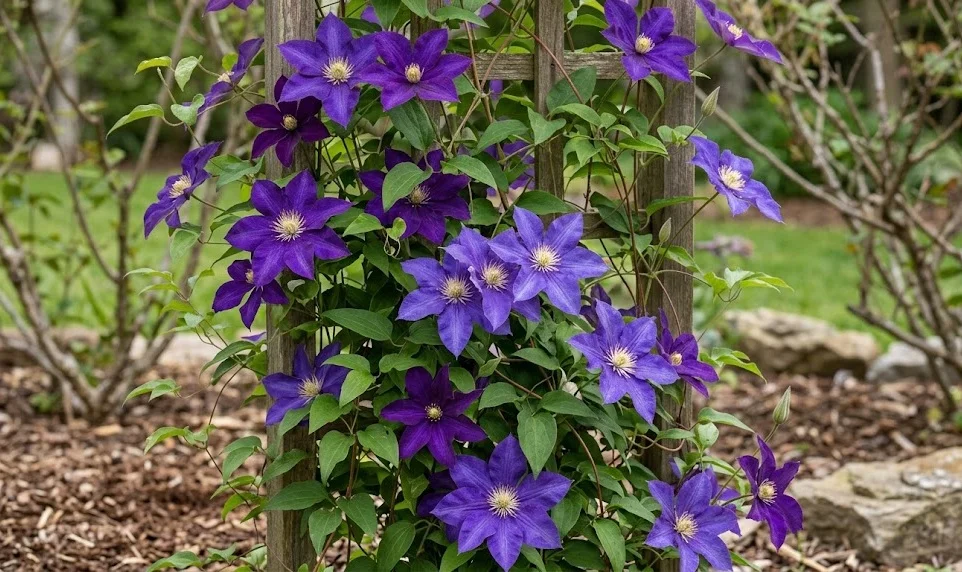
Large-flowered hybrids, which are often categorized in Group 2, typically demand the most light to produce their signature massive blooms. You should give these plants the sunniest spots in your garden, provided you can keep their roots sufficiently cool and moist. They are the “divas” of the clematis world and will not perform well if they are relegated to a dark corner or a north-facing wall. Their spectacular show is the reward for providing them with the high-energy environment they crave.
The viticella and late-flowering species in Group 3 are generally quite adaptable but still perform best with a significant amount of daily sunshine. You will find that these varieties are often more resilient and can handle the heat of a south-facing wall better than some of the more delicate hybrids. They are excellent choices for covering large areas quickly and providing a massive wall of color in the late summer. Their robust nature makes them a favorite for both beginning gardeners and seasoned professionals alike.
The early-flowering species like clematis montana and clematis alpina are much more tolerant of shade than their larger cousins. You can successfully grow these against east-facing or even some north-facing walls where other varieties would struggle to survive. Their smaller, bell-shaped flowers are naturally adapted to the dappled light of the woodland edges where they originated. This versatility makes them invaluable for adding vertical interest to the more challenging, less sunny parts of your landscape.
When choosing a new clematis, always check the grower’s recommendations for light exposure as a primary selection criterion. You should avoid trying to force a sun-loving plant into the shade, as this only leads to frustration and a weak, sickly specimen. Conversely, don’t put a shade-tolerant variety into a baking, hot sun-trap where its delicate foliage will quickly burn. By respecting the natural light preferences of each group, you ensure a healthy, vibrant garden that looks beautiful from every angle.