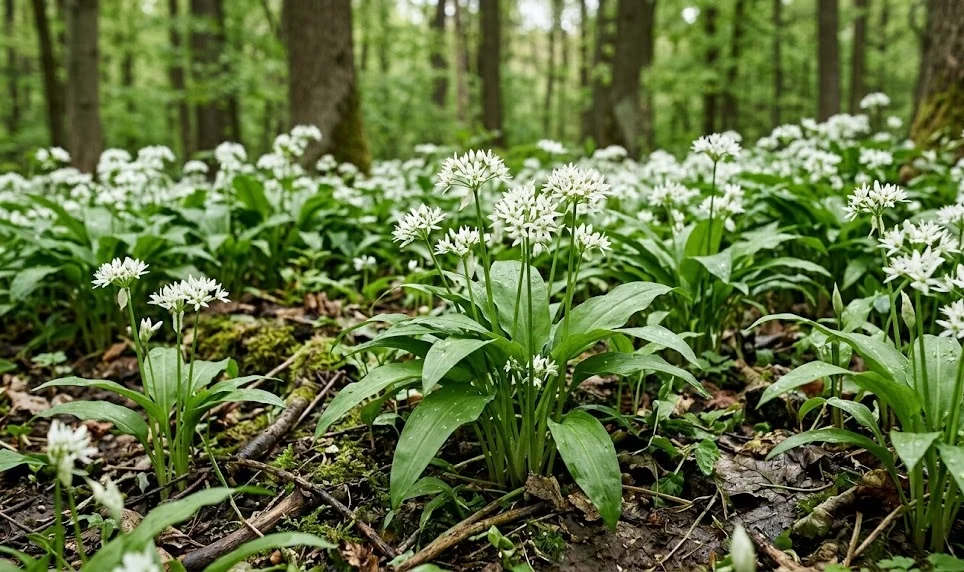

Wild garlic requires a very specific environment to thrive throughout the growing season and maintain its aromatic qualities. You need to mimic the natural woodland conditions where this plant originally evolved over many centuries in temperate climates. This means providing a cool, moist, and shaded area that prevents the delicate leaves from drying out prematurely. Understanding these fundamental needs is the first step toward a successful and sustainable harvest in your own garden.
Creating the ideal woodland microclimate
The most important factor in the successful care of wild garlic is recreating the forest floor environment. These plants naturally grow under the canopy of deciduous trees where the air remains humid and the ground is protected. You should look for a spot in your garden that remains cool even during the warmer spring days. If your garden lacks natural tree cover, you might consider using shade cloths or planting near northern walls. Providing this stable microclimate ensures that the plant does not bolt or wither too early in the season.
Proper airflow is also essential to prevent the development of fungal issues in the dense foliage. While the plants enjoy humidity, stagnant air can lead to problems like mold or rot at the base of the stems. You should ensure that the planting area is not completely enclosed by heavy structures or dense evergreen shrubs. Spacing the plants correctly allows the spring breezes to move through the leaves and keep the surface moisture at healthy levels. A well-ventilated area mimics the open structure of a natural forest where air moves freely under the high branches.
Soil moisture must be monitored constantly throughout the active growth phase in early spring. Wild garlic does not tolerate dry soil, as its shallow root system is very sensitive to lack of water. You should aim for a soil consistency that feels like a wrung-out sponge, damp but not dripping wet. If you notice the soil surface cracking, it is a clear sign that the environment is becoming too dry for the bulbs. Maintaining this moisture level is the secret to getting those lush, wide leaves that are so highly prized by gardeners.
Temperature management is the final piece of the environmental puzzle for this specific species. Wild garlic thrives in the cool temperatures of March and April and usually begins to fade when the summer heat arrives. You cannot stop this natural lifecycle, but you can prevent heat stress by keeping the ground cool with mulch. High temperatures can cause the plant to go into dormancy earlier than desired, reducing your harvest window. Keeping the roots cool allows the plant to focus its energy on leaf production and bulb strength.
More articles on this topic
Soil management and composition
The soil structure is the foundation of health for any wild garlic colony attempting to establish itself. These plants prefer a humus-rich soil that is loose enough for the bulbs to expand without resistance. You should incorporate plenty of well-rotted leaf mold or organic compost before the growing season starts. This organic matter helps the soil retain moisture while providing a slow release of essential nutrients. A heavy, compacted clay soil will likely stifle the growth and lead to stunted plants or root rot.
Achieving the right pH balance is another technical aspect that professional gardeners must consider carefully. Wild garlic generally prefers a slightly acidic to neutral soil, typically ranging between six and seven on the pH scale. If your soil is too alkaline, the plant may struggle to take up certain micronutrients, leading to yellowed leaves. You can test your soil with a simple kit and adjust it using organic sulfur or peat-free acidifying compost if necessary. Regular monitoring of the soil chemistry ensures that the bulbs remain vigorous over several years of growth.
Drainage is a critical component of soil management that should never be overlooked in the garden. While the plant loves moisture, standing water around the bulbs will quickly lead to fungal infections and death. You should ensure the soil is porous enough to allow excess water to move away from the root zone effectively. If your garden has naturally heavy soil, creating slightly raised beds can provide the necessary drainage for the bulbs. This balance between moisture retention and drainage is what defines a professional-grade growing medium.
Long-term soil health requires a commitment to replenishing the organic matter that the plants consume. Every year, a new layer of leaf mold should be applied to the surface to mimic the natural accumulation of forest litter. This process not only feeds the plants but also protects the soil structure from erosion and compaction. Healthy soil is teeming with microbial life, which helps break down nutrients into forms the plants can easily absorb. By focusing on the soil, you are essentially building a self-sustaining ecosystem for your wild garlic to inhabit.
More articles on this topic
General maintenance and observations
Regular observation is the hallmark of a skilled gardener when caring for a wild garlic patch. You should walk through your garden frequently to check for signs of stress or unusual leaf patterns. Early detection of problems allows for quick interventions that can save the entire colony from a major setback. Look for vibrant green colors and firm leaf structures as indicators of peak health and vitality. Understanding the visual language of the plant helps you adjust your care routine based on real-time needs.
Weeding is a necessary chore that must be handled with extreme care due to the plant’s sensitivity. You should hand-pull any invading weeds rather than using tools that might damage the shallow bulbs. Competitive weeds can quickly rob the soil of moisture and nutrients, especially in the early spring growth phase. Clearing the area around the wild garlic ensures that the plants have the space they need to spread their leaves. Be especially careful to remove any toxic look-alikes like lily of the valley that might sprout nearby.
Mulching provides a protective barrier that serves multiple purposes throughout the gardening year. You should apply a thick layer of organic mulch, such as shredded leaves or bark, around the base of the plants. This layer helps suppress weed growth while keeping the soil temperature stable and the moisture locked in. As the mulch decomposes, it adds to the humus content of the soil, completing a beneficial cycle. A good mulch layer also prevents soil from splashing onto the leaves during heavy rain, keeping your harvest cleaner.
Monitoring the transition from leaf production to flowering is an important part of the care cycle. Once the white umbrella-like flowers appear, the flavor of the leaves tends to become more bitter and less desirable. You should decide whether you want to allow the plant to go to seed or if you want to focus on leaf quality. Removing the flower stalks early can sometimes extend the leaf harvest, but it prevents the plant from self-sowing. Balancing these two goals depends on whether you want to expand your patch or maximize this year’s culinary output.
Seasonal adjustments for growth
The care routine for wild garlic changes significantly as the seasons progress from winter to summer. In late winter, you should clear away any heavy debris that might prevent the tender shoots from emerging. This allows the sun to warm the soil slightly and signals to the bulbs that it is time to wake up. Providing a clear path for growth ensures that the leaves develop without being deformed by obstacles. This early preparation sets the stage for a productive spring and a healthy plant lifecycle.
As spring peaks, your focus should shift toward supporting the rapid expansion of the foliage. This is the period when the plant has the highest demand for moisture and stable environmental conditions. You should be prepared to provide extra water if a spring dry spell occurs unexpectedly in your region. The goal is to keep the plant in this lush state for as long as possible before the heat rises. This is also the time when most of the harvesting will take place, requiring careful management of the plant’s energy.
When summer arrives, the wild garlic will naturally begin to yellow and eventually disappear underground. You should not be alarmed by this process, as it is a normal part of the plant’s annual dormancy. It is important to leave the yellowing leaves alone until they have completely withered and turned brown. This allows the plant to pull the remaining nutrients back into the bulb for next year’s growth. Cutting the leaves too early will weaken the bulbs and result in a poor showing in the following spring.
During the dormant period of late summer and autumn, the area where the garlic grows should remain undisturbed. You should mark the location of the bulbs so you do not accidentally dig them up while working on other projects. Even though nothing is visible above ground, the bulbs are still alive and preparing for the next cycle. Keeping the soil covered and moist during the autumn ensures that the bulbs stay healthy and protected. Respecting this quiet period is just as important as the active care you provide during the spring.
Weed control and plant competition
Managing competition from other plants is a vital aspect of maintaining a professional wild garlic patch. You should be vigilant about invasive grasses that can weave their roots among the garlic bulbs. These grasses are often much tougher than the garlic and can quickly dominate the available underground space. Removing these competitors early in the season prevents them from establishing a permanent foothold in your garden. A clean, weed-free environment allows the wild garlic to spread its runners and create a dense carpet.
The timing of weed removal is just as important as the method used to extract them. You should aim to weed after a light rain when the soil is soft and the roots come out easily. This minimizes the disturbance to the delicate wild garlic root systems that are situated near the surface. Pulling weeds in dry, hard soil can often result in pulling up the garlic bulbs along with the weeds. Being gentle and methodical during this process ensures that your primary crop remains firmly anchored in the ground.
Identifying toxic look-alikes is a critical safety task that every gardener must perform with absolute certainty. Plants like the lily of the valley or the autumn crocus can sometimes sprout in similar conditions and look like wild garlic. You should familiarize yourself with the distinct differences in leaf structure and, most importantly, the characteristic garlic scent. If a leaf does not smell like garlic when crushed, it must be removed from the patch immediately to avoid confusion. Educating yourself on these botanical differences is essential for anyone growing wild garlic for consumption.
Encouraging beneficial ground covers can sometimes help reduce the burden of aggressive weed growth. You might consider planting other shade-loving, non-competitive species that can coexist with the wild garlic without overrunning it. This creates a more complex and stable ecosystem that mimics a natural woodland floor more accurately. However, you must ensure that these companion plants do not bloom or grow so tall that they shade out the garlic. A well-designed plant community can actually reduce the amount of maintenance required over the long term.
Sustainable harvesting techniques
Harvesting wild garlic requires a professional approach to ensure the patch remains productive for many years. You should never harvest all the leaves from a single plant, as this can severely weaken the bulb. A good rule of thumb is to take only one or two leaves from each individual plant in a season. This allows the plant to retain enough photosynthetic capacity to store energy for the following winter. Sustainable practices are the difference between a one-year treat and a lifelong garden staple.
Using the correct tools for harvesting will make the process more efficient and protect the plants from damage. You should use a sharp pair of scissors or a clean garden knife to snip the leaves near the base of the stem. Pulling the leaves by hand can often result in accidentally pulling the entire bulb out of the loose soil. A clean cut also heals faster and reduces the risk of pathogens entering the plant through a ragged wound. Keeping your tools sterilized between uses is another professional habit that prevents the spread of garden diseases.
Timing your harvest is essential for capturing the best flavor and nutritional value of the wild garlic. You should ideally harvest the leaves in the early morning when they are at their most turgid and full of essential oils. Avoid picking leaves that have already begun to show signs of yellowing or spots from environmental stress. The flavor is most intense just before the flower buds open, making this the peak window for culinary use. By paying attention to the plant’s development, you can ensure that your harvest is of the highest possible quality.
Expanding your harvest area should be done gradually and with a clear plan for the future. You should avoid over-harvesting from new or small patches that are still trying to establish their territory. Allow a new colony at least two or three years of growth before you begin taking significant amounts of foliage. This patience pays off as the bulbs multiply and the patch becomes dense enough to support regular harvesting. Thinking in terms of years rather than weeks is the mark of a truly professional horticulturist.
Long-term garden integration
Integrating wild garlic into your overall garden design requires a thoughtful approach to space and aesthetics. You should consider how the area will look during the summer months when the garlic has gone dormant. Planting late-emerging perennials like ferns or hostas in the same area can fill the gap left by the garlic. This creates a layered garden that remains visually appealing throughout the entire growing season. Coordination between different plant lifecycles is a key skill in professional landscape management.
Record-keeping is a professional practice that helps you track the success of your wild garlic over several years. You should note the dates of emergence, flowering, and dormancy, as well as the overall yield of your harvest. Tracking these variables allows you to see how changes in weather or care routines affect the health of the plants. If a particular area of the garden isn’t performing well, your notes can help you diagnose the problem. Data-driven gardening leads to more consistent results and a deeper understanding of your local environment.
Education and sharing knowledge with fellow gardeners can enhance the community’s success with this plant. You should document your successes and failures to help others who might be starting their own wild garlic patches. Sharing tips on local soil conditions or specific pest issues can be incredibly valuable to neighboring gardeners. This collaborative approach fosters a healthy gardening culture and promotes the preservation of this wonderful species. Being an expert means not only growing the plant well but also helping others do the same.
The ultimate goal of wild garlic care is to create a self-sustaining population that requires minimal intervention. You should aim for a balance where the plants are healthy enough to fend off pests and compete with weeds naturally. Once established in the right environment, wild garlic can be a very low-maintenance addition to a woodland garden. Reaching this state of ecological balance is the greatest achievement for any gardener working with native or naturalized species. With patience and consistent care, your wild garlic will provide beauty and flavor for decades to come.