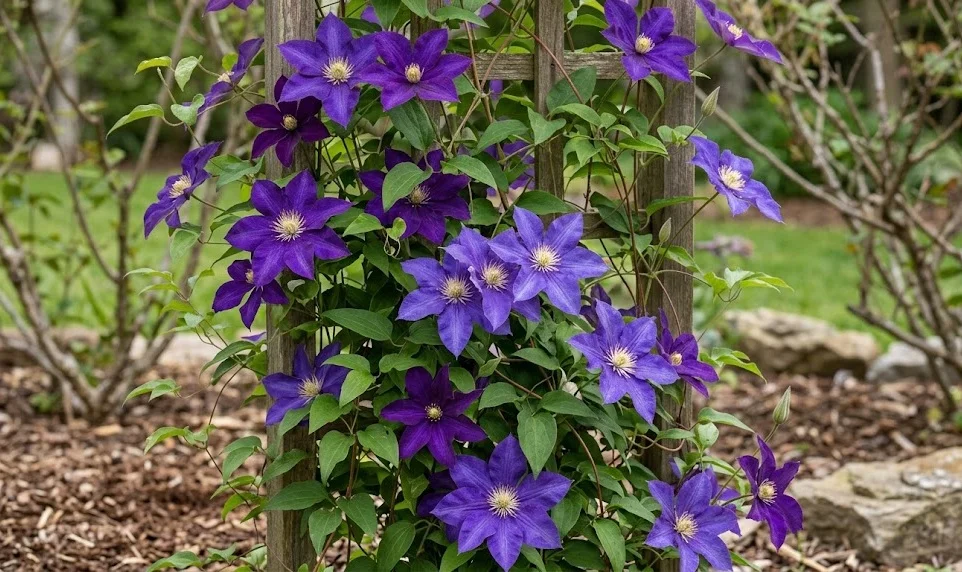

While clematis are generally robust plants, they can fall victim to several specific diseases and pests that can ruin their aesthetic appeal. The most famous of these is clematis wilt, a fungal infection that can cause a healthy-looking vine to collapse almost overnight. Understanding how to identify these threats early is the first step in protecting your vertical garden from significant damage. By maintaining a clean environment and following good cultural practices, you can minimize the risk of these problems affecting your prized specimens.
Identifying clematis wilt
Clematis wilt is perhaps the most frustrating issue for gardeners because it often strikes just as the plant is beginning to bloom. You will notice a sudden drooping of the stems, followed by the foliage turning dark brown or black within a very short period. This fungal pathogen attacks the vascular system of the plant, cutting off the flow of water and nutrients to the upper sections. While it looks devastating, it is important to remember that the root system usually remains healthy and capable of recovery.
To manage an outbreak, you must immediately prune away all affected stems down to healthy wood or even below the soil line. You should dispose of the diseased material in the trash rather than the compost pile to prevent further spread of the spores. Disinfect your pruning shears with alcohol or a mild bleach solution after every single cut to avoid contaminating other parts of the plant. This aggressive approach is necessary to stop the fungus from moving deeper into the crown.
The best defense against wilt is the deep planting technique mentioned in previous chapters, as it protects dormant buds underground. If the top of the plant dies back, these buried buds will eventually send up new, healthy shoots to replace the lost vine. You should continue to water and care for the “dead” plant as if it were still healthy, as the regrowth can sometimes take several months to appear. Many varieties eventually grow out of their susceptibility to wilt as they become more established and woody.
Prevention involves reducing the environmental stressors that allow the fungus to take hold in the first place. You should avoid physical damage to the stems, as wounds provide an easy entry point for the fungal spores. Providing consistent moisture and avoiding overhead watering will also create a less hospitable environment for the pathogen. Choosing varieties that are known to be resistant to wilt is another smart strategy for gardeners who have struggled with this issue in the past.
More articles on this topic
Fungal issues and mildew
Powdery mildew is a common fungal problem that appears as a white, flour-like coating on the surface of the leaves and stems. It usually thrives in conditions where the air is stagnant and the humidity is high, especially during the late summer months. While it rarely kills the plant, it can significantly weaken it and make the foliage look unsightly. You should act quickly at the first sign of the white spots to prevent the fungus from covering the entire plant.
Improving air circulation is the most effective long-term solution for managing various types of mildew and leaf spot. You can achieve this by thinning out some of the older stems and ensuring the plant is not overcrowded by neighboring shrubs. Placing the trellis a few inches away from the wall allows air to flow freely behind the foliage, keeping it dry and cool. This simple structural adjustment can make a world of difference in the health of your climbing vines.
Organic treatments, such as a mixture of baking soda and water or a specialized neem oil spray, can help control minor infections. You should apply these treatments in the early morning so they have time to dry before the sun becomes too intense. Repeated applications may be necessary, especially during periods of rainy or exceptionally humid weather. Always test a small area of the foliage first to ensure the spray doesn’t cause any adverse reactions or leaf burn.
Leaf spot is another fungal issue that manifests as small, dark circles with light centers on the older leaves. These spots can eventually merge, causing the entire leaf to turn yellow and drop off the plant prematurely. You should remove and destroy any infected leaves as soon as they are spotted to reduce the number of spores in the area. Keeping the ground clean and free of fallen debris is a vital part of breaking the life cycle of these persistent garden fungi.
More articles on this topic
Common insect pests
Aphids are small, soft-bodied insects that often cluster on the tender new growth and the undersides of the leaves. They feed by sucking the sap from the plant, which can lead to distorted growth and a sticky residue known as honeydew. You can usually manage a minor infestation by simply blasting them off with a strong stream of water from your garden hose. For more persistent colonies, an application of insecticidal soap or a natural predator like ladybugs can be very effective.
Slugs and snails can be a major problem for young clematis plants, especially those that are just emerging from the soil in the spring. They feed on the delicate new shoots, often cutting them off entirely before they have a chance to climb. You should use organic slug pellets or set up copper tape barriers around the base of the plant to deter these nocturnal pests. Checking your plants after dark with a flashlight can also help you manually remove and relocate these hungry invaders.
Spider mites are tiny pests that can become a problem during hot, dry weather when the plant is already under stress. You will notice a fine webbing between the leaves and a mottled, yellowish appearance to the foliage as they feed. Increasing the local humidity by misting the area can help deter these mites, as they prefer dry conditions. If the infestation is severe, you may need to use a specialized miticide to protect the health of your climber.
Scale insects can sometimes be found on the woodier stems of older clematis plants, looking like small, immobile bumps. They also suck sap and can weaken the plant over time if their numbers are allowed to grow unchecked. You can gently scrape them off with a fingernail or use a horticultural oil spray to smother them during the dormant season. Monitoring the main stems during your winter pruning routine is the best way to catch these pests before they become a serious issue.
Preventive care measures
Maintaining the overall health and vigor of your clematis is the single best way to prevent most diseases and pest problems. A stressed plant is much more likely to fall victim to infections than one that is receiving the proper amount of water and nutrients. You should prioritize the basic care requirements, such as mulching and correct pruning, to build the plant’s natural resilience. Think of your care routine as a form of preventative medicine for your vertical garden.
Sanitation is a critical but often overlooked component of a healthy gardening environment for climbing plants. You should always clear away fallen leaves and dead wood at the end of every growing season. Many pests and fungal spores overwinter in this debris, waiting to infect the new growth in the spring. By keeping the area around the base of your clematis clean, you significantly reduce the risk of re-infection year after year.
Proper spacing between plants allows for the necessary light and air to reach every part of the foliage. You should resist the urge to pack too many different varieties into a small space, even though it can be tempting. Give each plant enough room to expand to its natural size without being smothered by its neighbors. This foresight not only improves the health of the plants but also makes it much easier for you to inspect and maintain them.
Regular inspections should be a part of your weekly garden walkthrough so you can catch issues while they are still manageable. You should look closely at both the top and bottom of the leaves, as well as the main stems near the ground. Identifying a problem early often means you can solve it with simple, organic methods rather than resorting to heavy chemicals. Being an attentive gardener is the key to having a beautiful, disease-free clematis collection.
Natural and chemical treatments
When natural methods and cultural changes aren’t enough to save a plant, you may need to consider more targeted treatments. You should always start with the least toxic option, such as horticultural soaps, oils, or botanical extracts like neem. These products are generally safer for beneficial insects and the surrounding environment when used according to the instructions. They work well for managing common pests like aphids, mites, and certain types of fungal infections.
Chemical fungicides can be a powerful tool for managing persistent issues like clematis wilt or heavy mildew. You should apply these products as a preventative measure if you know your garden is prone to specific diseases. Always follow the safety guidelines on the packaging and avoid spraying when bees and other pollinators are most active. It is important to remember that chemicals are a supplement to, not a replacement for, good garden hygiene and care.
Biological controls, such as introducing predatory insects or using beneficial nematodes, offer a sustainable way to manage pests. You can purchase these through specialized garden suppliers and release them directly onto your affected plants. This approach works with nature to balance the ecosystem of your garden rather than trying to eliminate every single bug. It is a particularly good choice for gardeners who want to maintain a wildlife-friendly space while still protecting their flowers.
Whichever treatment you choose, consistency and timing are the keys to a successful outcome for your climbing plants. You should apply treatments thoroughly, ensuring that you reach the inner sections of the dense foliage where pests love to hide. Re-application is often necessary after a heavy rain or during periods of rapid growth to maintain the protective barrier. By being proactive and using the right tools, you can ensure that your clematis remains a healthy and vibrant part of your landscape.