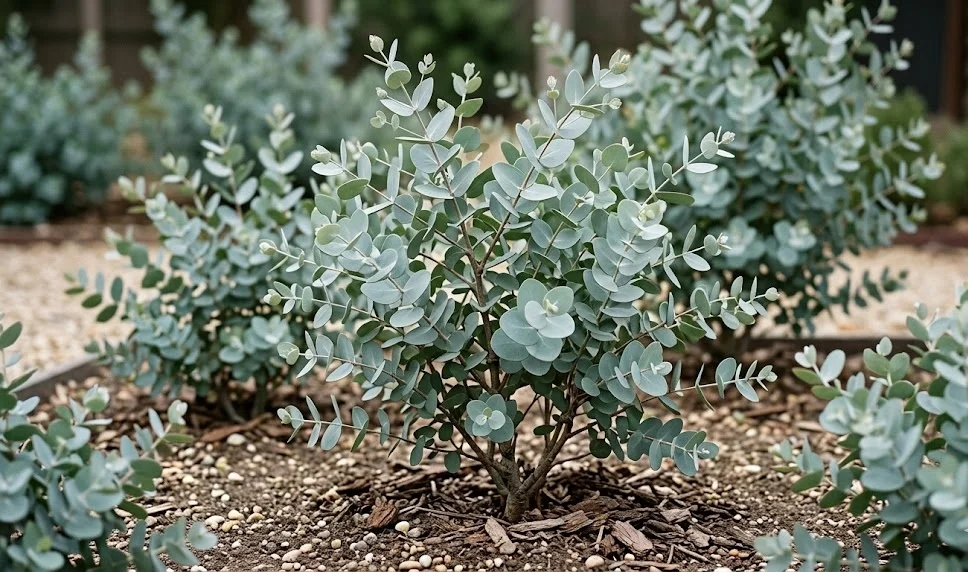

Maintaining the health of a cider gum involves staying vigilant against a variety of biological threats that can compromise its vigor and appearance. While this species is generally robust and less prone to issues than many other ornamental trees, it is not entirely immune to the pressures of pests and diseases. Early detection is often the most critical factor in successfully managing these challenges before they cause significant or lasting damage. By understanding the common signs and symptoms of trouble, you can take proactive steps to protect your valuable garden specimen.
Most issues encountered by cider gum owners are related to either fungal pathogens or specific insect infestations that target the foliage and stems. Environmental stress, such as drought or poor soil drainage, often acts as a precursor that weakens the tree’s natural defenses and makes it more susceptible to attack. A healthy, well-sited tree is much more capable of fending off these threats without the need for intensive chemical intervention. This highlights the importance of proper cultural practices as the first line of defense in any integrated pest management strategy.
When investigating a potential problem, it is important to look closely at the symptoms and consider the timing and weather conditions. Some pests are only active during specific seasons, while certain fungal diseases thrive in the damp, cool conditions of spring or autumn. Taking clear photos or bringing samples to a local expert can help in accurately identifying the culprit and choosing the most effective treatment. Professional gardeners always prioritize accurate diagnosis over “shotgun” treatments that may harm beneficial insects or the tree itself.
Managing pests and diseases doesn’t always require harsh chemicals, as many natural and cultural controls are highly effective. For example, simply improving air circulation through pruning or adjusting your watering habits can often resolve fungal issues without further action. In the following sections, we will explore the most common adversaries of the cider gum and provide professional advice on how to keep your tree healthy and thriving. Developing a keen eye for these details will make you a more confident and successful steward of your garden.
Fungal leaf spots and mildews
One of the most frequent aesthetic issues for cider gum is the appearance of various leaf spots caused by fungal pathogens. these spots can range in color from small purple or brown dots to larger, irregular blotches that can eventually cause the leaf to turn yellow and fall off. while these infections are rarely fatal to a mature tree, they can significantly detract from the beauty of the silvery foliage. High humidity and poor air circulation around the canopy are the primary drivers of these fungal outbreaks, especially during wet seasons.
More articles on this topic
Powdery mildew is another common fungal concern that manifests as a white, dusty coating on the surface of the leaves and young shoots. This fungus thrives in environments where the days are warm and the nights are cool and damp, creating the perfect conditions for its spores to germinate. It can cause new leaves to become distorted or stunted, which can be particularly frustrating if you are growing the tree for its decorative juvenile foliage. Keeping the foliage dry by avoiding overhead watering is one of the best ways to prevent this particular problem from taking hold.
Treating these fungal issues often starts with physical hygiene and improving the local environment around the tree. You should rake up and dispose of any fallen, infected leaves to prevent the fungal spores from overwintering in the soil and re-infecting the tree next year. Pruning out some of the internal branches to increase sunlight and wind penetration will also create a less hospitable environment for fungus. In severe cases, a fungicide specifically labeled for use on ornamental trees can be applied according to the manufacturer’s instructions.
Organic treatments such as sulfur or copper-based sprays can also be effective if used early in the infection cycle. These products work by creating a protective barrier on the leaf surface that prevents spores from taking root. It is important to apply these treatments before the disease becomes widespread for the best results. Always test a small area of foliage first to ensure the tree does not have a negative reaction to the spray, as some eucalyptus varieties can be sensitive to certain chemical formulations.
Common insect pests
The cider gum can attract several types of insect pests, but the eucalyptus psyllid is perhaps the most notorious among them. These tiny, sap-sucking insects secrete a sugary substance called “honeydew” and often create protective white covers known as lerps over themselves. An infestation can cause the leaves to become sticky and may eventually lead to the growth of black sooty mold, which blocks sunlight from reaching the leaf surface. While a few psyllids are rarely a cause for concern, a heavy population can weaken the tree and stunt its growth.
More articles on this topic
Aphids and scale insects are other common sap-suckers that you might encounter on the tender new growth of your cider gum. Aphids are small, soft-bodied insects that cluster on the undersides of leaves and on growing tips, causing them to curl and distort. Scale insects are more inconspicuous, appearing as small, immobile bumps on the stems and branches that look like part of the bark. Both of these pests can deplete the tree’s energy reserves and, like psyllids, produce honeydew that attracts ants and promotes sooty mold growth.
In many cases, nature provides its own solution to these insect problems in the form of predatory insects like ladybugs, lacewings, and parasitic wasps. Encouraging these beneficial bugs by planting a variety of flowering plants nearby is a sustainable and professional way to keep pest populations in check. If an intervention is necessary, a strong blast of water from a garden hose can often dislodge aphids and psyllids without harming the tree. This simple mechanical control is often all that is needed for minor infestations on smaller specimens.
For more persistent insect problems, horticultural oils or insecticidal soaps can be used to coat and suffocate the pests. These products are generally safe for the environment and for the person applying them, but they must make direct contact with the insects to be effective. It is best to apply these treatments in the evening or on a cloudy day to avoid the risk of foliage burn under direct sunlight. Repeat applications may be necessary to target new generations of insects as they hatch throughout the growing season.
Root rot and soil borne issues
The health of the root system is vital, but unfortunately, it is also where some of the most serious diseases can develop undetected. Phytophthora root rot is a devastating fungal-like disease that thrives in waterlogged, poorly drained soils where oxygen levels are low. Symptoms often appear first in the canopy, with leaves wilting, yellowing, or turning brown even when the soil seems moist. By the time these signs are visible above ground, the root system may already be severely compromised, making treatment very difficult.
Preventing root rot is far easier than trying to cure it, which brings us back to the importance of proper site selection and soil preparation. Ensuring that your cider gum is planted in a location with excellent drainage is the single best thing you can do to avoid this problem. If you have heavy clay soil, you might consider planting on a mound or installing a drainage system to move excess water away from the tree’s base. Never allow a tree to sit in standing water, especially during the warmer months when pathogens are most active.
Armillaria, or honey fungus, is another soil-borne threat that can affect a wide range of trees, including the cider gum. This fungus spreads through the soil via root-like structures called rhizomorphs and attacks the bark and wood at the base of the tree. You might notice honey-colored mushrooms appearing at the base of the tree in autumn, or a white, fan-like fungal growth under the bark near the soil line. Trees affected by honey fungus will often show a gradual decline in vigor over several years before eventually succumbing to the infection.
Unfortunately, there are no effective chemical treatments for honey fungus once a tree is infected. The best strategy is to maintain the overall health and vigor of your tree so it can better withstand the pressure of the fungus. If a tree dies from this disease, it is important to remove the entire stump and as many of the roots as possible to prevent the fungus from spreading to neighboring plants. Choosing resistant species for future plantings in that area is a professional way to manage a site that is known to harbor this persistent pathogen.
Environmental and physiological disorders
Not all “sick” appearances in a cider gum are caused by pests or diseases; some are actually physiological reactions to environmental stress. Oedema, for example, is a condition where the tree takes up more water than it can transpire, leading to small, corky bumps forming on the undersides of the leaves. This is often caused by a combination of overwatering and high humidity, and while it looks like a disease, it is purely environmental. Adjusting your watering habits and improving air circulation will usually resolve the issue as new, healthy leaves grow in.
Sunscald or windburn can also cause damage that might be mistaken for a disease, particularly on young or recently transplanted trees. New, tender growth is especially susceptible to being “scorched” by intense summer sun or dried out by cold, desiccating winter winds. This damage typically appears as brown or bleached patches on the leaves, often on the side of the tree most exposed to the elements. Providing temporary shade or windbreaks during the first few seasons can help the tree acclimate to its environment without suffering this type of physical stress.
Nutrient imbalances can also manifest as symptoms that look like disease, such as the yellowing of leaves or the death of growing tips. As mentioned in previous sections, a lack of iron can lead to interveinal chlorosis, where the leaves turn yellow while the veins stay green. This is often a sign that the soil pH is too high, making the iron already present in the soil unavailable to the tree. Understanding the chemistry of your soil allows you to fix the underlying problem rather than simply treating the symptoms with unnecessary sprays.
Frost damage is another seasonal concern that can affect the tips of the branches, causing them to turn black and shrivel. While cider gum is quite cold-hardy, a sudden hard frost after a period of warm weather can catch the tree off guard. If this happens, it is best to wait until the spring to prune out the dead material once you are sure no more frosts are coming. This patience allows you to see exactly where the new growth is emerging and ensures you don’t remove wood that might still be alive and capable of recovery.
Long term health monitoring
Becoming a successful gardener means developing a “sixth sense” for the health of your plants through regular and thoughtful observation. Taking a walk around your garden once a week to look closely at your cider gum can help you catch problems while they are still small. Look at the color of the leaves, the texture of the bark, and the vigor of the new shoots to get an overall sense of the tree’s well-being. This habit of consistent monitoring is what differentiates a professional approach from a reactive one.
Keep a mental or written note of when certain pests or issues tend to appear in your specific garden environment. For example, if you know that psyllids always arrive in early summer, you can be ready to knock them back with a water spray before they multiply. Understanding the patterns of your local ecosystem makes pest and disease management much more predictable and less stressful. Over time, you will learn exactly what is “normal” for your tree and what requires a bit of extra attention or intervention.
Proper sanitation remains one of the most effective and often overlooked tools in the fight against garden diseases. Always clean and sterilize your pruning tools after each use, especially if you have been working on a tree that you suspect might be sick. This simple step prevents you from accidentally carrying pathogens from one plant to another on your shears or saws. Using a solution of diluted bleach or specialized garden disinfectant is a quick and professional way to keep your tools safe for the next job.
Finally, remember that a few minor spots on the leaves or a handful of insects do not necessarily constitute a crisis. A large, healthy tree can easily tolerate a certain amount of “background noise” from the natural world without its health being truly threatened. The goal of management is not to create a sterile, perfect environment, but to maintain a balance where the tree remains vigorous and beautiful. By focusing on the basics of good care, you provide your cider gum with everything it needs to defend itself and flourish.