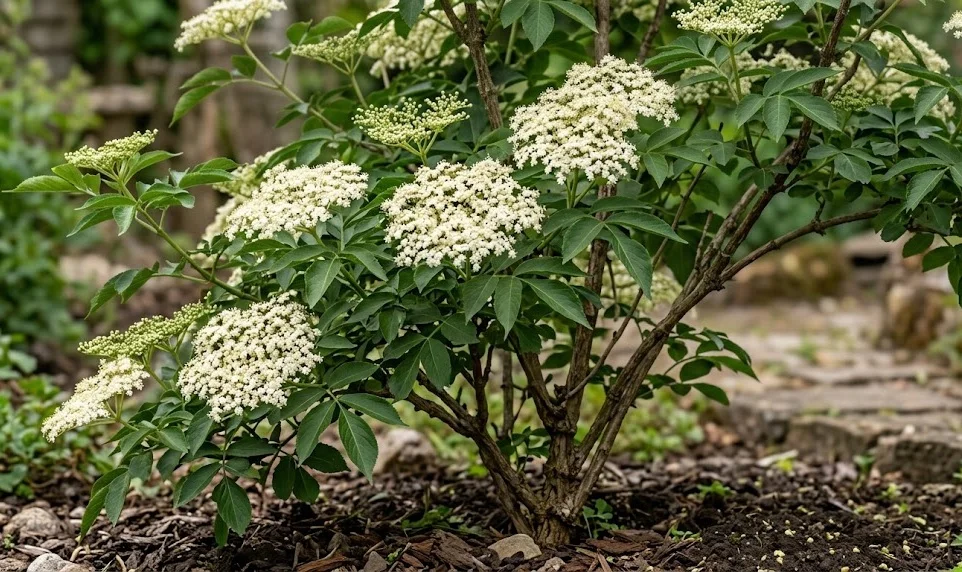

Finding the perfect balance of light is one of the most important decisions you will make when placing your black elderberry in the garden or orchard. These shrubs are incredibly versatile and can adapt to a range of lighting conditions, but they have a clear preference for the energy that only the sun can provide. You should aim for a location that receives at least six to eight hours of direct sunlight each day to ensure the most robust growth and the heaviest yields. A well-lit plant is not only more productive but also much more resistant to common fungal diseases that thrive in dark and damp corners.
Sunlight provides the essential energy that the black elderberry uses to produce its beautiful white flowers and the subsequent clusters of nutrient-rich black fruit. If the plant is placed in too much shade, you will notice that it becomes “leggy” as it reaches for the light, with longer stems and much thinner foliage than a sun-grown specimen. The quality of the berries also suffers in low light, as the plant cannot produce the same high levels of sugars and beneficial antioxidants that make the elderberry so valuable. Providing ample light is the simplest way to guarantee a high-quality harvest for your kitchen and medicinal use.
In regions with extremely hot summers, a bit of light shade during the most intense part of the afternoon can actually be beneficial for the elderberry’s overall health. This prevents the leaves from becoming scorched and helps the plant maintain its moisture levels during the peak of a heatwave. You might consider planting your elderberries on the edge of a woodland or near a tall structure that provides some protection from the harsh western sun. This “dappled” light environment mimics the natural habitat where these shrubs originally evolved and can lead to a very happy and stress-free plant.
Monitoring the light patterns in your garden throughout the different seasons is a mark of a professional gardener who truly understands the needs of their plants. A spot that is in full sun during the height of the summer may be in deep shadow during the spring and fall when the sun is lower in the sky. Observing these changes will help you choose the best permanent location for your elderberry and anticipate when it might need extra care or water. Your attention to the play of light and shadow across your landscape is a vital part of creating a thriving and productive agricultural system.
Optimal sun exposure and fruit quality
When a black elderberry receives its optimal amount of sunlight, it develops a dense and bushy form that is both beautiful and highly functional for fruit production. The inner parts of the plant remain healthy and productive because the light is able to penetrate deeper into the canopy, supporting a larger overall number of fruiting branches. You will see more flower clusters per square meter of foliage, which directly translates into a much more bountiful harvest for you to enjoy. Sun-drenched elderberries are the gold standard for anyone who takes their gardening and berry production seriously.
More articles on this topic
The concentration of beneficial compounds in the berries, such as anthocyanins and vitamins, is directly linked to the amount of light the plant receives during the ripening process. Sunlight triggers the chemical pathways that produce these pigments and nutrients, making the fruit not only darker but also much more health-promoting for those who consume it. If you are growing elderberries for their medicinal properties, maximizing their sun exposure is the most important factor you can control in your garden. A sun-ripened berry is a powerhouse of nutrition that far exceeds the quality of fruit grown in the shadows.
Managing the light within the plant’s own canopy is also necessary to ensure that every cluster of berries reaches its full potential for ripeness and flavor. This is achieved through strategic pruning that opens up the center of the bush and allows the sun to reach the interior branches that would otherwise be shaded out. By creating a “cup-shaped” structure, you ensure that the sun’s energy is used as efficiently as possible by the entire plant throughout the day. Professional growers know that light management is just as important as soil management when it comes to producing world-class fruit.
Reflective surfaces near your elderberries, such as light-colored walls or fences, can help increase the amount of light the plants receive in smaller or more shadowed gardens. These surfaces bounce the sun’s rays back into the foliage, providing an extra boost of energy that can make a big difference in marginal lighting conditions. This “borrowed” light can help extend the growing season and improve the ripening of the fruit even in locations that might otherwise be considered a bit too shady. Using the physical features of your landscape to your advantage is a smart way to optimize the growth of your beautiful black elderberry shrubs.
Partial shade tolerance and adaptation
While full sun is the ideal, the black elderberry is remarkably tolerant of partial shade and can still produce a respectable crop in less-than-perfect lighting. In a partially shaded location, the plant will grow a bit more slowly and may have a more open and airy habit than its sun-loving counterparts. This adaptation allows the elderberry to survive in the understory of larger trees and along the edges of dense forests where many other fruit-bearing plants would fail to thrive. If you have a garden with limited sun, the elderberry is one of the best choices for a productive and attractive woody perennial.
More articles on this topic
When growing in partial shade, it is even more important to pay attention to airflow and moisture management to prevent the buildup of fungal diseases on the leaves. Shady spots tend to stay damp for longer after a rain, which can provide the perfect environment for powdery mildew and various leaf spots to take hold and spread. You should ensure that your plants are well-spaced and that you keep the surrounding vegetation trimmed back to allow what little breeze there is to move through the canopy. A healthy, shaded elderberry is a testament to the gardener’s skill in managing a more challenging microclimate.
The timing of the light in a partially shaded garden can also influence how the elderberry responds and grows over the course of the season. A plant that receives direct morning sun but is shaded in the afternoon will often stay cooler and more hydrated than one that faces the intense heat of the late-day sun. Many gardeners find that this “morning sun” environment is the perfect compromise for growing high-quality elderberries in hotter climate zones. Observing your plant’s specific reaction to its light schedule will tell you everything you need to know about its health and happiness in your garden.
Finally, keep in mind that different varieties of black elderberry may have slightly different levels of shade tolerance based on their genetic background and origin. Some cultivars have been selected specifically for their ability to remain productive in lower light, while others are true sun-worshippers that will struggle without a full day of direct exposure. When selecting a variety for a shadier spot, look for descriptions that mention “shade tolerance” or “adaptability” to ensure you are choosing the right plant for your specific site. The black elderberry’s ability to adapt is one of its greatest strengths, making it a valuable addition to almost any garden design.
Effects of light on berry production
Light is the primary signal that tells the elderberry when to begin the transition from vegetative growth to the production of its magnificent floral displays. The length of the day and the intensity of the light are both critical factors that influence the timing and abundance of the blossoms in the late spring. A plant in a sunnier location will usually bloom earlier and more profusely than one in a shaded spot, leading to a longer and more successful fruiting season. Your choice of planting site is the most important factor in determining the overall yield of your elderberry plantation.
As the flowers transition into berries, the light continues to play a vital role in the development of the fruit’s size, weight, and overall nutrient density. Each berry cluster needs a certain amount of energy to fully mature, and if the plant is light-starved, it may drop some of its fruit prematurely to conserve its limited resources. Providing ample sun ensures that the elderberry has a surplus of energy, allowing it to support a massive load of heavy, juice-filled berry clusters without stress. The visual evidence of a sun-rich diet is a plant that is literally bending under the weight of its own magnificent and healthy harvest.
In years with particularly cloudy or rainy summers, you may notice that the berries take longer to ripen and do not reach the same levels of sweetness as they do in sunnier years. While you cannot control the weather, you can maximize the available light by keeping the area around your shrubs free from tall weeds and competing vegetation that might add even more shade. Every bit of light you can capture and direct toward the foliage will help the plant overcome the challenges of a less-than-ideal growing season. A proactive gardener is always looking for ways to tip the balance in favor of their plants and their future harvest.
Recording the relationship between the light conditions of each season and the quality of your harvest will provide you with a deep and expert understanding of your elderberries. You will begin to see patterns in how the sun affects the flavor, the timing of the ripeness, and even the resistance of the plants to various pests and diseases. This knowledge is what separates a master grower from a casual observer, allowing you to make informed decisions that will improve your garden for years to come. The black elderberry is a plant that truly thrives in the light, and your job is simply to provide the best possible stage for its spectacular and productive performance.