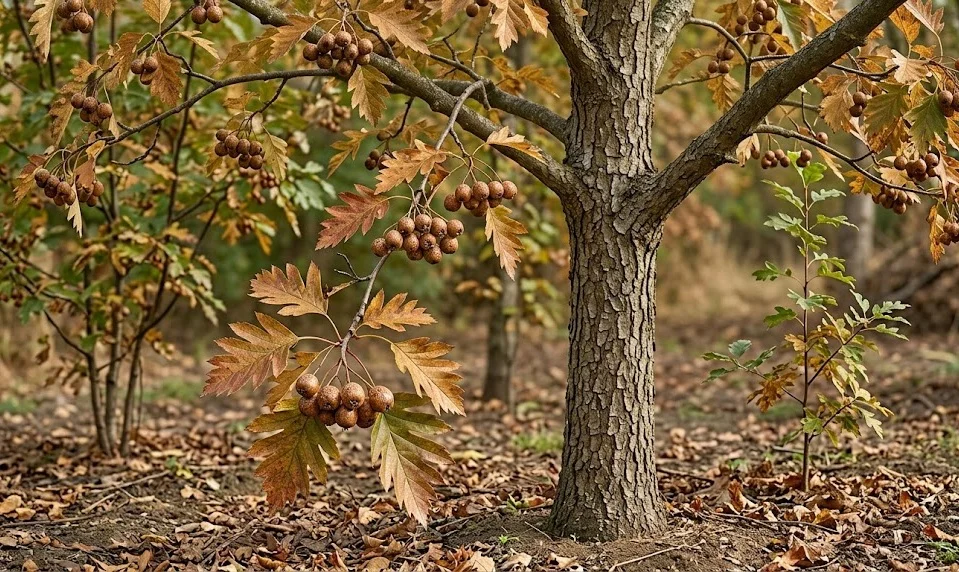

Establishing a wild service tree requires a strategic approach that begins long before the first shovel hits the ground. This species is relatively slow-growing, meaning that any mistakes made during the planting phase can have consequences that last for decades. Professionals prioritize site preparation and the selection of high-quality saplings to ensure the highest survival rates. Whether you are planting a single specimen or a small grove, understanding the biological requirements of the root system is the foundation of success.
Site preparation and seedling selection
Before introducing a new tree to the landscape, the soil must be evaluated for its texture, drainage, and nutrient profile. The wild service tree prefers heavy, clay-based soils that are rich in minerals but still allow for adequate air movement. If the site consists of light, sandy soil, it may be necessary to incorporate organic matter to improve water retention and stability. Removing competing vegetation within a one-meter radius of the planting hole is essential to reduce early competition for resources.
Selecting the right specimen from a nursery is just as important as the planting location itself. Look for saplings with a well-developed root system that is not pot-bound or circling the container. The trunk should be sturdy and free from any physical damage or signs of pest infestation on the bark. A healthy sapling will have dormant buds that appear plump and vibrant, indicating a high level of stored energy for the coming spring.
The timing of the planting process is a critical factor that often determines the survival of the tree during its first year. Late autumn or early spring are the ideal windows, as the tree is dormant and the soil is generally moist. Planting during these periods allows the roots to settle and begin growing before the heat of summer puts high demands on the foliage. Avoid planting during periods of hard frost or extreme drought, as these conditions place unnecessary stress on the young plant.
Digging the planting hole requires a bit more effort than most people anticipate for a small sapling. The hole should be at least twice as wide as the root ball but no deeper than the current soil level of the container. Loosening the soil on the sides of the hole helps the new roots penetrate the surrounding earth more easily. This practice prevents the “flowerpot effect,” where roots stay confined to the loose soil of the hole instead of spreading out into the native ground.
More articles on this topic
Propagation from seeds and stratification
Propagating this species from seed is a rewarding but slow process that requires a significant amount of patience and precision. The seeds are contained within the fruit and must be extracted and cleaned thoroughly before any treatment begins. Because the seeds have a natural dormancy period, they will not germinate immediately after being sown without specific intervention. Understanding the biological triggers for germination is the key to successfully raising new trees from local stock.
Cold stratification is the most common method used to break the seed’s dormancy and mimic a natural winter. The cleaned seeds should be placed in a moist medium, such as a mix of sand and peat, and kept at low temperatures for several months. This process signals to the embryo that winter has passed and it is safe to begin the growth cycle. Monitoring the moisture levels during this period is vital, as the seeds must not be allowed to dry out or become waterlogged.
Sowing the stratified seeds should take place in early spring using a well-draining seed compost. Each seed should be planted at a depth roughly equal to its size to ensure it has enough energy to reach the surface. Using individual pots or deep seed trays helps prevent root disturbance when it comes time to transplant the young seedlings. Providing a consistent but moderate amount of warmth and light will encourage steady growth during the first few weeks of life.
Young seedlings are extremely vulnerable to “damping off” and other fungal issues if the environment is too humid or crowded. Thinning out the weaker plants allows the strongest individuals to receive the maximum amount of light and nutrients. As the seedlings grow, they will need to be gradually hardened off to outdoor conditions before they can be permanently planted. This careful transition ensures that the young trees are robust enough to handle the fluctuations of the natural environment.
More articles on this topic
Advanced propagation through grafting
For those who wish to replicate specific characteristics of a parent tree, grafting is a highly effective professional technique. This method involves joining a scion from the desired tree onto a hardy rootstock, usually of the same or a closely related species. Grafting allows for the preservation of superior fruit quality or specific growth habits that might not be guaranteed through seed propagation. It requires a steady hand and a deep understanding of the tree’s vascular system to ensure a successful union.
The timing for grafting is typically in late winter or early spring, just as the sap begins to rise but before the buds have fully opened. Whip and tongue grafts are commonly used for this species because they provide a large surface area for the cambium layers to connect. It is essential that the scion and rootstock are of similar diameter to ensure a tight and functional fit. Protecting the graft site with specialized wax or tape prevents desiccation and infection during the healing process.
Post-grafting care is intensive and requires daily monitoring to ensure the scion is receiving adequate moisture and nutrients. If the graft is successful, the buds on the scion will begin to swell and eventually push out new leaves. Any growth emerging from the rootstock below the graft union must be removed immediately to prevent it from outcompeting the scion. This ensures that all the energy of the root system is directed toward the desired variety.
While grafting is more complex than sowing seeds, it offers a way to produce mature-looking trees more quickly. This technique is often used in commercial nurseries or by enthusiasts who want to maintain rare varieties of the wild service tree. Successfully mastering this skill allows a gardener to take full control over the genetic makeup of their woodland or orchard. It represents a higher level of horticultural expertise and a commitment to preserving specific tree lineages.
Early care and establishment phase
Once the tree is in the ground, the first three years are the most critical for its long-term survival and health. Supplemental watering is often necessary during dry spells, even if the species is generally considered drought-tolerant once mature. The goal is to keep the soil consistently moist but never saturated, allowing the roots to expand into the surrounding landscape. Deep watering encourages the roots to grow downward, providing better stability and access to deep-seated water reserves.
Staking may be required for taller saplings or in areas with high wind exposure to prevent the root ball from rocking. However, the stake should be installed in a way that allows the trunk to move slightly, which stimulates the growth of reaction wood and a stronger base. Tying the tree too tightly can lead to structural weakness and damage to the bark as the trunk expands. Most stakes can be removed after the second growing season once the roots have firmly anchored the tree.
Mulching around the base of the young tree provides multiple benefits during the establishment phase. A thick layer of wood chips or bark helps suppress weeds, retain moisture, and regulate soil temperature throughout the year. It is important to leave a small gap between the mulch and the trunk to prevent moisture-related rot and pest nesting. As the mulch decomposes, it gradually improves the soil structure and adds vital nutrients to the root zone.
Monitoring for pests and diseases is especially important when the tree is young and has limited energy reserves. Early detection of issues like aphids or leaf spots can prevent minor problems from becoming major setbacks. Using organic or mechanical controls whenever possible helps maintain a healthy ecosystem around the developing tree. With proper care and attention during these early years, the wild service tree will grow into a resilient and majestic feature of the professional garden.