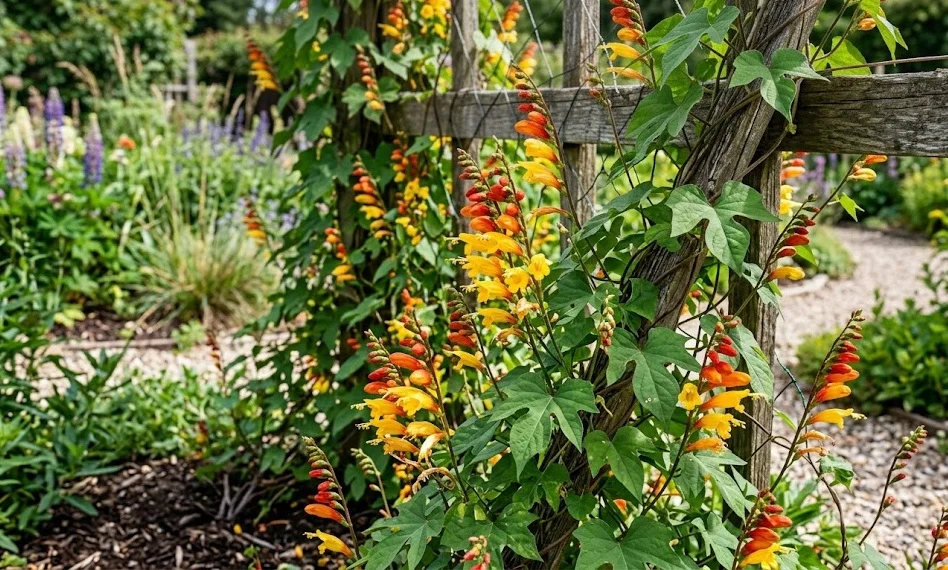

Maintaining the health of the Mexican morning glory involves a proactive approach to identifying and managing potential threats. While this vine is generally robust, it can fall victim to various pests and diseases if the growing conditions are not optimal. A stressed plant is much more attractive to insects and more susceptible to fungal or bacterial infections. By understanding the common enemies of this species, you can take steps to protect your garden display before damage occurs.
One of the most frequent challenges faced by growers of this climber is the arrival of common garden aphids. These small, soft-bodied insects cluster on the tender new growth and the undersides of leaves to suck out the sap. An aphid infestation can cause the leaves to curl, turn yellow, and become stunted in their development. If left unchecked, they can also secrete a sticky substance called honeydew, which often leads to the growth of black sooty mold.
Spider mites are another significant pest that thrives in the hot, dry conditions of mid-summer that this vine loves. These tiny arachnids are often too small to see with the naked eye, but their presence is revealed by fine webbing and stippling on the leaves. As they feed, the leaves lose their vibrant green color and eventually turn a dull bronze or gray before falling off. Increasing the humidity around the plant or using a strong spray of water can help to dislodge these pests.
Whiteflies can also become a nuisance, particularly in sheltered garden spots or in greenhouse environments where air circulation is limited. When the plant is disturbed, these tiny white insects will fly up in a cloud, making them very easy to identify. Like aphids, they feed on the plant’s juices and can weaken the vine over time if the population is allowed to grow. Using yellow sticky traps is a common professional method for monitoring and reducing whitefly numbers in the garden.
Fungal infections and moisture management
Powdery mildew is perhaps the most common fungal issue that affects the Mexican morning glory, especially in late summer. This disease appears as a white, flour-like coating on the leaves and stems, which can eventually cover the entire plant. It typically develops when the days are warm and the nights are cool and damp, creating the perfect environment for spores. While it is rarely fatal, it is unsightly and can reduce the overall vigor and flowering of the vine.
More articles on this topic
To prevent powdery mildew, it is essential to ensure that the plant has plenty of space for air to circulate through the foliage. Avoid overhead watering, which leaves moisture on the leaves for long periods, providing a landing spot for fungal spores. If an infection does occur, there are several organic fungicides and home remedies, such as milk or baking soda sprays, that can be effective. Pruning out the most heavily infected leaves can also help to slow the spread of the disease.
Root rot is a much more serious condition that is almost always caused by poorly draining soil or excessive watering by the gardener. The fungi responsible for root rot thrive in anaerobic conditions where the roots are starved of oxygen and begin to decay. Signs of this problem include sudden wilting of the whole plant, yellowing leaves, and a foul smell coming from the soil. Once root rot is advanced, it is very difficult to save the plant, making prevention through good soil structure vital.
Leaf spot diseases can also occur, appearing as small brown or black spots with a yellow halo on the foliage. These spots can merge over time, causing large sections of the leaf to die and fall off the vine. This is usually caused by water-borne pathogens that are splashed onto the leaves during heavy rain or improper irrigation. Keeping the garden area clean and removing fallen leaves can help to reduce the amount of pathogen material present in the environment.
Viral threats and systemic issues
Viruses can occasionally affect the Mexican morning glory, often being introduced by sap-sucking insects like aphids or through contaminated tools. Mosaic virus is one example, causing the leaves to develop a mottled, yellow and green pattern that looks like a mosaic. There is no cure for viral infections in plants, and the only solution is to remove and destroy the infected specimen. This prevents the virus from spreading to other healthy plants in your garden or the surrounding area.
More articles on this topic
Preventing the spread of viruses is one reason why controlling insect pests is so important for the long-term health of the garden. It is also why professional gardeners are meticulous about cleaning their pruning shears and other tools between uses. A quick dip in a disinfectant solution can kill any pathogens that might be hiding on the surface of your equipment. This simple habit is one of the most effective ways to maintain a clean and disease-free horticultural environment.
Nutrient deficiencies are sometimes mistaken for diseases because they can also cause discoloration and distorted growth in the leaves. For example, a lack of magnesium can cause yellowing between the leaf veins, which can look similar to some viral patterns. Before jumping to a diagnosis of disease, it is always wise to check your fertilizing routine and the pH of your soil. Ensuring that the plant has all the raw materials it needs will often solve many “mysterious” growth problems.
Environmental stress, such as sudden temperature changes or chemical drift from nearby herbicides, can also mimic disease symptoms. If your plant suddenly looks sickly, consider any recent changes in the weather or activities in the neighboring yards. Understanding the context of the plant’s environment is a key part of the diagnostic process for any expert gardener. A healthy, well-fed plant is always the best defense against any potential threat, whether it is biological or environmental.
Integrated pest management strategies
Integrated Pest Management, or IPM, is a professional approach that combines multiple techniques to control pests with minimal environmental impact. The first step in any IPM program is regular monitoring to catch problems while they are still small and manageable. By spending a few minutes each day inspecting your vines, you can often solve an issue by simply hand-picking a few insects. This prevents the need for more aggressive treatments later in the growing season.
Encouraging natural predators is a cornerstone of a healthy and balanced garden ecosystem for any specialist. Beneficial insects like ladybugs, lacewings, and parasitic wasps are the natural enemies of many common pests like aphids and mites. You can attract these “garden heroes” by planting a variety of flowers that provide them with nectar and pollen. Avoiding the use of broad-spectrum pesticides is also crucial, as these chemicals kill the good bugs along with the bad ones.
Physical barriers and mechanical controls can also play a significant role in protecting your Mexican morning glory from harm. For example, using a strong jet of water from a hose can knock many pests off the plant without the need for any chemicals. Row covers can protect young seedlings from early season pests until they are large enough to withstand a bit of feeding. Copper tape or diatomaceous earth around the base of the plant can also deter crawling pests like slugs and snails.
When biological and physical methods are not enough, organic pesticides such as neem oil or insecticidal soap can be used as a targeted treatment. These products are generally safe for the environment and for the gardener when used according to the label instructions. They work by smothering the insects or disrupting their feeding and reproductive cycles rather than poisoning them. Always apply these treatments in the late evening to avoid harming bees and other active pollinators.
Maintaining a healthy garden environment
The overall cleanliness of your garden space is a major factor in how easily diseases and pests can take hold of your plants. Removing weeds that can host pathogens or provide a bridge for insects is a simple but effective preventive measure. Clearing away fallen leaves and dead plant material at the end of the season prevents many pests and fungi from overwintering in the soil. A tidy garden is not just about aesthetics; it is a fundamental part of professional plant health management.
Crop rotation, or changing the location of your annual plants each year, can also help to break the life cycles of soil-borne pests. If you have had a major disease issue in one spot, it is wise not to plant the same species there for at least a couple of seasons. This allows the pathogen population in the soil to naturally decline without a host to feed on. While this is easier in large gardens, even moving containers to a new spot can make a significant difference.
Providing the plant with its ideal growing conditions—plenty of sun, well-draining soil, and consistent moisture—is the best way to prevent problems. A vigorous, thriving vine has natural chemical defenses that make it much less attractive to many pests and diseases. Stress is the primary trigger that makes a plant vulnerable, so your main goal should always be to keep the plant as happy as possible. Expert care is proactive, focusing on health rather than just reacting to symptoms.
Finally, don’t be afraid to ask for help or consult with local agricultural experts if you encounter a problem you can’t identify. Many regions have university extensions or master gardener programs that can provide accurate diagnoses and advice for your specific area. Taking a clear photo or a sample of the affected foliage can help them give you the best possible guidance. Learning from each challenge will eventually make you a more confident and successful grower of this beautiful climber.