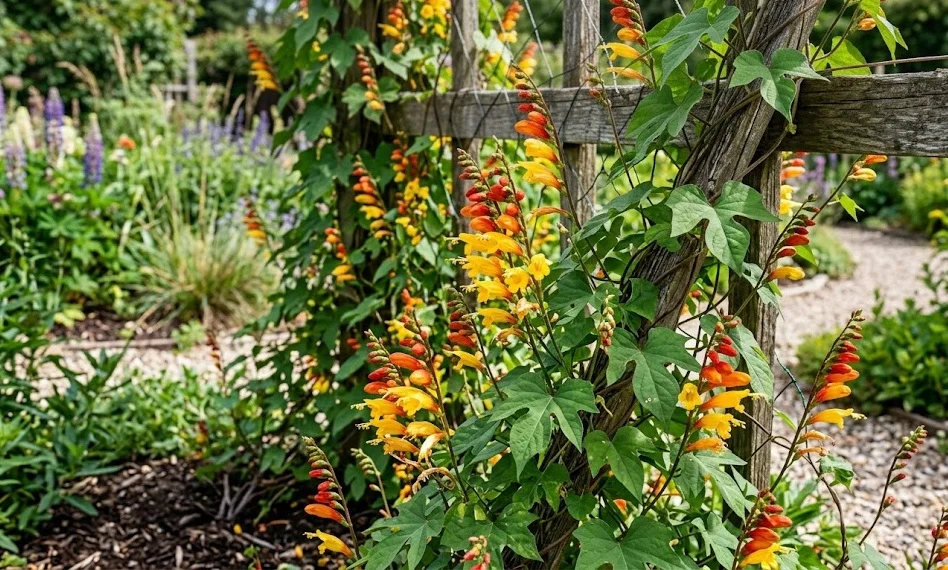

The Mexican morning glory is a sun-loving species that relies on intense light to fuel its rapid growth and spectacular floral display. In its native tropical and subtropical habitats, it is accustomed to long days of bright, direct sunlight. When grown in temperate gardens, providing the correct amount of light is perhaps the single most important factor for success. Without sufficient energy from the sun, the vine will become weak, sparse, and may fail to produce its iconic flowers.
For the best results, this climber should be positioned in a location that receives at least six to eight hours of direct sunlight every day. This high level of light exposure is necessary to trigger the complex biological processes required for blooming. Plants grown in shaded areas will often produce lush, green foliage, but the flower spikes will be few and far between. Sunlight also helps to keep the leaves dry, which is a natural defense against many common fungal diseases.
The quality of light can change throughout the day, and for this vine, the morning sun is particularly beneficial. Morning sunlight provides the energy needed for the plant to start its daily growth cycle without the intense heat of the late afternoon. This helps to reduce the overall stress on the plant and keeps the foliage looking fresh and vibrant. If you have to choose between morning and afternoon sun, a south or southeast-facing exposure is usually the ideal choice.
In regions with extremely high summer temperatures, a bit of light afternoon shade can sometimes be helpful to prevent wilting. While the plant loves the sun, the combination of intense light and scorching heat can occasionally lead to moisture loss that outpaces the roots’ ability to supply it. Providing a small amount of protection during the hottest two hours of the day can help the plant maintain its vigor. However, this should never be at the expense of the overall daily light requirement.
Impact of light on growth and flowering
The intensity and duration of light directly influence the physical structure and habit of the vine as it grows. In full sun, the internodes—the space between the leaves—remain short, resulting in a dense and compact appearance. This makes for a much more attractive screen or trellis covering than a plant that is stretched and leggy. Strong light also promotes thicker, stronger stems that are better able to support the heavy mass of the plant.
More articles on this topic
Photoperiodism, or the plant’s response to the length of day and night, also plays a role in the timing of the blooms. As the days begin to shorten in late summer, the Mexican morning glory often responds with its most intense period of flowering. This is a common trait among many tropical vines that use day length as a signal to start their reproductive phase. Ensuring the plant is not exposed to artificial night-time lighting, like street lamps, can help keep this natural cycle on track.
If you are growing this plant indoors or starting seeds early, the use of supplemental lighting is almost always a necessity. Standard household light bulbs do not provide the full spectrum of energy that plants need for photosynthesis. Professional-grade grow lights that mimic the natural spectrum of the sun are much more effective for producing healthy seedlings. Keeping these lights close to the plants for fourteen to sixteen hours a day will ensure they stay sturdy and ready for the garden.
Reflected light can also be a valuable resource for gardeners with limited space or less-than-ideal exposures. Planting near a white wall or using reflective mulch can help bounce extra sunlight onto the foliage from different angles. This can significantly increase the total amount of energy the plant receives, even in a spot that might otherwise be too shaded. It is a clever horticultural trick used by many experts to maximize the potential of a specific garden site.
Identifying and correcting light-related issues
It is relatively easy to tell if your Mexican morning glory is not getting enough light by observing its growth habits. The most common sign is “etiolation,” where the stems become very long, thin, and pale as the plant stretches toward the nearest light source. You may also notice that the leaves are smaller than usual and that the overall color of the vine is a duller green. If these signs appear, it is a clear signal that the plant needs to be moved to a brighter location.
More articles on this topic
Conversely, it is also possible for a plant to receive too much light too suddenly, especially if it was moved from a shaded spot. This can lead to “sunscald,” which appears as bleached or crispy brown patches on the leaves where the tissue has been damaged. This is why the process of hardening off is so important for young plants or those that have been overwintered indoors. Gradually increasing light exposure allows the plant to build up its natural protective pigments and adapt to the intensity.
In a crowded garden, neighboring plants can sometimes grow over and shade out your vines, stealing their much-needed energy. Regular maintenance and pruning of surrounding vegetation are important to keep the light path clear for your sun-loving climbers. Think of your garden as a dynamic system where you are the manager of the available light resources. Ensuring every plant has its “fair share” of the sun is a key part of maintaining a professional landscape.
Finally, remember that light requirements can interact with other factors like watering and fertilizing to affect plant health. A plant in full sun will use much more water and nutrients than one in a shaded spot, so your care routine must adjust accordingly. By paying close attention to how your Mexican morning glory responds to its environment, you can fine-tune its placement and care. With the right amount of light, this spectacular vine will reach its full potential and become the star of your summer garden.