
The Mexican morning glory is a stunning ornamental vine that brings a touch of exotic elegance to any vertical garden space. This plant is primarily known for its unique flower spikes that transition through a spectrum of colors as they mature. Gardeners value this climber not only for its visual appeal but also for its rapid growth during the warm season. Managing this plant effectively requires a deep understanding of its biological needs and seasonal cycles.
To achieve the best results, it is essential to consider the origin of this vibrant climber. Native to warmer climates, it thrives in environments that mimic its natural habitat with plenty of warmth and humidity. Providing the right foundation from the very beginning ensures that the vine develops a strong root system. This foundation is the key to supporting the heavy mass of foliage and flowers produced later in the year.
The placement of the vine in the garden layout significantly impacts its overall health and longevity. It should be positioned where it can enjoy long hours of daylight without being battered by strong, cold winds. Wind protection is crucial because the delicate stems and large leaf surfaces can easily become damaged or dehydrated. A sheltered spot near a wall or a sturdy fence usually provides the most stable microclimate for growth.
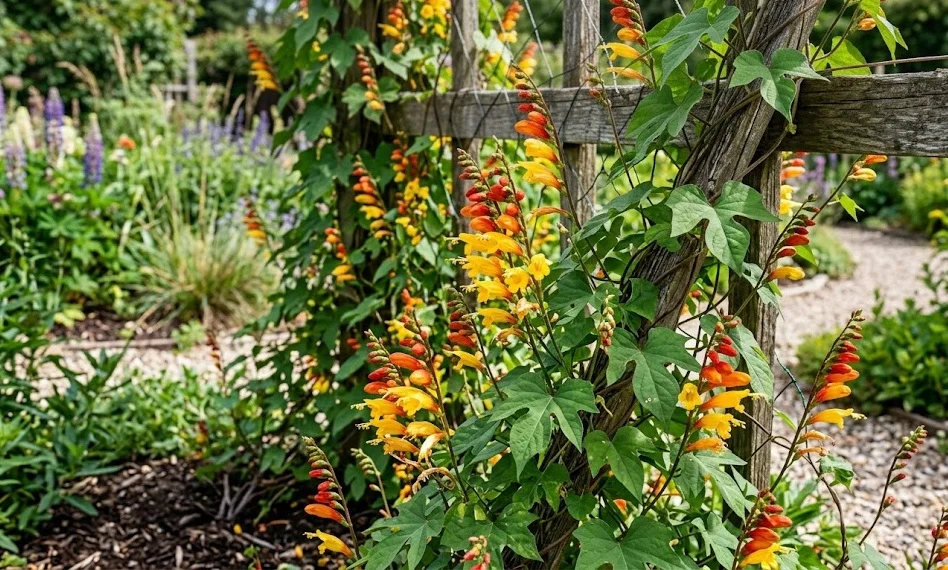
Vertical support is not just a recommendation but a necessity for this vigorous climbing species. As the vine grows, it utilizes its twining stems to reach upward toward the sunlight. Without a proper trellis or netting, the plant will sprawl across the ground, which increases the risk of fungal infections. High-quality support structures allow for better air circulation and make the dramatic floral display much more visible.
Soil and foundation requirements
The quality of the soil serves as the primary engine for the rapid development of this ornamental vine. It prefers a medium that is rich in organic matter and offers excellent drainage properties to prevent root rot. A loamy texture is ideal as it retains enough moisture while allowing excess water to escape freely. Regularly amending the soil with compost can provide a steady stream of nutrients throughout the growing period.
More articles on this topic
Soil acidity plays a subtle but important role in how the plant absorbs essential minerals from the earth. A slightly acidic to neutral pH level is generally considered optimal for maintaining vibrant foliage color. If the soil is too alkaline, the plant may exhibit signs of chlorosis, where the leaves turn yellow between the veins. Professional growers often test their soil before the season begins to make necessary adjustments with sulfur or lime.
Compaction is a common enemy of healthy root development in garden beds and large containers. Heavy, clay-rich soils should be loosened with sand or perlite to improve the internal structure and aeration. This ensures that the roots have easy access to oxygen, which is vital for cellular respiration and energy production. A well-aerated soil also helps the plant recover more quickly from periods of environmental stress.
Mulching around the base of the plant is a highly effective strategy for maintaining soil health during the summer. A thick layer of organic mulch helps to suppress weed competition that could steal nutrients from the vine. It also acts as an insulating barrier that keeps the root zone cool during the hottest parts of the day. As the mulch decomposes over time, it further enriches the soil with valuable humus and beneficial microorganisms.
Growth patterns and vertical training
The growth habit of this plant is characterized by its incredible speed and its ability to cover large areas quickly. During the peak of summer, it is not uncommon for the vine to put on several inches of new growth in a single day. This rapid expansion requires the gardener to be proactive in guiding the stems to the desired locations. Early intervention prevents the vine from tangling with neighboring plants or structural obstacles.
More articles on this topic
Training the young shoots involves gently wrapping them around the support structure in their natural climbing direction. Most climbers have a preferred orientation, and following this helps the plant attach itself more securely without stress. Using soft garden ties can help hold the main stems in place until they develop enough strength to support their own weight. This practice ensures a more organized and aesthetically pleasing display on the trellis.
Maintaining a balance between leaf production and floral development is a key part of long-term care. While lush green foliage is attractive, the primary goal for most enthusiasts is the spectacular bloom cycle. By occasionally thinning out excess foliage, you can encourage the plant to direct more energy into its flower spikes. This also improves light penetration to the inner parts of the vine, which promotes more uniform blooming.
As the season progresses, the weight of the vine can become substantial, especially after a heavy rain. Ensuring that the trellis is anchored deeply into the ground or securely attached to a building is paramount. A structural failure during a storm can lead to significant damage to the plant and its surrounding environment. Regular inspections of the support system allow for early repairs before any major issues occur.
Flowering characteristics and timing
The flowering phase of this Mexican vine is undoubtedly its most captivating feature for any gardener. The blossoms appear on long, arching racemes that hold many individual flowers in a row. These flowers change color as they age, typically moving from a deep red to orange, then yellow, and finally a creamy white. This unique transition creates a “firecracker” effect that is unlike any other common garden plant.
Flowering usually begins in mid-summer and continues consistently until the first frost of autumn arrives. To maximize the duration of this display, it is important to maintain consistent environmental conditions throughout the blooming period. Any sudden changes in water availability or temperature can cause the plant to drop its buds prematurely. Steady care results in a continuous stream of new color throughout the late season.
Pollinators such such as hummingbirds and butterflies are naturally drawn to the bright, tubular flowers of this species. This makes the plant an excellent choice for creating a wildlife-friendly garden or a pollinator corridor. Watching these visitors interact with the blooms adds an extra layer of enjoyment to the gardening experience. The presence of beneficial insects also helps to maintain a healthy ecological balance in the yard.
Deadheading, or the removal of spent flower spikes, can sometimes help in maintaining a clean appearance. While this plant is generally self-cleaning, removing old racemes prevents the vine from spending energy on seed production. By diverting this energy back into vegetative growth and new buds, you can often extend the peak of the season. However, many growers leave the final spikes at the end of the year to collect seeds for the next generation.
Managing environmental stress factors
Extreme heat can be a challenge for even the most sun-loving tropical vines during the height of July. When temperatures soar, the leaves may wilt slightly during the afternoon to conserve internal moisture. This is a natural defense mechanism, but it should not be allowed to persist for extended periods. Providing temporary shade during the most intense hours can help the plant recover more quickly in the evening.
In contrast, unexpected cold snaps in the late spring or early autumn can be devastating to the foliage. Because the plant is highly sensitive to frost, even a light freeze can kill the succulent stems and leaves. Monitoring local weather forecasts is essential for protecting the plant during these transitional periods. Using row covers or bringing potted specimens indoors can save the plant from unnecessary thermal shock.
High humidity is generally beneficial for this species, but it must be accompanied by adequate air movement. Stagnant, moist air creates the perfect breeding ground for various mildews and leaf spot diseases. Ensuring that the plant is not overcrowded by other vegetation helps to keep the foliage dry and healthy. Proper spacing is one of the simplest yet most effective ways to prevent environmental stress.
Water quality is a factor that is often overlooked by many casual gardeners but is important for specialists. Hard water with high mineral content can sometimes lead to a buildup of salts in the soil or on the leaves. If you notice white crusty deposits, it may be necessary to flush the soil with rainwater or distilled water. This helps to maintain the chemical balance required for optimal nutrient uptake and cellular function.
Seasonal maintenance routines
Spring is the most active time for preparing the site and starting the life cycle of the vine. This involves clearing away any debris from the previous year and enriching the soil with fresh nutrients. It is also the time when the gardener must decide on the final placement of each individual specimen. Careful planning during these early weeks sets the tone for the entire growing season ahead.
Mid-summer maintenance focuses primarily on monitoring the hydration levels and the integrity of the support system. As the plant reaches its maximum size, it becomes much more demanding in terms of water and nutritional needs. Frequent inspections for pests and diseases allow for quick intervention before any infestation can spread. This is also the peak time for enjoying the rewards of your hard work as the flowers begin to shine.
Late summer and early autumn require a shift in focus toward preparing for the end of the life cycle. While the flowers are still blooming, it is wise to start reducing the nitrogen content in any fertilizers used. This encourages the plant to harden off its tissues rather than producing soft, vulnerable new growth. It is also the perfect time to begin planning which seeds or cuttings you want to preserve.
Winter care depends entirely on the local climate and whether you choose to treat the plant as an annual or a perennial. In frost-free zones, the vine may persist throughout the year with only minimal maintenance and occasional thinning. In colder regions, the focus shifts to total removal of the dead plant material to prevent overwintering of pests. Understanding these seasonal transitions is the hallmark of a truly expert gardener.
Professional tips for maximum impact
To create a truly professional display, consider planting the Mexican morning glory in groups rather than as single specimens. Mass planting creates a much more dramatic wall of color and provides a denser screen for privacy. When several vines climb together, they create a lush, layered effect that is much more visually impressive. This technique is often used in high-end landscaping to create focal points in the garden.
Combining this climber with other plants can also enhance the overall aesthetic of your garden space. Choosing companion plants with contrasting foliage textures or complementary flower colors adds depth to the design. For example, planting dark purple flowers at the base can make the fiery colors of the vine stand out even more. Always ensure that companion plants have similar water and light requirements to simplify your care routine.
Using high-quality organic fertilizers is a secret used by many top-tier growers to achieve superior results. Liquid seaweed or fish emulsion provides a wide range of trace minerals that standard synthetic fertilizers often lack. These natural amendments promote stronger cell walls and better resistance to environmental fluctuations. The result is a plant that looks healthier, stays greener, and produces more vibrant flowers.
Finally, keep a detailed garden journal to track the progress of your vines from year to year. Note the dates of the first blooms, the peak flowering period, and any issues you encountered with pests or weather. This historical data is incredibly valuable for refining your care techniques and predicting future needs. Over time, this personal record will become your best resource for mastering the art of growing this exquisite climber.