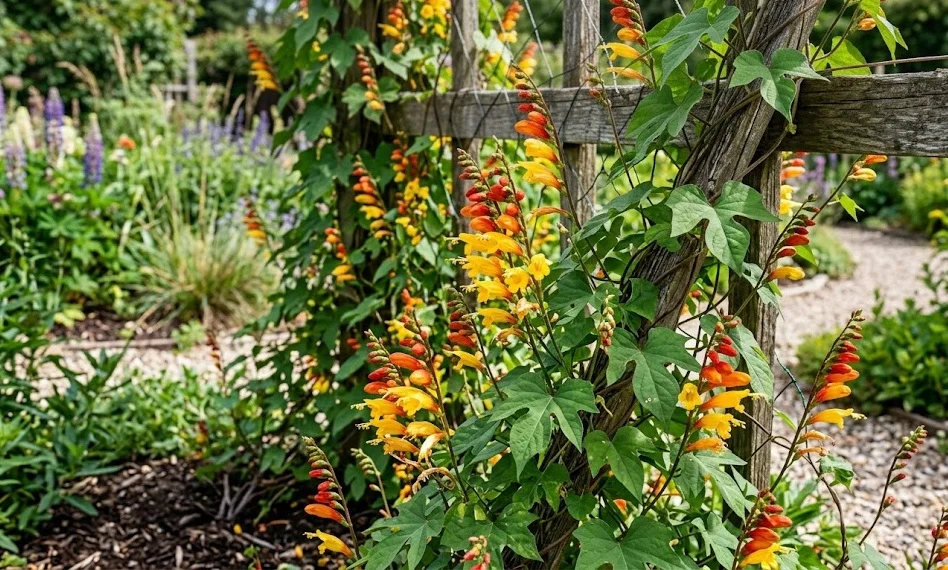

The Mexican morning glory is a frost-sensitive plant that requires special attention as the temperatures begin to drop in the autumn. Because of its tropical origins, it cannot survive a typical winter in many temperate regions without human intervention. Depending on your local climate and your personal goals, you can choose to treat it as an annual or attempt to preserve it for the following year. Understanding the options for winter care allows you to maintain your collection and enjoy the vine’s beauty for multiple seasons.
In regions where the ground freezes, the most common approach is to treat this vine as a vigorous annual. This means that once the first hard frost kills the foliage, the plant is removed and the space is prepared for something new in the spring. This is often the simplest method, especially since the plant grows so quickly from seeds and reaches maturity in a single season. It also allows you to start with fresh, disease-free soil and new plant varieties each year.
For those who wish to preserve a specific specimen, the process of overwintering involves moving the plant into a frost-free environment. This is most easily done with plants that are already growing in containers, which can simply be moved indoors or into a heated greenhouse. If your vine is in the ground, you can try to dig up the root ball and transplant it into a pot, though this can be stressful for the plant. The goal is to keep the roots alive and the plant in a state of dormancy or slow growth.
Before moving a plant indoors, it is essential to inspect it thoroughly for any pests that might want to hitch a ride into your home. Aphids, mites, and whiteflies can quickly multiply in the warm, dry air of a house and infest your other indoor plants. Pruning the vine back significantly before moving it makes it easier to manage and helps the plant transition to lower light levels. This also reduces the amount of foliage the roots have to support during the stressful moving process.
Maintaining dormancy in a cool environment
Once the plant is inside, the ideal overwintering location is a cool, bright spot where the temperature stays between fifty and sixty degrees Fahrenheit. A basement with windows, a bright garage, or a cool sunroom are often the best choices for maintaining a semi-dormant state. If the environment is too warm, the plant may try to grow weakly, which results in thin, pale stems that are susceptible to disease. The goal is to keep the plant “resting” rather than actively pushing out new growth.
More articles on this topic
Watering during the winter months should be significantly reduced compared to the active growing season in the summer. Because the plant is not growing quickly and the air is cooler, it uses much less water and is at a high risk for root rot. Allow the soil to dry out almost completely between waterings, providing only enough moisture to keep the roots from desiccating. You should also stop all fertilization during this time, as the plant does not need extra nutrients while it is dormant.
Light is still a requirement for survival, even if the vine is not actively climbing or flowering during its winter rest. If you don’t have a naturally bright spot, you can use supplemental grow lights to provide a few hours of illumination each day. This helps the plant maintain its internal biological clock and makes the transition back to the garden much easier in the spring. Keep a close eye on the foliage and remove any dead or yellowing leaves to maintain a clean environment.
Humidity can be a challenge in many homes during the winter because heating systems tend to dry out the indoor air. While the plant is dormant, it is less sensitive to low humidity, but extremely dry air can still encourage spider mite outbreaks. Placing the pot on a tray of pebbles with water or using a small humidifier nearby can help keep the air around the foliage more comfortable. This extra step can make a big difference in the overall survival rate of your overwintered vines.
Waking up and spring transition
As the days begin to lengthen and the outdoor temperatures start to rise, you will notice the plant beginning to show signs of life. This is the signal that it is time to start gradually increasing the amount of water you provide and perhaps moving it to a warmer spot. You can also begin to apply a very dilute liquid fertilizer to support the new growth that will soon appear. This “waking up” process should be done slowly to avoid shocking the plant’s system.
More articles on this topic
Once the risk of frost has completely passed and the soil has warmed up, you can begin the process of moving the plant back outdoors. This requires the same hardening-off period that you would use for new seedlings, gradually exposing the vine to more sun and wind. If the plant has become overgrown or leggy during the winter, this is the perfect time for a rejuvenating prune. Removing the old, weak growth encourages the development of strong, vigorous new shoots from the base.
Repotting is often necessary for overwintered container plants as they can become root-bound after a full season of growth. Providing fresh potting soil and perhaps a slightly larger container gives the roots more room to expand and provides a fresh supply of nutrients. This is also a good opportunity to inspect the root system for any signs of damage or decay that may have occurred over the winter. A healthy root system is the foundation for a spectacular flowering display in the coming year.
If you chose to save seeds instead of overwintering the live plant, spring is the time to start your new generation. This allows you to have a completely fresh start each year and often results in the most vigorous and productive vines. Whether you keep the mother plant or start from seed, the arrival of spring is an exciting time for any gardener. The cycle of life continues, and the beauty of the Mexican morning glory returns to your landscape.
Success strategies for cold climates
In extremely cold climates where even indoor overwintering is difficult, focusing on seed saving is the most reliable strategy for success. The seeds of this species are quite hardy and can be stored easily in a cool, dry place until the following spring. This ensures that you will always have a supply of plants regardless of how harsh the winter weather becomes. Many gardeners find this to be the most stress-free and rewarding way to manage their collection.
Using heat mats can be a professional secret for giving your seeds or overwintered plants an extra boost in the early spring. Providing consistent bottom heat mimics the warm tropical soil of the plant’s native habitat and encourages faster root activity. This can result in a much earlier blooming period, allowing you to enjoy the flowers for a longer portion of the summer. It is a small investment that pays off in a big way during the growing season.
Cold frames or unheated greenhouses can also be used as a “halfway house” for plants during the transitional periods of spring and autumn. These structures protect the plants from light frosts and wind while still allowing them to enjoy natural sunlight. They are excellent for extending the growing season and for safely hardening off plants before they go into the open garden. Mastering the use of these tools is a hallmark of an advanced and dedicated horticulturist.
Ultimately, the best wintering strategy is the one that fits your lifestyle and your specific garden environment. Whether you choose the simplicity of annual planting or the challenge of indoor preservation, the goal is to keep the spirit of your garden alive. Each year brings new lessons and new opportunities to refine your techniques and improve your results. With a little care and planning, the Mexican morning glory can be a source of joy in your garden for many years to come.