
Understanding the light requirements of stubble turnips is fundamental for maximizing their rapid growth and ensuring a high-quality yield in an agricultural context. As a member of the brassica family, these plants are highly efficient at converting solar energy into biomass through the process of photosynthesis. You must recognize that light is the primary driver of both leaf development and the subsequent swelling of the nutrient-rich roots. A professional approach to light management involves strategic field placement and a keen understanding of seasonal solar dynamics.
Stubble turnips are generally considered full-sun plants, requiring a minimum of six to eight hours of direct light daily to reach their full potential. You should prioritize open fields with minimal shading from surrounding forests, buildings, or topographical features that could limit the solar harvest. When light is limited, the plants often become “leggy,” focusing their energy on stem elongation rather than the development of a robust root system. This physiological response can lead to a weaker plant that is more susceptible to physical damage and environmental stress.
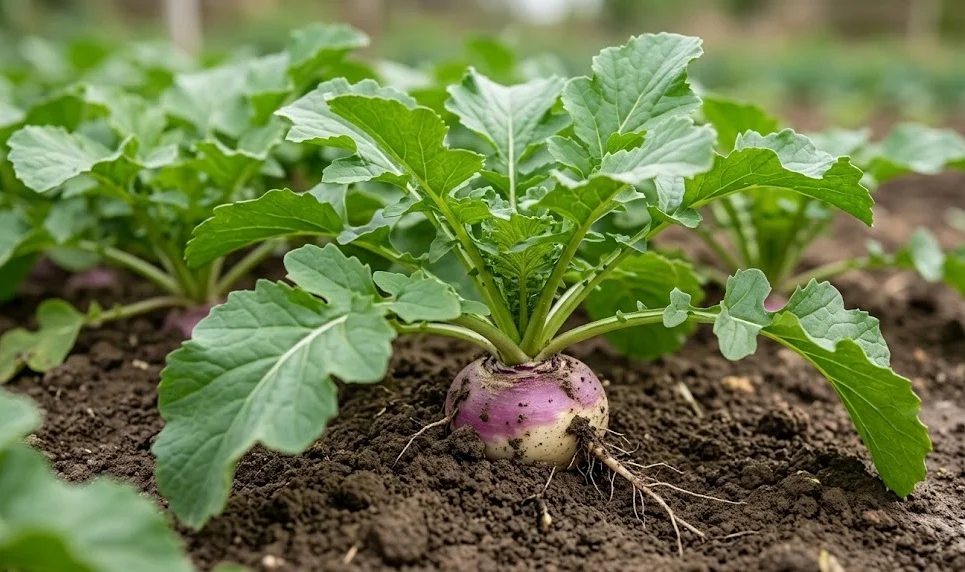
The intensity of the light is just as important as the duration, especially during the critical late summer months when the crop is first established. You should ensure that the seedlings have immediate access to high-intensity sunlight to fuel their rapid early growth phases. The large, broad leaves of the stubble turnip are an evolutionary adaptation designed to capture as much solar radiation as possible in a short amount of time. Maximizing this energy capture is the key to producing the high levels of dry matter that make this crop so valuable for forage.
Seasonality plays a significant role in light management, as the angle and duration of the sun change dramatically between the planting date and the harvest. You must plan your planting schedule to take advantage of the peak solar window before the shorter days of autumn begin to slow down the growth rate. A professional grower understands this solar “ticking clock” and adjusts their management practices to align with the available light energy. Proper light management is a sophisticated balance of timing, placement, and biological understanding.
Photosynthesis and biomass production
The process of photosynthesis is the engine that drives every aspect of the stubble turnip’s growth from germination to maturity. You should view the expansive leaf canopy as a living solar panel that is constantly harvesting energy to build complex sugars and proteins. This energy is first used to establish a strong vegetative base and is later redirected into the roots for long-term storage. The efficiency of this energy conversion is directly proportional to the quality and quantity of light the plant receives throughout its life.
More articles on this topic
Optimal light conditions promote a dense, compact growth habit that is both physically resilient and highly productive for the grower. You will notice that plants grown in full sun have thicker, more vibrant leaves and a much more substantial root mass than those grown in partial shade. This increased biomass is not just about size; it also relates to the concentration of nutrients and energy within the plant tissues. Light is the silent architect of the crop’s nutritional profile, making it a critical factor for any professional agricultural operation.
When light is abundant, the plant can also maintain a higher metabolic rate, allowing it to recover more quickly from minor pest damage or environmental fluctuations. You should recognize that a well-lit crop is inherently more resilient and better equipped to handle the challenges of the growing season. The surplus energy provided by ample sunlight allows the plant to invest in secondary metabolites that can help ward off diseases and insects. Understanding this link between light and health is a key part of expert crop management.
You must also consider the role of light in the timing of the plant’s life cycle, specifically the transition from vegetative growth to reproductive phases. While stubble turnips are typically harvested before they flower, extreme changes in light can sometimes trigger a “bolting” response that reduces the quality of the crop. A professional grower monitors these subtle environmental cues to ensure that the crop remains in its most productive state for the duration of the season. Light management is a continuous process of observation and strategic planning.
Canopy management and light penetration
As the stubble turnip crop matures, the individual plants will begin to compete with one another for the available light in the field. You should manage the plant density through proper sowing and thinning to ensure that light can penetrate deep into the canopy for all individuals. Overcrowding leads to self-shading, where the lower leaves are starved of light and eventually senesce, reducing the overall efficiency of the crop. Maintaining an open and uniform stand allows every plant to maximize its solar harvest and contribute to the total yield.
More articles on this topic
The structure of the leaves themselves is designed to maximize light capture while minimizing the risk of overheating or excessive water loss. You should observe how the leaves orient themselves throughout the day to catch the moving sun, a phenomenon that indicates a healthy and active metabolic system. Healthy, turgid leaves provide a much larger surface area for photosynthesis than those that are wilted or damaged by pests. Protecting the integrity of the foliage is therefore a critical part of your overall light management strategy for the field.
In areas with particularly high light intensity, the plants may need to manage their internal temperature to avoid cellular damage from excessive radiation. You should ensure that the crop has access to enough moisture to support the transpiration needed to keep the leaves cool during the peak of the day. A well-hydrated plant can utilize high light levels much more effectively than one that is struggling with water stress. This integration of light and water management is a hallmark of a professional who understands the complex physiology of the turnip.
Reflective properties of the soil can also play a minor but interesting role in the light environment for young turnip seedlings. You might notice that lighter-colored soils can reflect some solar energy back up to the underside of the leaves, potentially increasing the total light available for growth. While not a primary factor in field selection, it is an example of the many subtle ways that light interacts with the agricultural environment. Expert management involves paying attention to all these details to create the perfect conditions for the crop.
Seasonal light shifts and harvest timing
The rapid decline in day length and light intensity during the autumn months marks a natural turning point for the stubble turnip crop. You should be prepared for the growth rate to slow down as the total daily solar energy decreases and the temperatures begin to drop. This shift signals the plant to move its energy reserves from the leaves into the roots, which is the primary goal of late-season care. Understanding this seasonal rhythm allows you to time your final management interventions for maximum impact.
You must also consider how the reduced light levels in late autumn affect the drying time of the foliage and the overall moisture balance in the field. Lower light intensity means that dew and rain stay on the leaves for longer, increasing the risk of fungal pathogens like downy mildew. You should adjust your scouting and management practices to account for these changes and ensure the crop remains healthy through the transition. A professional grower is always one step ahead of the changing seasons, adapting their strategy to the available light.
The final harvest or grazing timing should be synchronized with the point where the light-driven growth no longer offsets the natural senescence of the older leaves. You should aim to utilize the crop when it has reached its peak biomass and nutritional density, which usually occurs just as the days become significantly shorter. Waiting too long after the light levels have dropped can lead to a decrease in the overall quality and energy value of the turnips. This precision in timing is what ensures a successful and profitable agricultural outcome.
Finally, reflecting on the light dynamics of your fields can help you make better planting decisions for the following season. You should note which areas of your farm provided the best light exposure and how the crop responded to the specific solar conditions of the year. This historical data is an invaluable resource for refining your expertise and becoming a more effective grower of stubble turnips. Mastering the light requirements of your crop is a journey of continuous observation and learning in the pursuit of agricultural excellence.