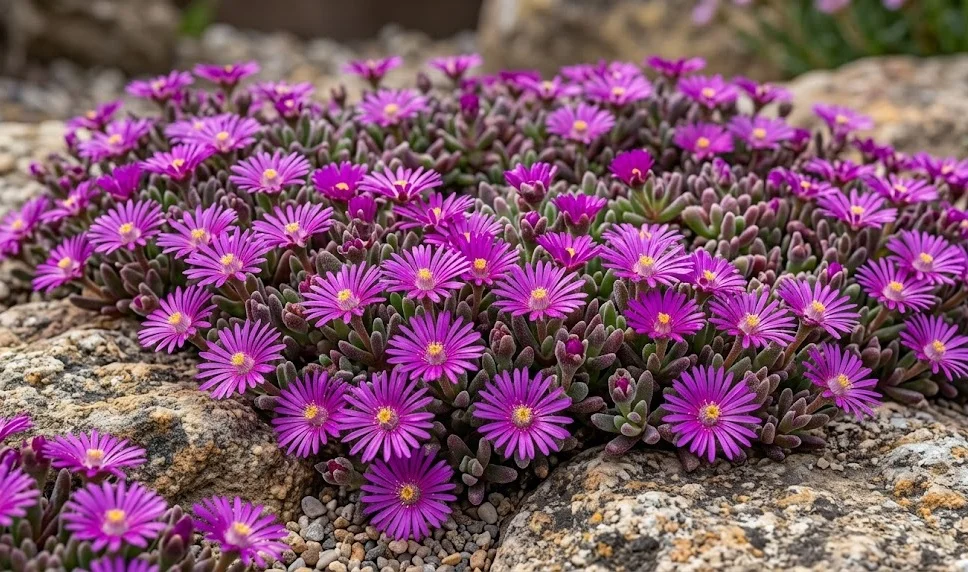

Maintaining a vigilant eye for potential threats is a vital part of professional gardening, especially when dealing with succulents that can hide issues within their fleshy tissues. You should understand that most problems with the hardy ice plant arise from environmental imbalances rather than inherently weak genetics. By fostering a healthy growing environment, you naturally boost the plant’s immune system and reduce its attractiveness to various pests and pathogens. Early detection and a measured response are the best strategies for keeping your garden beds in top condition throughout the year.
Fungal infections are the most common disease issues you will encounter, and they are almost always linked to excessive moisture. You might notice dark spots on the leaves or a fuzzy growth near the base of the stems during prolonged periods of wet weather. If left unchecked, these fungi can quickly spread and cause significant portions of the plant mat to collapse and die. Improving air circulation and ensuring rapid drainage are your primary defenses against these opportunistic organisms.
Root rot is perhaps the most devastating condition because it often remains invisible until the plant is beyond saving. You should be suspicious if a previously healthy section of the plant begins to turn yellow or feels soft and mushy at the touch. This condition is usually caused by soil-borne pathogens that thrive in anaerobic, waterlogged conditions where oxygen cannot reach the roots. Preventing this issue through proper soil preparation is much easier than trying to treat it after the damage has begun.
Pests, while less common than in many other garden plants, can still occasionally target your succulent collection. You should look for small insects like aphids or mealybugs that may congregate in the protected areas between the dense leaves. These sap-sucking pests can weaken the plant and cause distorted growth if their populations are allowed to explode. A professional gardener knows that a balanced ecosystem with natural predators is the best way to keep these intruders under control.
Identifying and managing fungal issues
When you first spot signs of a fungal infection, your immediate priority should be to remove the affected plant material to prevent further spread. You should use sterilized tools to cut away any diseased stems and dispose of them far from your compost pile. This simple act of hygiene can often stop a minor problem from becoming a localized epidemic in your garden. Always clean your shears with alcohol after every cut to ensure you aren’t inadvertently spreading spores to healthy tissues.
More articles on this topic
Environmental modifications are often more effective than chemical treatments for managing fungal diseases in succulents. You should evaluate if nearby plants have overgrown and are blocking the airflow to your ice plant mat. Thinning out surrounding vegetation or moving some stones can dramatically improve the microclimate around the sensitive plants. Keeping the soil surface dry with a layer of mineral mulch also creates a less hospitable environment for surface-dwelling fungi.
If environmental changes aren’t enough, you might consider using an organic fungicide such as a copper-based spray or a neem oil solution. You should apply these treatments in the cool of the early morning to avoid any potential for leaf burn under the hot sun. Always follow the product instructions carefully and focus your application on the areas where the symptoms are most prevalent. Remember that these sprays are a temporary fix and won’t replace the need for proper cultural practices like correct watering.
Powdery mildew is another fungal issue that can occasionally appear as a white, dusty coating on the foliage. You will find that this typically happens during periods of high humidity and moderate temperatures when the air is stagnant. Increasing the space between plants and avoiding overhead watering can significantly reduce the incidence of this unsightly but usually non-lethal condition. A healthy, well-ventilated garden is naturally resistant to most of these common fungal challenges.
Dealing with common succulent pests
Mealybugs are often the most frustrating pests for succulent enthusiasts because they like to hide in the tightest crevices of the plant. You should look for small, white, cottony masses that indicate the presence of these insects and their protective coverings. If you find only a few, you can remove them manually using a cotton swab dipped in rubbing alcohol. This targeted approach is very effective for small infestations and doesn’t involve the use of broad-spectrum insecticides.
More articles on this topic
Aphids can also be attracted to the tender new growth and the vibrant flower buds of the ice plant in late spring. You might see these small, green or black insects clustered on the tips of the stems, where they suck the vital juices from the plant. A strong blast of water from a garden hose is often enough to dislodge most of them and disrupt their feeding cycle. Encouraging ladybugs and lacewings in your garden provides a natural and sustainable way to keep aphid numbers in check.
Slugs and snails can sometimes find the fleshy leaves of the ice plant quite appetizing, especially during damp nights or rainy spells. You will notice irregular holes in the foliage or silvery slime trails as evidence of their nocturnal visits. Using non-toxic barriers like crushed eggshells or copper tape can help protect particularly vulnerable areas of your garden. Keeping the area around the plants free of decaying organic debris also removes the hiding spots where these pests spend their days.
Scale insects are another group of sap-suckers that can appear as small, hard bumps on the stems or leaves. You should be aware that these pests are often well-camouflaged and can be mistaken for natural parts of the plant’s structure. If an infestation becomes severe, you may need to use a light horticultural oil to smother the insects and their eggs. Always test any oil-based product on a small area first to ensure it doesn’t damage the sensitive succulent cuticle.
Preventing environmental and physiological stress
Not every blemish on your ice plant is caused by a disease or a pest; many are the result of environmental stress. You should be able to distinguish between a fungal spot and “edema,” which occurs when the plant takes up water faster than it can use it. This results in small, corky bumps on the leaves that are purely structural and not infectious to other plants. Adjusting your watering schedule to be more consistent is the best way to prevent this physiological response.
Sunburn can occur if a plant that has been in the shade is suddenly moved into intense, direct sunlight without a period of acclimation. You will see bleached or tan patches on the upper surfaces of the leaves where the tissue has been damaged by UV radiation. Once the damage is done, the spots will remain until the plant produces new growth to cover them up. Providing temporary shade during the hottest part of the day can help a stressed plant recover and prevent further burning.
Nutrient deficiencies or toxicities can also manifest as discolorations or distorted growth patterns in your succulent collection. You should be careful with the use of chemical fertilizers, as a buildup of salts in the soil can cause the edges of the leaves to turn brown and brittle. If you suspect a soil issue, flushing the area with clean rainwater can help leach out excess minerals and restore balance. A professional approach always considers the soil chemistry as a potential factor in plant health.
Mechanical damage from hail, falling debris, or even heavy foot traffic can create wounds that provide an entry point for pathogens. You should inspect your garden after any significant weather event and clean up any broken stems or crushed foliage. While the ice plant is relatively tough, maintaining its structural integrity helps it resist secondary infections. Taking a few minutes to tidy up your beds after a storm is a small task that pays off in long-term plant health.
Organic and integrated pest management
Integrated Pest Management (IPM) is a professional philosophy that combines multiple strategies to keep your garden healthy with minimal environmental impact. You should start with the least invasive methods, such as hand-picking pests or adjusting your watering routine, before moving to chemical options. This approach preserves the beneficial insects in your garden and prevents the development of pesticide resistance in target pests. By working with nature instead of against it, you create a more stable and resilient landscape.
Attracting birds and beneficial insects to your garden is a key component of a successful organic pest control strategy. You can provide bird baths and nesting sites to encourage avian visitors that will happily feast on caterpillars and other large pests. Planting a diversity of species ensures that there is always a population of predatory insects ready to tackle any sudden pest outbreaks. Your hardy ice plant is just one part of a larger, interconnected web of life that you are managing.
Homemade solutions, such as a mild soap spray, can be effective against many common garden pests while being safe for the environment. You should mix a small amount of biodegradable soap with water and spray it directly onto the insects you want to control. Be sure to rinse the plant with fresh water after a short period to prevent any soap residue from clogging the stomata. These simple, low-tech solutions are often all a professional gardener needs to maintain a beautiful and healthy landscape.
The ultimate goal of managing diseases and pests is to support a thriving garden that brings you joy rather than frustration. You should view every challenge as an opportunity to learn more about the fascinating biology of your plants and their environment. With patience, observation, and a commitment to sustainable practices, your hardy ice plant will continue to be a highlight of your outdoor space. A healthy garden is a rewarding achievement that reflects your dedication and expertise as a gardener.