
Proper nutrition and hydration are the twin pillars of plant health that determine the longevity and beauty of your garden. For the garden photinia, these two factors are especially important for maintaining the glossy texture of the leaves and the intensity of the red spring growth. A professional gardener understands that watering and fertilizing are not “one size fits all” tasks but must be adapted to the specific needs of the plant and the season. Mastering these techniques will help you cultivate shrubs that are not only aesthetically pleasing but also highly resistant to environmental stress.
Establishing a watering schedule
The watering needs of this evergreen shrub change significantly as it moves through different stages of its life and different seasons of the year. Newly planted specimens require much more frequent attention, as their root systems are not yet deep enough to find moisture in the lower soil layers. During the first two growing seasons, you should aim to keep the soil consistently moist but never waterlogged or soggy. Checking the soil moisture by hand is the most reliable way to determine if it is time to bring out the hose or watering can.
Once the plant is fully established, it becomes remarkably drought-tolerant and can survive periods of dry weather with minimal intervention. However, just because it can survive does not mean it will look its best without a regular supply of water during the height of summer. If the plant experiences severe water stress, you may notice the leaves drooping or the tips of the branches becoming dry and brittle. To prevent this, provide a deep soaking once a week during prolonged dry spells to keep the plant hydrated and healthy.
The frequency of your watering should also be adjusted based on your specific soil type and the local climate conditions. Sandy soils drain very quickly and will need more frequent watering than heavy clay soils that hold onto moisture for a long time. If you live in an area with high winds or very high temperatures, the evaporation rate will be much higher, necessitating more frequent checks. A professional approach involves observing the plant and the environment rather than just sticking to a rigid, pre-set calendar.
Winter watering is a concept that many gardeners overlook, but it can be critical for evergreens in certain climates. If the ground is not frozen but the weather has been exceptionally dry, the plant may still need a light watering to prevent desiccation. Because the leaves stay on the plant all year, they continue to lose moisture through transpiration even during the colder months. Ensuring the plant enters the winter with adequate hydration is a key strategy for preventing “winter burn” and maintaining foliage quality.
More articles on this topic
Techniques for efficient irrigation
How you water your plants is just as important as how much water you give them, as improper techniques can lead to waste and disease. The goal of irrigation should always be to deliver water directly to the root zone where it can be used by the plant. Avoid using overhead sprinklers that wet the foliage, as this creates a humid microclimate that encourages the growth of fungal leaf spots. Instead, use a soaker hose or a drip irrigation system that delivers water slowly and directly to the base of the plant.
Watering in the early morning is widely considered the best practice for professional gardeners and landscape managers. This allows any water that does get on the leaves to dry quickly as the sun rises and the air temperature increases. It also ensures that the plant has a full reservoir of moisture to draw from during the heat of the day when transpiration is at its peak. Watering in the evening can be problematic because the damp foliage and soil stay wet all night, inviting pests like slugs and various fungal pathogens.
Deep watering is far more effective than frequent, shallow sprinkling, as it encourages the roots to grow deeper into the earth. When you water deeply, the moisture penetrates several inches down, where it is protected from evaporation and remains available to the plant for longer. This creates a more resilient root system that can better withstand the challenges of a hot and dry summer. Aim to saturate the soil to a depth of about six to eight inches every time you perform a thorough irrigation session.
Using organic mulch is one of the best ways to increase the efficiency of your watering and reduce overall water usage in the garden. A thick layer of bark or compost acts as a barrier, preventing the sun from drying out the surface of the soil too quickly. It also helps to keep the soil temperature more stable, which reduces stress on the roots and improves the plant’s ability to take up water. By combining smart irrigation techniques with effective mulching, you can maintain a beautiful garden while being mindful of resource conservation.
More articles on this topic
Nutrient requirements for vibrant leaves
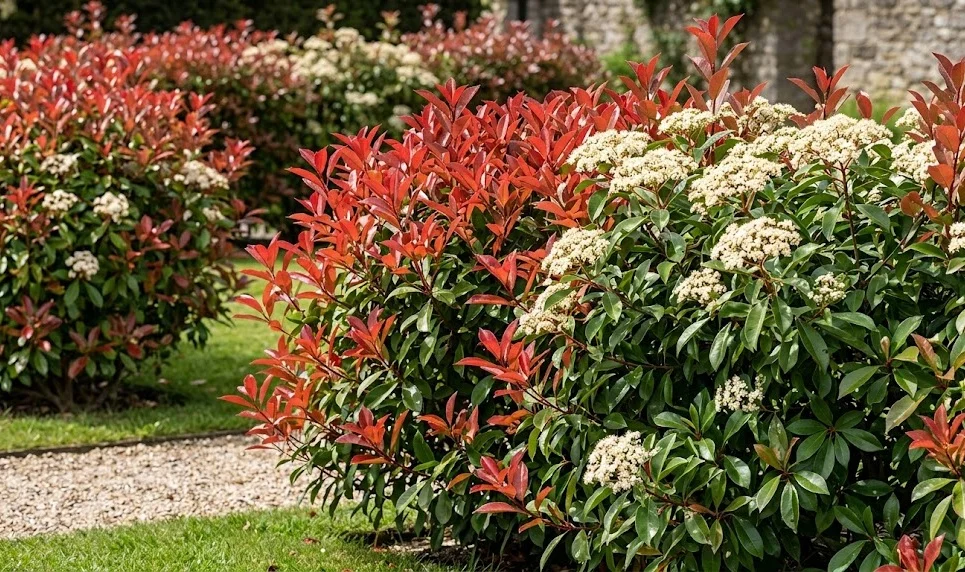
To produce the intense red color that this shrub is famous for, it requires a steady supply of essential nutrients from the soil. Nitrogen is the primary driver of leafy growth and is responsible for the overall greenness and vitality of the foliage. Phosphorus and potassium are also vital, as they support strong root development and improve the plant’s resistance to diseases and cold temperatures. A balanced approach to nutrition ensures that all parts of the plant are supported equally throughout the growing season.
Iron and magnesium are secondary nutrients that play a massive role in the health of evergreen shrubs like the photinia. If the soil is too alkaline, the plant may struggle to take up iron, leading to a condition called iron chlorosis where the leaves turn pale yellow while the veins stay green. Adding a chelated iron supplement or acidifying the soil with sulfur can help correct this issue and restore the plant’s healthy appearance. Magnesium is also essential for photosynthesis, so ensuring the soil has a good mineral balance is a key part of professional plant care.
Organic matter is the best long-term source of nutrients for your garden, as it improves the soil structure while slowly releasing minerals. Regularly adding well-rotted manure, garden compost, or leaf mold provides a wide spectrum of nutrients in a form that is easy for the plant to absorb. These organic additions also support the beneficial soil microbes that help break down nutrients and protect the roots from pathogens. Building a healthy “living soil” is the foundation of a successful and low-maintenance garden over time.
While organic matter is great, there are times when a supplemental application of a commercial fertilizer might be necessary for optimal growth. If you notice the plant is growing slowly or the colors are not as vibrant as they used to be, a balanced slow-release fertilizer can provide the boost it needs. Always follow the manufacturer’s instructions carefully and avoid over-fertilizing, which can be just as harmful as a lack of nutrients. Professional results come from understanding exactly what the plant needs and providing it at the right time.
Seasonal fertilization strategies
The timing of your fertilizer applications should be closely aligned with the plant’s natural growth cycles for the best results. The most important feeding of the year should take place in early spring, just as the new growth begins to emerge from the buds. This provides the plant with the energy it needs to push out a massive flush of those spectacular red leaves that everyone loves. A balanced, slow-release fertilizer applied at this time will continue to feed the plant for several months as the season progresses.
A secondary, lighter feeding can be applied in the early summer to support the plant as it matures its spring growth and prepares for the heat. This helps to maintain the glossy sheen of the leaves and ensures the plant has enough reserves to handle any environmental stresses. Avoid using high-nitrogen fertilizers late in the summer, as this can encourage a flush of soft growth that won’t have time to harden off before winter. This tender new foliage is very susceptible to frost damage and can lead to dieback in the branches during the cold months.
In the autumn, the focus of fertilization shifts from encouraging growth to strengthening the plant’s overall structure and root system. A fertilizer with a lower nitrogen content but higher levels of potassium can be beneficial at this time to improve winter hardiness. This helps the plant build up its cellular strength and prepare for the dormant period when growth essentially stops. By adjusting the nutrient ratios according to the season, you are working in harmony with the plant’s biological needs.
Winter is generally a time when no fertilizer should be applied, as the plant is not actively taking up nutrients and they may simply wash away into the groundwater. Instead, use the winter months to plan your fertilization strategy for the coming year based on how the plant performed in the previous season. If you saw signs of deficiency or excessive growth, you can make adjustments to your plan to achieve even better results. Professional gardening is an iterative process of observation and refinement that leads to a more beautiful and healthy landscape.
Identifying and correcting nutrient issues
Being able to read the signs that your plant is giving you is a skill that separates professional gardeners from casual hobbyists. Nutrient deficiencies often manifest as specific patterns of discoloration or stunted growth that can be identified with a little bit of knowledge. If the older leaves are turning yellow while the new growth is still green, the plant may be lacking nitrogen, which it is moving to the most active areas. On the other hand, if the new growth is stunted or distorted, it might be a sign of a trace mineral deficiency like calcium or boron.
Soil testing is the only definitive way to know what is happening in your garden’s earth and what might be lacking. A professional soil test will provide you with a detailed breakdown of the pH levels and the concentrations of all the major and minor nutrients. Armed with this information, you can choose the exact type of fertilizer or soil amendment that will fix the problem without wasting money on products you don’t need. It is a scientific approach that takes the guesswork out of gardening and ensures the health of your plants.
Over-fertilization is a common mistake that can lead to a host of problems, including root burn and an increased susceptibility to pests. If you apply too much nitrogen, the plant may produce a lot of lush, soft growth that is a magnet for aphids and other sap-sucking insects. Excessive salts from chemical fertilizers can also build up in the soil over time, making it harder for the plant to take up water. If you suspect you have over-fertilized, flush the soil with plenty of fresh water to help dilute and wash away the excess minerals.
Correcting nutrient issues is often a slow process, as the plant needs time to absorb the new minerals and incorporate them into its tissues. Don’t expect to see a change overnight; it may take several weeks or even a full growing season to see the results of your interventions. Consistency and patience are the keys to long-term success when it comes to managing the nutrition of your garden. By staying observant and responding carefully to the plant’s needs, you can ensure your photinia remains a vibrant and healthy centerpiece of your garden.