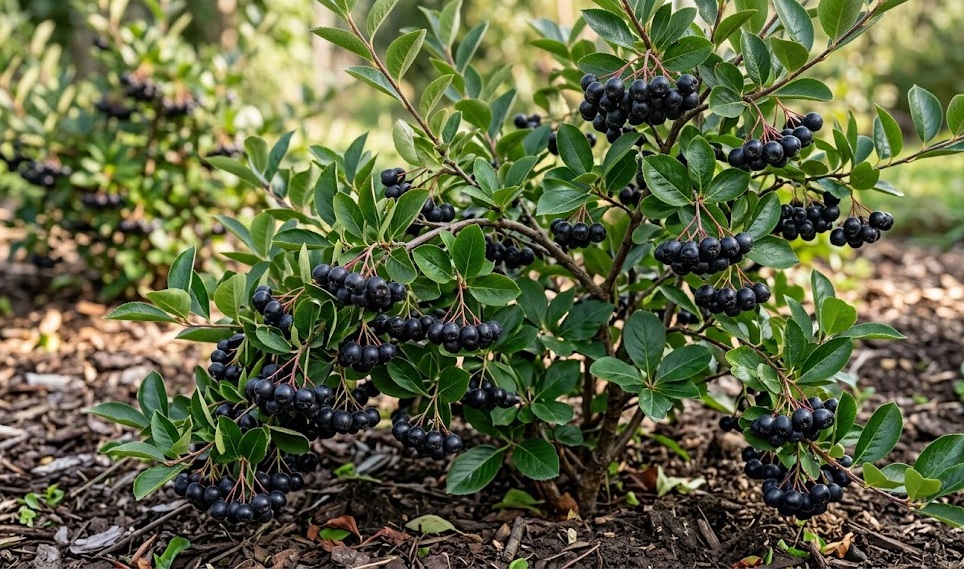

As the growing season draws to a close and the first hints of frost appear in the air, your attention must shift toward preparing your shrubs for the cold. The black chokeberry is a remarkably hardy plant that can withstand very low temperatures, but it still benefits from a professional approach to winter care. Proper preparation ensures that the plant enters its dormant phase with enough energy to survive and emerge in the spring with renewed vigor. Understanding the physiological changes that occur during this transition allows you to support your plants through the harshest months of the year.
Winter is not just a time of rest for the plant; it is a critical period for root development and structural stability under the weight of snow and ice. You should recognize that while the top of the plant appears inactive, the root system continues to function as long as the ground is not completely frozen. Providing the right conditions during the autumn months sets the stage for this underground activity that is so vital for next year’s growth. A well-prepared shrub is much less likely to suffer from winter desiccation or mechanical damage from the elements.
A humanized approach to overwintering involves a sense of stewardship and a desire to protect the living investment you have made in your garden. You should walk through your berry patch after the leaves have fallen, checking the integrity of the stems and the condition of the soil. This quiet time in the garden is an opportunity to reflect on the past season and make the necessary adjustments for the future. Taking care of your plants during their most vulnerable time is a sign of a dedicated and expert horticulturist.
Preparing for winter is a step-by-step process that begins long before the first snow falls and continues until the ground begins to thaw in the spring. You should develop a routine that includes cleaning, mulching, and protecting the shrubs from both environmental and biological threats. By following these professional guidelines, you ensure that your berry patch remains a permanent and productive feature of your landscape. Winter care is the final chapter in the annual cycle of gardening, and it is just as important as any other task you perform throughout the year.
Early autumn preparations
The process of preparing for winter begins in the late summer and early autumn when you should stop applying high-nitrogen fertilizers. You should avoid encouraging new, tender growth that will not have enough time to “harden off” before the freezing temperatures arrive. This soft growth is very susceptible to frost damage and can provide an entry point for diseases into the main structure of the shrub. Instead, allow the plant’s natural hormones to trigger the transition into dormancy as the days grow shorter and the air turns cool.
More articles on this topic
Cleaning up the area around the base of the shrubs is an essential task that you should complete before the first heavy frost. You should remove any fallen fruit, weeds, and dead leaves that could provide a hiding place for overwintering pests or fungal spores. A clean garden floor reduces the risk of infections spreading to the healthy wood during the damp autumn and spring months. This simple act of sanitation is one of the most effective ways to ensure a healthy start for the next growing season.
Hydration is just as important in the autumn as it is during the heat of summer, as dormant plants still need moisture to survive the winter. You should provide several deep waterings during the weeks leading up to the first hard freeze, especially if the autumn has been unusually dry. Frozen ground acts as a barrier to water, so the plant must have a full reserve in its tissues and the surrounding soil before the cold sets in. A well-hydrated shrub is much more resilient to the drying effects of cold winter winds.
Identifying and removing any weak or damaged branches during the autumn allows the plant to focus its energy on its healthiest structures. You should look for any stems that have been compromised by pests or mechanical injury during the summer harvest. Cutting these back to healthy wood now prevents them from breaking under the weight of snow or providing a home for insects during the winter. This preliminary pruning is a strategic move that simplifies the more thorough maintenance tasks you will perform in the late winter.
Root zone protection
The root system is the most sensitive part of the plant when it comes to extreme temperature fluctuations during the winter months. You should apply a fresh, thick layer of organic mulch around the base of each shrub to act as an insulating blanket for the soil. Wood chips, straw, or shredded leaves are all excellent materials that help to moderate the ground temperature and prevent the freeze-thaw cycle from pushing the roots out of the earth. This thermal stability is critical for the survival of young plants and those that have been recently transplanted.
More articles on this topic
Mulching also serves the dual purpose of retaining moisture in the soil throughout the winter, which helps to prevent root desiccation. You should ensure that the mulch layer is at least three to four inches deep but kept a few inches away from the actual stem of the shrub. This gap prevents moisture from being trapped against the bark, which could lead to rot or provide a pathway for rodents to chew on the wood. A well-placed ring of mulch is a professional mark of a gardener who understands the needs of their plants.
In areas with very sandy soil or extreme cold, you might consider a wider mulch zone to protect the furthest reaches of the root system. You should recognize that the feeder roots often extend well beyond the drip line of the branches and are equally deserving of protection. By covering a larger area, you ensure that the entire underground network remains stable and ready to support the rapid growth of spring. Thinking about the plant as a whole system, both above and below ground, is the key to successful overwintering.
Organic mulches will slowly break down over the winter, adding valuable nutrients and improving the soil structure for the coming year. You should see this as a natural composting process that feeds the soil biology while the plant is resting above. As the mulch decomposes, it creates a rich, spongy layer that will absorb the spring rains and prevent erosion around the base of your shrubs. This sustainable cycle of protection and nourishment is what makes organic mulches the preferred choice for expert growers everywhere.
Managing dormant structures
Winter winds can be surprisingly damaging to the structure of dormant shrubs, especially those that are planted in exposed locations. You should consider providing a windbreak or temporary shielding if your berry patch is located in the path of prevailing winter gusts. Cold winds pull moisture out of the dormant stems faster than the frozen roots can replace it, leading to a condition known as winter burn. Creating a more sheltered microclimate can significantly reduce the amount of dieback you see on the tips of the branches in the spring.
The weight of heavy, wet snow or ice can cause the branches of the black chokeberry to bend or even snap if they are not supported. You should gently brush off heavy accumulations of snow after a storm to relieve the pressure on the structural wood of the shrub. Avoiding the use of a heavy shovel or aggressive shaking is important, as frozen wood is brittle and can break easily under stress. A gentle touch is all that is needed to keep your plants safe during the most challenging winter weather.
Winter is also the time when hungry wildlife like rabbits and deer might turn to your berry shrubs as a source of food. You should inspect the base of your plants for any signs of bark chewing or branch nipping, which can severely damage or even kill the shrub. Installing a simple wire mesh guard around the lower stem is an effective way to keep these animals at bay during the months when other food is scarce. Protecting the bark is essential, as it is the vascular system that will carry nutrients to the new leaves in the spring.
Late winter, just before the buds begin to swell, is the ideal time for your primary structural pruning and maintenance. You should take advantage of the dormant state of the plant to see the overall shape and identifying any areas that need thinning or rejuvenation. Removing a portion of the oldest wood every year encourages the growth of young, productive branches that will provide the best fruit. This seasonal task is the final part of winter care and the first step toward a successful and bountiful new year.
Early spring awakening
As the days grow longer and the sun begins to warm the earth, you should monitor your shrubs for the first signs of life. You should be prepared to remove any temporary winter protection as soon as the threat of extreme cold has passed to allow for proper air circulation. This is a delicate time when the plant is vulnerable to sudden temperature swings, so keeping a close eye on the weather forecast is essential. Watching the buds transition from dormant to active is one of the most rewarding moments for any dedicated gardener.
Checking the soil moisture as the ground thaws will tell you if you need to provide an early season watering to support the new growth. You should ensure that the melting snow and spring rains are penetrating the soil rather than just running off the surface. If the ground remains dry during a warm spring, the plant may struggle to push out its first leaves and flowers. Providing a little extra hydration during this awakening phase gives the shrub the momentum it needs for a strong start.
Refreshing the mulch layer in the early spring helps to suppress the first wave of weeds and maintain the soil moisture as the temperatures rise. You should pull back any old mulch that has become matted or moldy over the winter and replace it with a fresh, clean layer of organic material. This also gives you a chance to inspect the crown of the plant and ensure that everything is healthy and ready for the season. A well-maintained base is the foundation for a professional and productive berry patch.
Final thoughts on overwintering involve a commitment to the long-term health and stability of your garden through all the seasons of the year. You should remember that the work you do in the autumn and winter is what allows for the beauty and bounty of the spring and summer. By taking a professional and humanized approach to care, you build a resilient landscape that can withstand the test of time. Gardening is a continuous cycle of preparation and reward, and winter is a vital part of that journey.