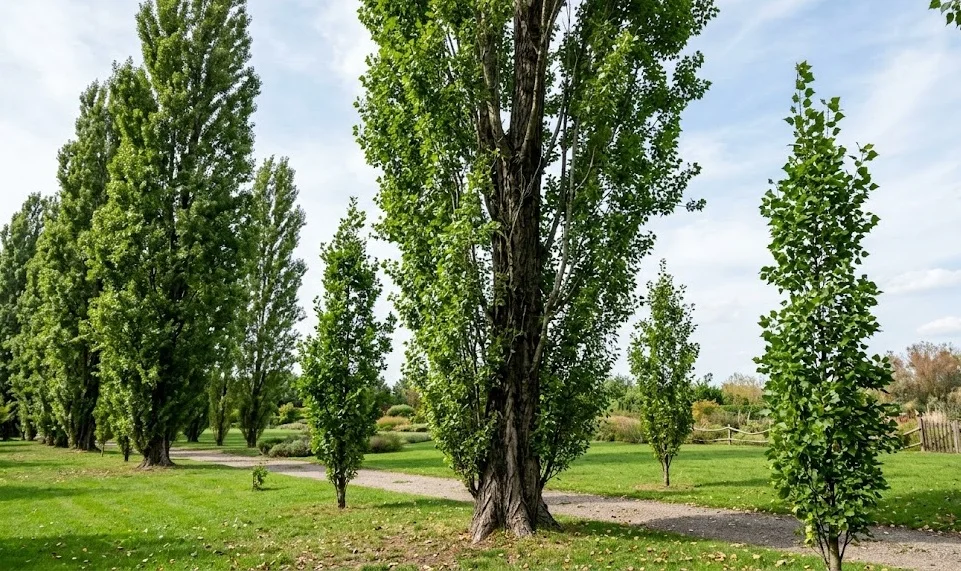

Watering is perhaps the most critical aspect of maintaining a healthy and vigorous lombardy poplar throughout its life. These trees are known for their high water consumption, which is a direct result of their rapid growth and large leaf surface. Understanding the specific moisture requirements of your tree will prevent stress and encourage a lush, green appearance. During the first few years, the hydration needs are especially high as the root system expands.
The frequency of watering depends heavily on your local climate and the type of soil in your garden. Sandy soils drain quickly and will require more frequent applications of water than heavier clay soils. You can check the moisture level by digging a few inches into the ground near the base of the tree. If the soil feels dry at that depth, it is definitely time to provide a thorough soaking.
Weather patterns also dictate how much water the tree will need on a weekly basis. During hot, dry summer months, you may need to water the tree two or three times a week. Conversely, during cool or rainy periods, you can significantly reduce the frequency of your irrigation efforts. Observing the leaves is a good way to tell if the tree is thirsty, as they may begin to wilt or lose their shine.
It is important to remember that deep watering is much more effective than frequent, shallow sessions. Deep moisture encourages the roots to grow downward, which makes the tree more stable and drought-resistant over time. Shallow watering only moistens the surface and can lead to a weak, surface-level root system. Aim to provide enough water to saturate the soil to a depth of at least twelve inches.
Irrigation strategies for success
Using a soaker hose or a drip irrigation system is one of the most efficient ways to water a lombardy poplar. these methods deliver water directly to the soil at a slow and steady pace, reducing evaporation and runoff. This allows the water to seep deep into the ground where the roots can easily access it. It also keeps the foliage dry, which helps to prevent various fungal diseases from developing.
More articles on this topic
If you are watering by hand, try to apply the water around the entire drip line of the tree. The drip line is the area directly beneath the outermost reaches of the branches where the most active roots are located. Move the hose around to ensure all sides of the root system receive an equal amount of moisture. This balanced approach supports even growth and prevents the tree from leaning toward a water source.
Morning is the ideal time of day to water your trees, as it allows the moisture to soak in before the sun gets too hot. Evening watering can also be effective, but it may leave the soil damp for too long, which can attract pests. Avoid watering during the middle of the day when evaporation rates are at their highest. A consistent schedule helps the tree build a rhythm and reduces the risk of moisture-related stress.
Mulching is a professional technique that significantly improves the efficiency of your irrigation efforts. A thick layer of organic mulch helps to lock moisture into the soil and prevents it from evaporating in the heat. It also helps to keep the roots cool, which is beneficial for the tree’s overall metabolic processes. Be sure to replenish the mulch every year to maintain its effectiveness as it breaks down.
Essential nutrients for poplars
Like all fast-growing plants, the lombardy poplar requires a steady supply of nutrients to fuel its development. Nitrogen is the most important element for these trees, as it promotes the growth of healthy green leaves and strong stems. Phosphorus and potassium are also necessary for root development and overall structural integrity. A lack of these essential minerals can lead to stunted growth and a pale, sickly appearance.
More articles on this topic
Before applying any fertilizer, it is highly recommended to perform a soil test to see what is already present. This prevents the over-application of nutrients, which can be just as harmful as a deficiency. Excessive nitrogen, for example, can lead to rapid but weak wood that breaks easily in the wind. A soil test provides a professional roadmap for exactly what your tree needs to flourish.
Organic matter is a fantastic way to provide a slow-release source of nutrients for your trees. Incorporating well-rotted manure or compost into the soil around the base of the tree improves both structure and fertility. These organic amendments also support beneficial soil microbes that help the roots absorb minerals more efficiently. Using natural sources of nutrients is often better for the long-term health of the soil.
If you choose to use commercial fertilizers, look for a balanced formula such as a 10-10-10 or a high-nitrogen blend. These products are easy to apply and provide an immediate boost to the tree’s growth during the spring. Always follow the application rates listed on the packaging to avoid burning the roots with too much salt. Professional-grade fertilizers often come in granular forms that are easy to spread evenly.
Scheduling fertilization cycles
The best time to fertilize a lombardy poplar is in the early spring, just as the new growth begins to emerge. This gives the tree the nutrients it needs during its most active phase of the year. You can apply a second, lighter dose of fertilizer in early summer if the tree seems to be struggling or if the soil is poor. Avoid fertilizing in late summer or autumn, as this can encourage new growth that won’t have time to harden off before winter.
Applying fertilizer correctly is just as important as choosing the right product for your tree. Spread the granules evenly over the soil surface, starting a few inches away from the trunk and extending to the drip line. After spreading the fertilizer, water the area thoroughly to help the nutrients dissolve and move down into the root zone. This ensures that the tree can start using the minerals almost immediately.
Young trees should be fertilized more cautiously than mature specimens to avoid damaging their delicate roots. For the first year after planting, it is often better to rely on organic compost rather than strong chemical fertilizers. As the tree matures and becomes more established, you can gradually increase the amount of fertilizer you provide. Always monitor the tree’s reaction to see if you need to adjust your approach.
If your tree is planted in a lawn that is regularly fertilized, it may already be receiving enough nutrients. Lawn fertilizers are often high in nitrogen, which is exactly what poplars crave for their foliage. In these cases, you might not need to provide any additional fertilizer specifically for the tree. Just keep an eye on the tree’s color and growth rate to ensure it is getting what it needs.
Balancing moisture and health
Maintaining the right balance between water and nutrients is the key to a professional-looking lombardy poplar. Over-watering can lead to anaerobic conditions in the soil, which prevents the roots from taking up nutrients. On the other hand, a lack of water makes it impossible for the tree to transport minerals from the soil to the leaves. Finding the “sweet spot” of consistent moisture is the goal of every successful gardener.
During periods of extreme heat, the tree’s demand for both water and nutrients will increase significantly. You should be prepared to adjust your schedule to meet these changing needs as the season progresses. Providing a little extra care during these stressful times can prevent the tree from becoming dormant prematurely. Healthy, well-fed trees are much better at resisting diseases and pest attacks.
Watch for signs of nutrient toxicity, such as burnt leaf edges or unusually dark foliage. This usually happens when too much fertilizer has been applied or if the soil has a high salt content. If you suspect an over-fertilization issue, flush the soil with plenty of fresh water to wash away the excess minerals. It is always better to under-fertilize slightly than to risk damaging the tree with too much.
As the tree ages, its root system becomes more efficient at finding what it needs from the surrounding environment. Mature lombardy poplars may require less frequent intervention than younger, developing trees. However, they still benefit from occasional deep watering during extended droughts to maintain their vitality. Your continued attention to these basic needs will ensure the tree remains a majestic part of your garden.