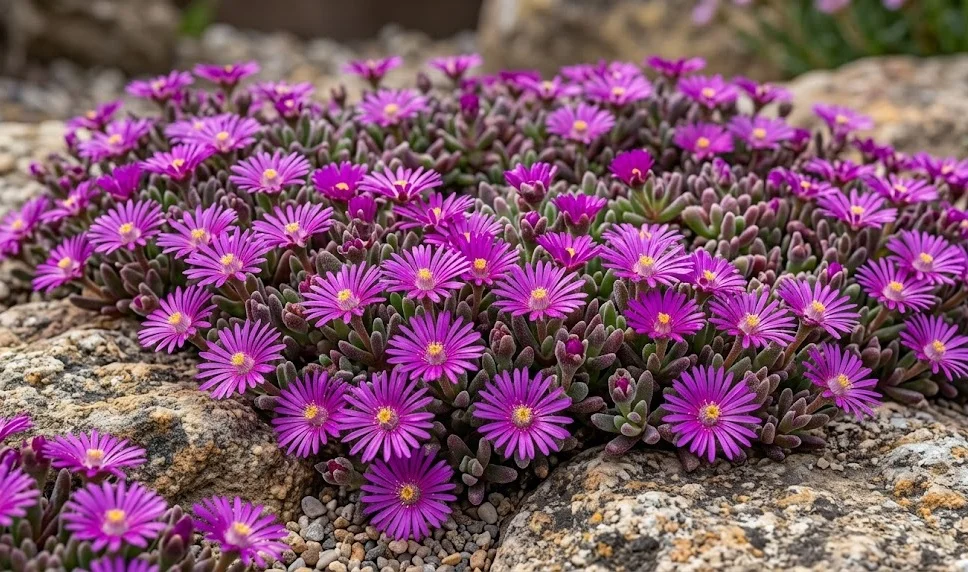

Achieving the perfect balance of moisture and nutrients is a hallmark of professional succulent management and directly influences the plant’s resilience and floral output. You must remember that these species have evolved to survive in environments where water is often scarce and the soil is naturally lean in organic matter. Over-providing either water or fertilizer can lead to soft, weak growth that is more susceptible to environmental stressors and mechanical damage. By adopting a “less is more” philosophy, you allow the natural beauty and hardiness of the ice plant to shine through in your landscape.
The primary rule for watering any succulent is to allow the soil to dry out completely between irrigation sessions. You should check the moisture levels several inches below the surface to ensure that the entire root zone has had a chance to breathe. During the peak of summer, you might find that a deep watering once a week is sufficient even in hot and dry climates. Always aim the water at the base of the plant rather than the foliage to minimize the risk of fungal issues.
When the weather turns cool and the days become shorter, the plant’s demand for water drops significantly. You should reduce your watering frequency in the autumn to encourage the plant to enter its natural state of dormancy. During the winter months, natural rainfall is usually more than enough to sustain the plant, and additional irrigation can often do more harm than good. Understanding these seasonal fluctuations is the key to preventing root rot and other moisture-related problems.
Early morning is the most effective time to water your garden, as it allows any moisture on the foliage to evaporate quickly as the sun rises. You should avoid watering in the late evening, as damp conditions overnight can promote the growth of mold and mildew. Using a soaker hose or a drip irrigation system is an excellent way to deliver water directly where it is needed most. This targeted approach not only saves water but also keeps your succulent beds in peak condition throughout the year.
Navigating nutrient requirements and application
Fertilization of the hardy ice plant should be approached with caution and a focus on long-term soil health rather than quick growth bursts. You will find that these plants rarely require heavy feeding if they are grown in a soil that contains a decent mineral variety. If you feel the need to fertilize, choose a product that is specifically formulated for succulents and cacti, which typically has a lower nitrogen content. This prevents the development of excessive green foliage at the expense of those iconic purple flowers.
More articles on this topic
The best time to apply any supplemental nutrients is during the active growing season in late spring or early summer. You should only fertilize when the plant is showing signs of vigorous growth and the environmental conditions are favorable. Applying fertilizer to a dormant or stressed plant can cause chemical burns to the roots and further weaken the specimen. A single application of a balanced, slow-release fertilizer is often all that is needed for the entire year.
Liquid fertilizers should always be diluted to at least half the strength recommended on the product label for these low-demand plants. You can apply this weak solution once a month during the peak blooming period if you want to give the floral display an extra boost. Always ensure that the soil is already slightly moist before applying liquid fertilizer to prevent the concentrated minerals from damaging the root hairs. This careful approach ensures that the plant receives the benefits without the risks associated with over-feeding.
Observation is your best tool for determining if your fertilization strategy is working as intended. You should look for healthy, firm leaves and a steady production of flowers as indicators of a well-nourished plant. If the growth seems overly lush and the stems are brittle, you have likely provided too much nitrogen and should cut back immediately. Conversely, if the foliage appears yellow or stunted despite proper watering, a light feeding might be beneficial.
Soil amendments and mineral balance
Beyond standard fertilizers, the long-term vitality of your succulents can be enhanced by the thoughtful addition of soil amendments. You should consider incorporating small amounts of volcanic rock or crushed granite to provide a steady supply of trace minerals. These inorganic materials break down very slowly over time, offering a sustainable source of nutrients that mimics the plant’s natural habitat. This mineral-rich environment supports a more robust cellular structure and improves the plant’s overall hardiness.
More articles on this topic
Maintaining a neutral to slightly acidic pH is important for the optimal uptake of nutrients from the soil. You can easily test your garden soil with a home kit and make small adjustments using sulfur or lime if necessary. Most hardy ice plants are quite adaptable, but staying within the ideal range ensures that they don’t encounter any nutrient blockages. A professional gardener always looks at the chemistry of the soil as the foundation for everything that happens above ground.
Organic matter, such as compost, should be used very sparingly and only if your soil is extremely sandy or devoid of life. You should aim for a soil composition that is at least fifty percent inorganic to provide the necessary drainage and structure. Excessive organic material can hold too much moisture and release nitrogen too quickly, which we have already established as a potential problem. If you do use compost, make sure it is fully decomposed and well-incorporated into the existing soil profile.
The use of a mineral mulch not only looks great but also acts as a slow-release source of minerals as it slowly weathers. You can use different types of stone to achieve different aesthetic effects while still providing the same functional benefits to the plants. This layer also helps to regulate soil temperature, keeping the roots a bit cooler in the summer and warmer in the winter. Integrating these mineral elements into your gardening routine shows a high level of expertise and care for your succulent collection.
Managing water stress and recovery
Even with the best planning, your plants may occasionally experience periods of extreme drought or unexpected flooding. You should be able to recognize the early signs of water stress, such as a slight drooping or wrinkling of the succulent leaves. These plants are remarkably resilient and can usually recover quickly once the proper moisture levels are restored. When re-hydrating a very dry plant, provide water in small, frequent increments rather than one massive soaking to avoid shocking the system.
If you suspect that your plants have been over-watered, the first step is to stop all irrigation immediately and check the drainage. You might need to gently lift a corner of the mat to see if the soil beneath is saturated or smells of rot. In cases of severe over-watering, you may need to dig up the affected plants, trim away any mushy roots, and replant them in fresh, dry soil. This emergency intervention can often save a valuable specimen if caught early enough.
Environmental factors like wind and humidity also play a role in how quickly the soil dries out and how much water the plant needs. You should adjust your watering schedule during periods of high wind, which can significantly increase the rate of transpiration. Conversely, during humid weather, the plant will need less supplemental water as the evaporation rate decreases. Staying in tune with these subtle environmental changes is what separates a novice gardener from a true professional.
Recovery from any kind of moisture stress takes time, and you should be patient with your plants as they rebuild their strength. You will notice the leaves becoming plump and firm again as the internal water storage is replenished. Avoid the temptation to fertilize a recovering plant, as it needs to focus all its energy on root repair and water absorption. Once the plant looks healthy and shows new growth, you can resume your regular maintenance routine with a renewed sense of observation.
Water quality and irrigation efficiency
The quality of the water you use in your garden can have a cumulative effect on the health of your succulents over time. You should be aware that highly softened water often contains sodium, which can build up in the soil and eventually harm sensitive root systems. Rainwater is the best choice for all garden plants, as it is naturally soft and free of the chemicals often found in municipal supplies. If you have the space, installing a rain barrel is a sustainable way to provide the highest quality water for your landscape.
Efficient irrigation is not just about the health of the plants; it is also about being a responsible steward of natural resources. You should check your irrigation system regularly for leaks or clogged emitters that could lead to uneven watering. Designing your garden with hydrozones, where plants with similar water needs are grouped together, makes your irrigation efforts much more effective. This logical arrangement ensures that your ice plants aren’t accidentally over-watered by a system designed for thirstier species.
During periods of water restrictions, the hardy ice plant is a star performer that will keep your garden looking beautiful with very little input. You can use mulch and strategic shading to further reduce the amount of water lost to evaporation from the soil surface. Selecting drought-tolerant species is one of the most proactive steps you can take toward a more sustainable and resilient landscape. Your garden will serve as an example of how beauty and environmental responsibility can exist side by side.
Finally, remember that the goal of watering and fertilization is to support the plant’s natural life cycle, not to force it into unnatural growth. You should always err on the side of caution and observe the plant’s reactions to any changes you make in its care. The expertise you gain from watching your hardy ice plants thrive will carry over into every other aspect of your gardening journey. With a thoughtful approach to these essential tasks, your succulent carpet will remain a vibrant and healthy feature of your home for many seasons.