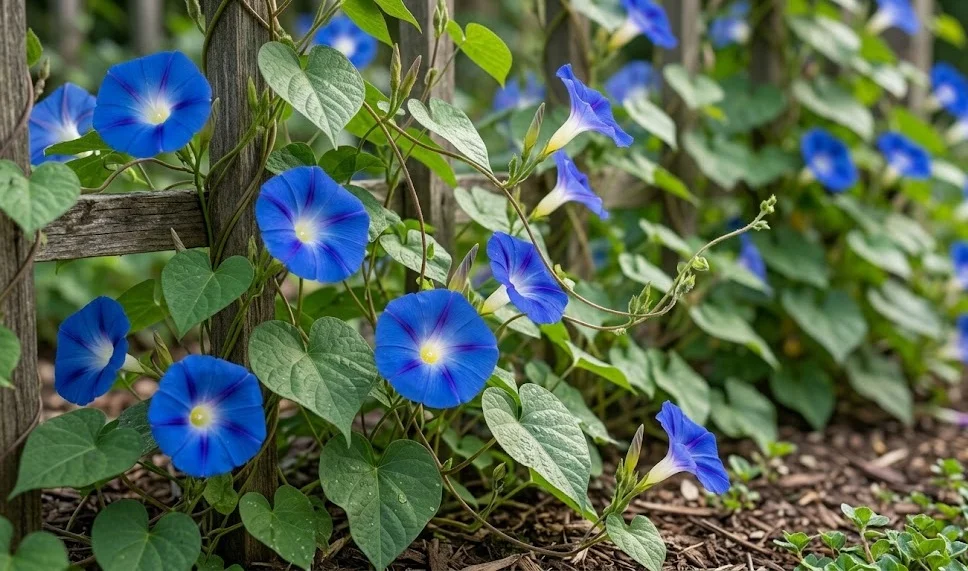

Protecting the blue morning glory from various biological threats is a critical aspect of maintaining a healthy and visually appealing garden. While these vines are generally robust and fast-growing, they are not entirely immune to the pressures of the natural world. Insects, fungi, and even viral infections can take a toll on the plant’s vitality if they are not identified and managed in a timely manner. A proactive approach to plant health is always more effective than trying to save a heavily infested or diseased specimen.
The primary key to effective pest and disease management is regular observation and early detection. Spending a few minutes each day inspecting the leaves, stems, and buds of your morning glory can reveal problems before they become widespread. Look for unusual spots, holes in the foliage, or the presence of small insects on the undersides of the leaves. The sooner you notice a change in the plant’s appearance, the more options you will have for a successful and gentle intervention.
Environmental conditions play a massive role in determining which pests or diseases are most likely to affect your vines at any given time. High humidity and poor air circulation are the perfect breeding ground for fungal spores, while dry, dusty conditions often favor certain types of mites. By understanding these relationships, the gardener can take preventative steps to make the environment less inviting for harmful organisms. Simple cultural practices like proper spacing and careful watering can go a long way in reducing the need for chemical treatments.
When a problem does arise, it is important to identify the specific culprit before choosing a method of control. Treating a fungal infection with an insecticide will do nothing but waste time and resources while the disease continues to spread. Similarly, using a broad-spectrum chemical on a minor pest problem might kill off the beneficial insects that would have otherwise kept the balance. Taking a thoughtful, targeted approach to plant protection is the hallmark of a responsible and expert gardener who values the health of the entire ecosystem.
Identifying common insect pests
Aphids are among the most frequent visitors to the blue morning glory, often clustering on the tender new growth and flower buds. These tiny, soft-bodied insects feed by sucking the sap from the plant, which can lead to distorted leaves and a general loss of vigor. They also excrete a sticky substance known as honeydew, which can attract ants and provide a surface for the growth of black sooty mold. A strong blast of water from a garden hose is often enough to dislodge these pests without the need for harsh chemicals.
More articles on this topic
Spider mites are another common challenge, especially during the hot and dry months of mid-summer. These microscopic pests are hard to see with the naked eye, but their presence is often announced by fine webbing and a stippled, yellowed appearance of the leaves. If left unchecked, a severe mite infestation can cause the foliage to turn brown and fall off prematurely, significantly weakening the vine. Increasing the humidity around the plant and using insecticidal soaps can help to keep these resilient pests under control throughout the season.
Caterpillars and various types of beetles may also find the large, lush leaves of the blue morning glory to be an attractive food source. While a few holes in the foliage are usually not a major concern for a vigorous vine, a large population of hungry larvae can quickly defoliate a young plant. Hand-picking these larger pests is a highly effective and environmentally friendly way to manage them if you catch them early. If the problem is more widespread, biological controls like Bacillus thuringiensis (Bt) can target specific pests while leaving other insects unharmed.
Whiteflies are occasionally a problem in more sheltered or humid areas, where they can be seen flying in a small cloud when the plant is disturbed. Like aphids, they suck sap and can weaken the plant over time while also potentially spreading viral diseases between different species in the garden. Yellow sticky traps can be a useful tool for monitoring their presence and capturing some of the adults. Maintaining good air circulation and avoiding excessive nitrogen fertilization, which produces the soft growth they love, are the best long-term strategies for prevention.
Managing fungal infections
Powdery mildew is perhaps the most recognizable fungal issue for many gardeners, appearing as a white, flour-like dusting on the surface of the leaves. This disease thrives in warm, humid conditions where the air is stagnant, and it can quickly spread across the entire vine if not addressed. While it rarely kills the plant, it can significantly reduce its aesthetic appeal and hinder photosynthesis by blocking sunlight from reaching the leaf cells. Improving airflow by thinning out some of the foliage and watering only at the base of the plant are the first lines of defense.
More articles on this topic
Leaf spot diseases, caused by various types of fungi or bacteria, manifest as dark, often water-soaked lesions on the foliage. These spots can eventually merge, causing large areas of the leaf to die and drop off, which reduces the plant’s ability to produce energy. To manage these issues, it is crucial to remove and destroy any infected leaves as soon as they are noticed to prevent the spores from spreading. Avoid overhead watering, as wet leaves are the primary way these pathogens move from one part of the plant to another.
Root rot is a much more serious condition that is almost always a result of poor drainage and over-saturated soil. The fungi responsible for root rot thrive in anaerobic conditions where the roots are weakened by a lack of oxygen. Symptoms include a sudden wilting of the plant that does not improve after watering, as the damaged roots can no longer take up moisture. Unfortunately, once root rot has become established in the main stem, the plant is often impossible to save and should be removed to prevent contamination of the soil.
Rust is another fungal disease that can occasionally affect morning glories, showing up as small, orange or reddish-brown pustules on the undersides of the leaves. This fungus requires specific environmental conditions and often lives on alternative host plants during part of its life cycle. Keeping the garden area free of weeds and debris can help to break the cycle of infection and reduce the chances of rust becoming a problem. If rust does appear, sulfur-based fungicides can be effective if used according to the manufacturer’s instructions at the first sign of the disease.
Preventative health measures
The best way to manage pests and diseases is to prevent them from ever becoming established in your garden in the first place. This starts with choosing healthy, disease-free seeds and plants from reputable sources to ensure you aren’t introducing problems into your space. Practicing good garden hygiene, such as cleaning your tools after use and removing dead plant material at the end of the season, is also vital. These simple habits reduce the number of places where pests and pathogens can overwinter and wait for the next growing season.
Crop rotation is a traditional agricultural practice that can also be applied to the home garden to help manage soil-borne issues. Avoid planting blue morning glories in the exact same spot every single year, as this allows specific pests and diseases to build up in the soil. By moving the vines to a different location each season, you force these organisms to search for a new host, which many of them will fail to do. This simple change in your planting plan can make a noticeable difference in the overall health and vigor of your garden over time.
Encouraging a diverse ecosystem in your garden is one of the most powerful and natural ways to keep pest populations in check. Predatory insects like ladybugs, lacewings, and parasitic wasps are the primary enemies of many common garden pests like aphids and mites. Planting a variety of flowering species that provide nectar and pollen will attract these beneficial allies and keep them in your garden. When the natural balance of the ecosystem is maintained, minor pest outbreaks are often resolved without any intervention from the gardener at all.
Finally, maintaining the overall health and vigor of your morning glories through proper watering and nutrition is their best defense against any threat. A stressed plant is much more attractive to pests and less able to recover from a disease than one that is thriving. Think of your care routine as building the plant’s “immune system,” allowing it to naturally resist many of the common challenges it will face. By providing the best possible growing conditions, you are giving your vines the tools they need to stay beautiful and healthy all season long.
Organic treatment solutions
When intervention is necessary, many gardeners prefer to use organic or natural treatments that have a lower impact on the surrounding environment. Neem oil is a versatile and popular choice, acting as both an insecticide and a fungicide for a wide range of common garden problems. It works by disrupting the life cycle of pests and creating a barrier that prevents fungal spores from germinating on the leaf surface. Always apply neem oil in the evening or on a cloudy day to prevent the oil from magnifying the sun’s rays and burning the leaves.
Insecticidal soaps are another effective organic option for dealing with soft-bodied pests like aphids, whiteflies, and spider mites. These soaps work by breaking down the outer shell of the insects, leading to dehydration and death upon contact. Because they only work when they are wet, it is important to ensure thorough coverage of the plant, including the undersides of the leaves. These treatments are generally very safe for humans and pets, making them an excellent choice for a family garden where children or animals might be present.
Baking soda sprays are a classic home remedy for managing powdery mildew and other minor fungal issues on the foliage. A mixture of water, a small amount of baking soda, and a drop of dish soap can help to change the pH of the leaf surface, making it less hospitable to fungal growth. While not as strong as some commercial fungicides, it can be a very effective preventative measure if used regularly during periods of high humidity. It is always a good idea to test any homemade spray on a small area of the plant first to check for any adverse reactions.
Introducing biological controls, such as beneficial nematodes or predatory mites, can provide a long-term solution for specific soil-borne or foliage-dwelling pests. These living treatments are often very targeted and will not harm other beneficial insects or pollinators in your garden. While they may take a bit longer to show results than a chemical spray, they can provide ongoing protection that lasts for the entire growing season. Using these natural allies is a key part of an integrated pest management strategy that respects the complexity of the garden environment.
Impact of environmental stress
It is important to remember that not every yellow leaf or wilted stem is a sign of a pest or a disease; sometimes, the plant is simply responding to environmental stress. Heat stress, drought, and wind damage can all cause symptoms that mimic various biological problems, leading to potential confusion for the gardener. Before reaching for a treatment, take a step back and consider if the recent weather or your watering schedule might be the true cause. Often, a bit of extra water or some temporary shade is all the plant needs to recover and return to its normal state.
Air pollution and chemical drift from nearby areas can also cause unusual damage to the delicate foliage of the blue morning glory. If you notice strange spots or distorted growth that doesn’t seem to fit the pattern of any known pest or disease, consider the possibility of external contaminants. Plants growing near busy roads or in industrial areas may be more susceptible to these types of issues than those in more rural settings. Protecting your garden with a windbreak or choosing a more sheltered location can help to minimize these types of environmental impacts.
Sunscald can occur when plants that have been grown in a shaded or indoor environment are suddenly moved into direct, intense sunlight. This appears as bleached or papery patches on the leaves where the tissue has been literally burned by the UV rays. This is why the process of “hardening off” is so important for young seedlings before they are planted out in their permanent home. While the plant will eventually produce new, sun-hardened leaves, the damaged ones will never recover and can serve as an entry point for other problems.
Finally, nutrient toxicities from over-fertilizing can cause symptoms like burnt leaf edges or strangely colored growth that can be mistaken for a disease. Excess salts in the soil can also interfere with the plant’s ability to take up water, leading to wilting even when the ground is moist. This is why it is so important to follow the recommended application rates for any fertilizer product you use in your garden. By maintaining a stable and healthy environment, you reduce the overall stress on your vines and make it much easier to identify and treat real problems when they occur.