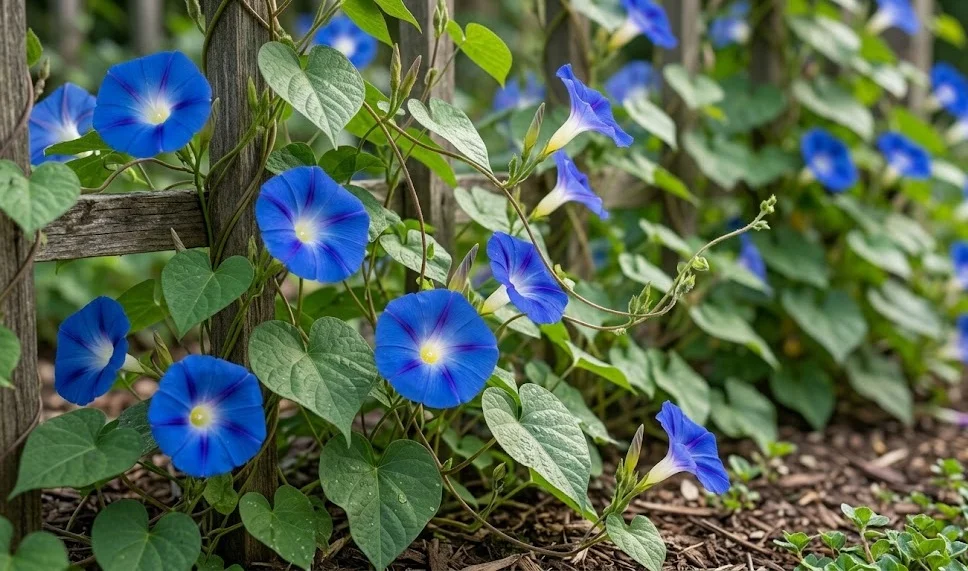

The blue morning glory is a plant that literally lives for the light, as its entire growth cycle and reproductive behavior are dictated by the sun’s movement. In its natural tropical habitat, it thrives in environments where it can climb above the canopy to reach the full intensity of the equatorial sun. For the gardener, understanding and providing for these intensive light requirements is the single most important factor in achieving a prolific and vibrant display. Without adequate light, the vine will become weak, spindly, and most importantly, it will fail to produce its signature azure blooms.
Light serves as the primary source of energy for the plant, driving the process of photosynthesis that fuels its rapid vertical expansion. Because the morning glory is an annual that must complete its entire life cycle in a single season, its energy needs are exceptionally high. Every leaf acts as a solar panel, capturing photons and converting them into the chemical energy needed for building stems, leaves, and flowers. When light is limited, the plant is forced to prioritize survival over reproduction, leading to fewer and smaller flowers that may lack the characteristic intensity of their color.
The timing of light exposure is also critical for this species, as its flowers are famous for their diurnal behavior of opening at dawn and closing by mid-day. This rhythm is triggered by the transition from darkness to light and is a finely tuned response to the specific intensity of the morning sun. If the plant is grown in a spot where it doesn’t receive direct morning light, the flowering cycle can be disrupted or significantly delayed. Observation of the garden’s light patterns throughout the day will help in selecting the most effective site for planting.
While the plant is a sun-lover, the extreme intensity of mid-summer heat can sometimes be a challenge if the light is accompanied by very low humidity. In these situations, the plant may wilt temporarily as it struggles to keep up with the rate of transpiration. However, the solution is usually more water and humidity rather than less light, as the vine still needs that solar energy to thrive. Balancing maximum light exposure with adequate environmental support is the key to a healthy and high-performing blue morning glory.
Full sun vs partial shade
To reach its full genetic potential, the blue morning glory should ideally receive at least six to eight hours of direct, unfiltered sunlight every day. This “full sun” requirement is what allows the plant to produce the massive amounts of energy needed for its vigorous climbing habit and daily floral displays. When planted in such a location, the stems will be thicker, the leaves will be more closely spaced, and the overall plant will be much more resilient to pests and diseases. The quality of the blue color in the flowers is also directly related to the amount of light the plant receives during its development.
More articles on this topic
In situations where a full sun location is not available, the plant can tolerate partial shade, but there will be noticeable trade-offs in its performance. Vines grown in less-than-ideal light will often become “leggy,” with long distances between the leaf nodes as the plant searches for more light. The foliage may be a paler green, and the number of flowers produced will be significantly lower than a plant grown in optimal conditions. While it will still grow and provide some color, it will never achieve the spectacular “wall of blue” effect that is possible in a sunny spot.
If you must plant in an area with limited light, try to ensure that the plant receives its sunshine during the morning hours rather than the afternoon. The morning sun is generally less intense and cooler, providing the necessary trigger for the flowers to open without the excessive heat stress of the late afternoon. Areas with filtered light, such as under a thin canopy of trees, can sometimes work if the light is bright and consistent throughout the day. However, deep shade should be avoided entirely, as the morning glory will likely fail to thrive and may eventually succumb to fungal issues.
When growing in containers, the gardener has the advantage of being able to move the plant to follow the sun as the seasons change. In early spring, the pot can be placed in the sunniest spot possible to encourage rapid early growth and establishment. As the heat of summer intensifies, it might be beneficial to move it slightly so that it is protected from the harshest afternoon rays while still getting plenty of light. This flexibility allows for the fine-tuning of the plant’s environment to ensure it always has exactly what it needs to perform at its best.
Morning light significance
The specific importance of morning light for the blue morning glory cannot be overstated, as it is the biological “alarm clock” for the plant’s reproductive system. The flowers of this species are highly sensitive to the increasing light intensity of the dawn, which signals them to unfurl their petals and prepare for pollination. This early start ensures that the blooms are ready when bees and other morning-active pollinators are most productive. Without this clear signal from the morning sun, the flowers may open late, inconsistently, or not at all on particularly overcast days.
More articles on this topic
Positioning the vines on an eastern or southeastern exposure is the most effective way to take advantage of this natural rhythm. This placement allows the plant to catch the very first rays of the day, maximizing its flowering time before the heat of the afternoon causes the blooms to close. It also helps to dry any dew or moisture on the leaves quickly, which is a major factor in preventing the development of fungal diseases. A plant that is bathed in early sunlight is generally a healthier and more productive plant throughout the growing season.
The intensity of the blue pigment in the flowers, often a deep celestial or sky blue, is also influenced by the quality and timing of the light it receives. Many gardeners have noticed that the first flowers of the morning often have the most vibrant and pure color, which can sometimes shift toward a more purplish hue as the day progresses. This color change is a complex response to light, temperature, and the changing pH within the petal cells as the flower matures. Providing consistent morning light helps to ensure that the plant can produce these high-quality pigments day after day.
In urban environments or small gardens, shadows from buildings or large trees can often block the morning sun for several hours. If you find that your morning glories are blooming late or poorly, check to see if something is obstructing the eastern light. Even a small adjustment in the placement of a trellis or a container can make a significant difference in the plant’s performance. By respecting the plant’s natural preference for early light, you are working with its biology rather than against it, leading to a much more successful gardening experience.
Managing light intensity issues
While the blue morning glory is a sun-loving tropical species, there are times when the intensity of the light can become a challenge for the gardener to manage. In very hot and arid climates, the combination of high UV levels and low humidity can cause the leaves to scorch or the flowers to close much earlier than usual. This is not necessarily a sign that the plant needs less light, but rather that it needs more support to handle the light it is receiving. Providing extra moisture and perhaps a light afternoon shade can help the plant stay turgid and healthy during these extreme periods.
Sunscald is a common issue for young plants that have not been properly acclimated to the intensity of the outdoor sun. This appears as bleached, papery spots on the leaves and can significantly set back the growth of a new seedling. To prevent this, always use a gradual hardening-off process when moving plants from a nursery or indoor setting to a full-sun garden spot. Once the plant has developed its mature, sun-resistant leaves, it will be much better equipped to handle the full power of the summer sun without damage.
The use of reflective surfaces, such as light-colored walls or fences, can also impact the amount of light the plant receives. While this can be beneficial in cooler climates or shaded gardens by increasing the overall light levels, it can also create “hot spots” that might be too intense in mid-summer. Monitoring the temperature of the surfaces the vines are growing against can help you identify if additional measures are needed. Sometimes, simply moving the trellis a few centimeters away from a heat-radiating wall can provide enough air circulation to keep the plant comfortable.
Finally, remember that the light requirements of the blue morning glory will shift as the seasons change and the sun’s path across the sky moves. A spot that is in full sun in June might be significantly more shaded by late August as the shadows of nearby trees lengthen. Being aware of these seasonal changes allows you to plan your garden layout more effectively and to make adjustments if the plant’s performance starts to decline. By taking a proactive and observant approach to light management, you can ensure that your morning glories remain a vibrant and glowing centerpiece of your garden.