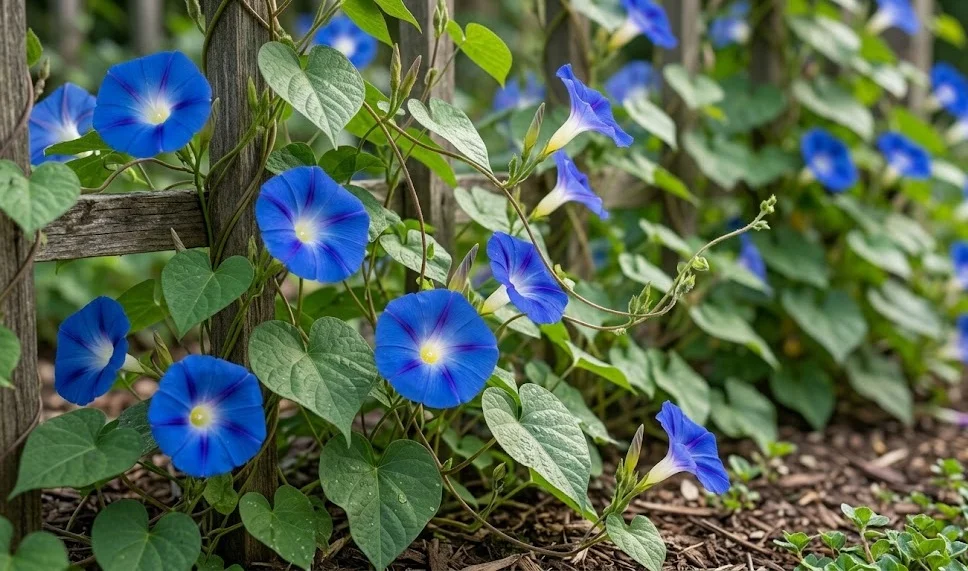

Pruning the blue morning glory is an essential practice for maintaining both the health and the aesthetic appeal of this vigorous climber. While the plant is naturally inclined to grow as much and as fast as possible, strategic intervention by the gardener can help direct that energy more effectively. Proper cutting techniques ensure that the vine remains within its intended boundaries, produces more flowers, and stays free from the clutter of dead or diseased material. Understanding when and how to prune is a key skill for anyone who wants to master the art of growing these azure beauties.
The primary reason for pruning an annual vine like the morning glory is to control its shape and density during the peak of the growing season. Without regular attention, the stems can quickly become a tangled mess that is difficult to manage and prone to air circulation issues. By thinning out some of the growth, you allow light and air to reach the interior parts of the plant, which promotes overall health and reduces the risk of fungal infections. It also allows you to highlight the most beautiful parts of the display, such as the flowers themselves, rather than just a wall of green leaves.
Deadheading, or the removal of spent flowers, is another critical aspect of pruning that directly impacts the plant’s productivity. Because the blue morning glory is an annual, its main biological goal is to produce seeds for the next generation. By removing the fading blooms before they can form seed pods, you “trick” the plant into continuing its flowering phase for a longer period. This simple task can make a noticeable difference in the number of fresh blooms you see every morning throughout the summer and into the early autumn.
Pruning is also a vital tool for responding to any health issues that may arise during the season, such as pest infestations or disease outbreaks. Removing and destroying any parts of the plant that show signs of damage can prevent a problem from spreading to the rest of the vine. It is a form of “surgical” maintenance that keeps the plant’s energy focused on its healthy tissues and promotes a more rapid recovery from stress. Always use clean, sharp tools for these tasks to ensure that you are helping the plant rather than causing additional harm through jagged or infected cuts.
Maintenance pruning
Maintenance pruning is a regular, low-impact activity that should be performed throughout the growing season to keep the blue morning glory looking its best. This involve removing any yellowed or dried leaves that naturally occur as the plant grows and prioritizes its newer foliage. Not only does this improve the visual appeal of the vine, but it also removes potential hiding spots for pests and improves the overall hygiene of the garden. A few minutes of cleanup once or twice a week is all it takes to maintain a professional-looking display.
More articles on this topic
Another part of maintenance pruning is the removal of wayward stems that are growing in the wrong direction or encroaching on neighboring plants. The blue morning glory is a fast climber and will quickly take advantage of any available support, even if it’s another valuable flower or a delicate shrub. Gently untwining these stems and redirecting them toward the trellis, or simply cutting them back, will help maintain the balance of your garden landscape. This ensures that the morning glory remains a beautiful feature rather than an invasive nuisance that overwhelms your other plants.
Lightly thinning the foliage in areas where it has become too dense can also be beneficial for the long-term health of the vine. When the leaves are packed too tightly together, humidity can become trapped, creating the perfect environment for powdery mildew or other fungal diseases to thrive. By selectively removing a few stems or large leaves, you can increase the airflow through the plant and ensure that every part of the vine receives adequate light. This proactive approach to maintenance keeps the plant vibrant and reduces the need for more drastic interventions later in the season.
Always use sharp, clean bypass pruners for maintenance tasks to ensure that your cuts are clean and heal quickly. Avoid tearing the stems or using dull tools, as this can create ragged wounds that are more susceptible to infection and take longer for the plant to repair. Wiping your blades with a bit of rubbing alcohol between plants is also a good practice to prevent the accidental spread of any unnoticed diseases. By treating your morning glories with care and precision, you are fostering a healthier and more resilient garden environment for all your plants to enjoy.
Structural shaping
Structural shaping is a more deliberate form of pruning that is used to define the overall form and growth pattern of the blue morning glory on its support. This process often begins when the plant is still young, by selecting the strongest main leaders and encouraging them to grow in specific directions. By pinching out the tips of the young stems, you can encourage the plant to branch out, creating a bushier and more filled-out appearance from the ground up. This early intervention sets the foundation for a much more impressive and well-organized display as the season progresses.
More articles on this topic
As the vine matures, structural shaping allows you to guide it over arches, across fences, or around specific architectural features with precision. You can choose to emphasize vertical growth for a tall obelisk or encourage horizontal spreading to cover a long section of a garden wall. Regularly tying the main stems to the support with soft garden twine or specialized clips can help maintain this structure while allowing for natural expansion. The goal is to create a framework that looks both natural and intentional, enhancing the beauty of both the plant and the structure it inhabits.
In cases where the vine has reached the top of its support but still has several weeks of growing season left, you may need to perform some “top-down” shaping. Cutting back the most vigorous shoots at the top will encourage the plant to put more energy into its side branches and lower foliage, preventing it from becoming “top-heavy.” This also helps to keep the flowers at eye level, where they can be most easily enjoyed by you and your visitors. Managing the height and spread of the vine in this way ensures that it remains a perfectly scaled part of your overall garden design.
Structural pruning can also be used to create specific visual effects, such as a “fountain” of flowers or a neatly contained pillar of blue. By understanding the plant’s natural growth habits and responding to them with creative pruning, you can turn a simple vine into a true work of horticultural art. This level of detail is what separates a casual gardener from a true expert, and the blue morning glory is an excellent subject for this kind of creative expression. Don’t be afraid to experiment with different shapes and forms to find what works best in your unique garden space.
Seasonal rejuvenation pruning
As the summer progresses and the heat begins to take its toll, even a healthy blue morning glory can sometimes start to look a bit tired or “ragged” around the edges. Seasonal rejuvenation pruning is a more significant intervention that can help “re-set” the plant and encourage a final flush of vigorous growth and blooms for the autumn. This involves cutting back some of the older, less productive stems to make room for new, fresh growth from the base or lower leaf nodes. It’s a way of giving the plant a “second wind” to help it finish the season with a strong and beautiful performance.
This type of pruning is best performed in late July or early August, just as the first signs of mid-summer exhaustion begin to appear. Be careful not to remove more than about one-third of the total foliage at any one time, as the plant still needs plenty of leaf area to produce energy for its recovery. Focus on removing the oldest, most woody stems and any parts of the vine that have finished their primary flowering period. You will often be surprised at how quickly the morning glory responds to this treatment, with new green shoots appearing within just a few days.
Providing a light application of a balanced liquid fertilizer and a thorough watering after rejuvenation pruning will help support the plant during its recovery phase. The extra nutrients and moisture provide the building blocks needed for the rapid production of new leaves and flower buds. This is also a good time to check your support structures and make any necessary repairs or adjustments to ensure they can handle the new growth. By taking these steps, you can often extend the beautiful azure display of your morning glories well into the cooler days of September and October.
Finally, remember that the ultimate form of rejuvenation pruning is the complete removal of the vines at the very end of the season. Once the first hard frost has finished the plant’s annual cycle, cutting the entire vine back to the ground is a necessary task for garden hygiene. This prevents the dried material from becoming a harbor for pests and prepares the site for the next generation of plants in the spring. Reflecting on the results of your pruning efforts throughout the year will help you become a more skilled and confident gardener with each passing season.