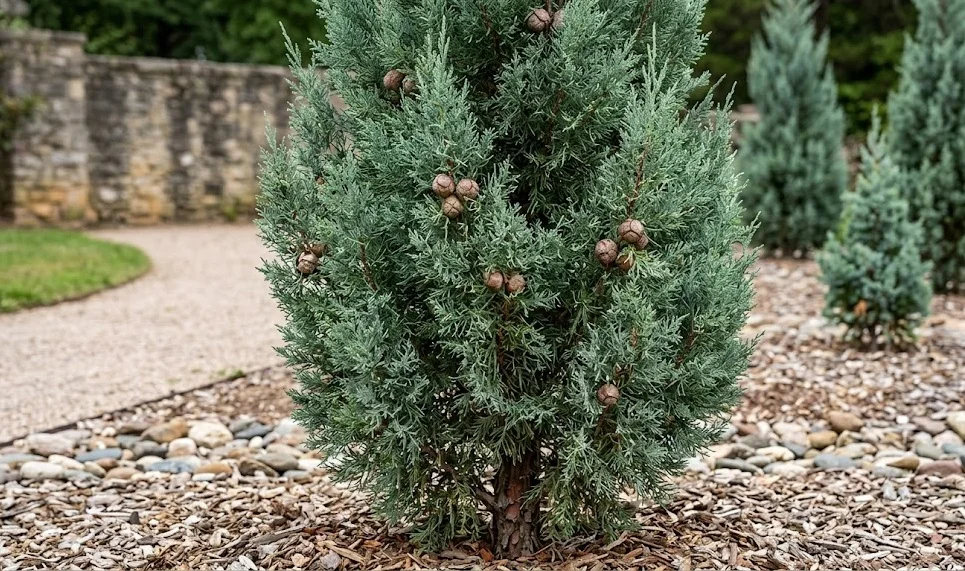

The Arizona cypress is generally a very robust and healthy tree, but like all living things, it can be subject to various diseases and pest infestations. In many cases, these issues are a secondary response to environmental stress, such as drought, poor drainage, or physical damage. By maintaining the overall health of the tree through proper watering and site selection, you can prevent many common problems before they ever take hold. However, it is still essential for every gardener to be able to identify the most frequent threats and know how to manage them effectively to protect their landscape investment.
Fungal infections are among the most common diseases that affect the Arizona cypress, especially in climates that are more humid than its native range. These pathogens often thrive in damp conditions where air circulation is poor, attacking the needles, branches, or even the main trunk. Identifying these issues early is critical, as fungal spores can spread quickly through a dense canopy if left unchecked. Simple preventative measures, such as proper spacing and pruning to improve airflow, are often the most effective ways to keep these diseases at bay.
Pests can also target the Arizona cypress, ranging from tiny aphids that suck sap from the needles to larger wood-boring insects that can compromise the tree’s structure. Some of these pests are mostly an aesthetic nuisance, causing minor discoloration or honey-dew deposits, while others can be life-threatening if they go unnoticed. Regular inspections of the foliage and bark are the best defense against these unwanted visitors. By catching an infestation in its early stages, you can often manage it with minimal intervention or targeted treatments that don’t harm the rest of your garden.
Environmental stressors can sometimes create symptoms that look exactly like a disease or a pest problem, leading to confusion during diagnosis. Factors like “winter burn,” salt damage from nearby roads, or even herbicide drift can cause the needles to turn brown or drop prematurely. It is important to look for patterns—if the damage is only on one side of the tree or only at the tips, it may be an environmental issue rather than a biological one. Understanding the difference is the first step in providing the correct care and helping the tree recover as quickly as possible.
Common fungal pathogens and needle blight
One of the most frequently encountered fungal issues for the Arizona cypress is Seiridium canker, which causes sunken, discolored patches on the branches. As the fungus grows, it eventually girdles the branch, cutting off the flow of nutrients and causing the foliage beyond the canker to turn brown and die. You may also notice small droplets of resin oozing from the affected areas as the tree tries to defend itself. Pruning out infected branches several inches below the visible damage is often the best way to stop the spread of this particular pathogen.
More articles on this topic
Needle blight is another fungal concern that can cause significant aesthetic damage and weaken the tree over time. This condition often starts on the lower, inner branches where the air is more stagnant and moisture lingers after rain or dew. You might see small black spots on the needles followed by a general browning and premature shedding of the foliage. Improving air circulation by thinning out nearby vegetation or adjusting your irrigation to avoid wetting the needles can help reduce the incidence of blight in your garden.
Root rot is a more serious fungal disease that is almost always caused by poor drainage and excessively wet soil. Pathogens like Phytophthora thrive in waterlogged conditions, attacking the delicate feeder roots and eventually moving into the main root system. A tree suffering from root rot will often show a general decline in vigor, with needles turning a dull yellow or gray and growth coming to a complete halt. Unfortunately, once root rot is advanced, it can be very difficult to save the tree, making prevention through proper site selection absolutely vital.
Managing fungal diseases often involves a combination of cultural practices and, in some cases, the targeted use of fungicides. Removing and destroying any infected plant material is a key step in reducing the “inoculum” or the amount of fungal spores present in the area. If a tree is particularly valuable or if the disease pressure is high, you might consider applying a copper-based fungicide as a preventative measure during the periods when the pathogens are most active. Always follow the label instructions carefully and remember that healthy trees are naturally more resistant to fungal attack.
Identifying and managing cypress aphids
Cypress aphids are small, soft-bodied insects that can sometimes be found clustering on the young shoots and needles of the Arizona cypress. They feed by piercing the plant tissue and sucking out the sap, which can cause the foliage to turn yellow or become distorted. While a few aphids are usually not a major problem for a healthy tree, large populations can cause significant stress and even some dieback on individual branches. One of the most obvious signs of an aphid infestation is the presence of sticky “honeydew” on the needles and the black sooty mold that often grows on it.
More articles on this topic
Ants are often seen running up and down the trunk of a tree that has aphids, as they actually “farm” these insects for the sweet honeydew they produce. If you see significant ant activity, it is a good idea to take a closer look at the foliage for signs of aphids or other sap-sucking pests. You can often manage a small aphid problem simply by using a strong stream of water from a garden hose to knock them off the branches. This physical removal is often enough to keep the population in check without the need for chemical treatments.
Ladybugs and lacewings are natural predators of aphids and can do an excellent job of managing infestations if their populations are supported in your garden. Avoiding the use of broad-spectrum insecticides will help protect these beneficial insects, allowing them to provide free pest control for your cypress. In cases where the aphid population is overwhelming the tree, you might consider using an insecticidal soap or a horticultural oil. These products work by suffocating the insects on contact and have a lower impact on the environment than more aggressive chemical options.
Timing is important when managing aphids, as they tend to be most active during the mild temperatures of spring and early summer. Regularly checking the new growth during these periods will help you catch any issues before the population explodes. If you do use a treatment, make sure to achieve thorough coverage of the foliage, as aphids often hide on the undersides of the needles or deep within the canopy. With a little vigilance and a focus on natural balance, you can easily keep cypress aphids from becoming a significant problem in your landscape.
Wood-boring insects and trunk health
Wood-boring insects, such as certain types of beetles, can be a more serious threat to the Arizona cypress because they attack the structural integrity of the tree. These pests are often attracted to trees that are already weakened by drought, disease, or physical injury, as their natural defenses are lower. The larvae of these beetles tunnel through the inner bark and wood, disrupting the flow of water and nutrients and potentially leading to the death of entire branches or the whole tree. Identifying an infestation early is crucial, but it can be difficult because most of the damage happens out of sight.
One of the first signs of wood borers is the presence of small, perfectly round holes in the bark, often accompanied by fine sawdust or “frass” at the base of the tree. You might also notice areas of the bark that appear loose or have been pecked at by woodpeckers searching for the larvae inside. If you suspect borers, it is important to assess the overall health of the tree and try to identify any underlying stressors that might have attracted them in the first place. Keeping your cypress well-watered during droughts is one of the best ways to prevent these pests from gaining a foothold.
Managing wood-boring insects is challenging because once the larvae are inside the wood, they are protected from most surface treatments. Systematic insecticides, which are absorbed by the tree and move through its vascular system, are sometimes used by professionals to target these hidden pests. However, these treatments can be expensive and may have broader environmental impacts, so they should be used judiciously. In many cases, the best course of action is to prune out and destroy any infested branches to prevent the beetles from completing their life cycle and spreading to other trees.
Maintaining a healthy trunk is the best defense against borers and other wood-damaging issues. Avoid making unnecessary wounds in the bark with lawnmowers or weed trimmers, as these create perfect entry points for both insects and disease-causing fungi. If a branch does break or need to be removed, make clean cuts at the branch collar to allow the tree to seal the wound as quickly as possible. By protecting the physical integrity of the trunk and primary branches, you are creating a strong barrier that most wood-boring pests will find difficult to overcome.
Environmental stressors mimicking disease
Sometimes, an Arizona cypress can look like it’s sick when it’s actually just responding to unfavorable environmental conditions. “Winter burn” is a common example, occurring when cold winds and bright sun cause the needles to lose moisture while the ground is frozen and the roots cannot replace it. This results in the tips of the needles turning brown or reddish-bronze, usually on the side of the tree most exposed to the wind. While it looks alarming, most trees will grow out of this damage once the spring weather arrives and new growth begins.
Salt damage is another environmental issue that can mimic the symptoms of disease, particularly for trees planted near roads that are treated for snow and ice. Salt spray can directly damage the needles, leading to browning and dieback on the side of the tree facing the road. High levels of salt in the soil can also interfere with the tree’s ability to absorb water, causing symptoms that look like chronic drought stress. If you suspect salt damage, flushing the soil with plenty of fresh water in the spring can help leach the excess salt away from the root zone.
Herbicide drift from nearby agricultural fields or even your own lawn care can also cause unusual growth patterns or discoloration in the Arizona cypress. Evergreens are particularly sensitive to certain types of weed killers, which can cause the new growth to become twisted, stunted, or bleached in color. If the damage appears suddenly after a neighbor has treated their lawn, it is a strong possibility that chemicals are the culprit. Unfortunately, there is little you can do for herbicide damage other than keeping the tree well-watered and waiting to see if it can recover on its own.
Understanding the history of your site and the recent weather patterns is essential for an accurate diagnosis of any tree problem. If all the trees in a particular area are showing similar symptoms, it is much more likely to be an environmental issue than a pest or disease that only targets one species. Taking a step back and looking at the big picture will help you avoid unnecessary treatments and focus on the real cause of the tree’s distress. Often, the best “medicine” for an environmentally stressed tree is simply time and a return to favorable growing conditions.
Integrated pest management and prevention
Integrated Pest Management (IPM) is a professional approach that focuses on long-term prevention and uses a variety of methods to manage pests and diseases with the least impact on the environment. The first step in an IPM strategy for the Arizona cypress is to start with a healthy tree in the right location, as a vigorous specimen is much less likely to suffer from major issues. Regular monitoring allows you to catch problems early when they are easiest to manage with mechanical or biological methods. This proactive approach saves time and resources while promoting a more resilient garden ecosystem.
Biological control is a key component of IPM, which involves encouraging natural predators like birds, spiders, and beneficial insects to live in your garden. By providing a diverse habitat with plenty of different plant species, you create a balanced environment where pest populations are kept in check naturally. Avoiding the use of harsh chemicals that kill these beneficial organisms is vital for maintaining this natural defense system. When you do have to intervene, choosing targeted, low-impact products like horticultural oils or soaps is the preferred next step in an IPM plan.
Cultural practices, such as proper pruning, irrigation, and soil management, are the most powerful tools in your prevention arsenal. Removing dead or diseased wood promptly prevents pathogens from building up in the canopy and reduces the hiding spots for unwanted insects. Ensuring that the tree is not stressed by either too much or too little water keeps its natural immune system functioning at its peak. These simple, day-to-day care tasks are the foundation of a successful long-term health strategy for your Arizona cypress.
Education and awareness are the final pieces of the puzzle when it comes to managing the health of your trees. Staying informed about the common pests and diseases in your area allows you to be on the lookout for specific threats as they emerge. Sharing information with neighbors and local gardening groups can also help create a community-wide defense against invasive species or widespread disease outbreaks. By taking a thoughtful and informed approach to tree health, you can enjoy the beauty and benefits of the Arizona cypress for many decades to come.