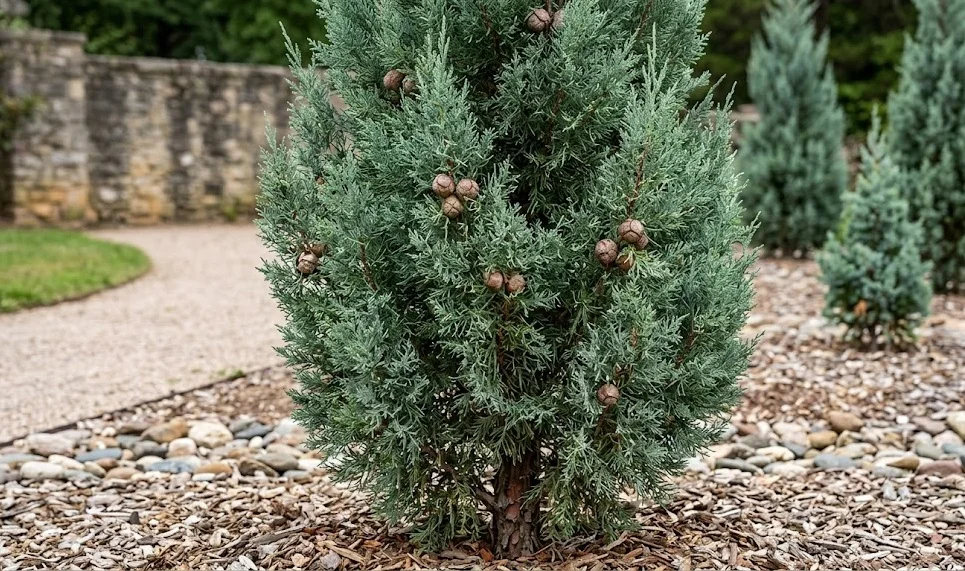

Pruning and cutting back the Arizona cypress is an essential task for any gardener who wants to maintain the tree’s shape, health, and structural integrity. While these evergreens naturally grow into a beautiful conical form, they can sometimes benefit from human intervention to correct structural flaws or manage their size. Unlike some other trees, the Arizona cypress does not respond well to aggressive “topping” or heavy pruning into old wood, making a careful and informed approach vital. By understanding the tree’s growth patterns and using the right techniques, you can enhance its natural beauty while ensuring it remains a safe and healthy part of your landscape.
The primary goal of pruning an Arizona cypress should be to support its natural development rather than forcing it into an artificial shape. This involves removing dead, damaged, or diseased wood as soon as it is noticed, which helps prevent the spread of pathogens and improves the overall appearance of the tree. You should also look for branches that are crossing or rubbing against each other, as these can create wounds that become entry points for pests. Regular, light maintenance is always better for the tree than waiting years and then attempting major corrective surgery.
Timing is a critical factor when it comes to pruning, as you want to work with the tree’s natural growth cycle rather than against it. The best time to prune most evergreens is in the late winter or very early spring, just before the new growth begins to emerge. This allows the tree to use the full energy of the spring flush to seal the pruning wounds and fill in any gaps created by the removal of branches. Avoid pruning in the late summer or autumn, as this can stimulate new growth that won’t have time to harden off before the winter frosts.
It is important to remember that the Arizona cypress, like many members of the cypress family, has a “dead zone” in its center where there are no green needles. If you prune too deeply into this area, the tree will not be able to produce new growth from the bare wood, leaving you with a permanent brown patch. Therefore, you should always limit your pruning to the outer, green parts of the branches where active buds are present. This “gentle touch” approach ensures that the tree remains lush and green while you achieve your management goals.
Timing the pruning for maximum health
Late winter, just as the coldest weather begins to break but before the buds have started to swell, is the ideal window for most pruning tasks. At this time, the tree is still dormant, which means there is less sap flowing and the risk of attracting pests to the fresh cuts is minimal. Pruning during this period also gives you a clear view of the tree’s structure without being obscured by too much new foliage. By removing unwanted wood now, you are directing all the tree’s spring energy into the branches you want to keep, resulting in a more vigorous and healthy specimen.
More articles on this topic
If you miss the late winter window, you can also perform light pruning in the early summer after the first flush of growth has finished. This is often a good time to do some “tipping” or light shaping to keep the tree’s form tidy and manage its overall size. However, you should avoid any heavy branch removal during the heat of the summer, as this can put unnecessary stress on the tree when it is already dealing with high temperatures and potential drought. Always prioritize the tree’s comfort and resilience when deciding when to pick up your pruning shears.
One situation where you should ignore the calendar is when you discover a branch that is clearly diseased or broken by a storm. In these cases, it is always better to remove the damaged wood immediately to prevent further issues, regardless of the time of year. Just make sure to use clean, sharp tools and make the cuts properly to minimize the impact on the rest of the tree. If you are pruning out diseased wood, it is essential to disinfect your tools between every cut to avoid spreading the infection to healthy parts of the cypress.
For those using the Arizona cypress as a formal hedge, you may find that you need to prune twice a year to maintain a very crisp, clean line. In this case, a light trim in early spring followed by another in mid-summer is usually the best strategy. This consistent but gentle maintenance keeps the hedge looking its best without ever requiring the kind of heavy pruning that can damage the tree’s long-term health. By being consistent with your timing, you create a predictable routine that both you and the tree can thrive on.
Techniques for shaping and aesthetic maintenance
When you are pruning for shape, always start by taking a step back and looking at the tree from several different angles. This helps you identify the overall silhouette and see where the tree might be out of balance or growing too vigorously in one direction. It is much easier to make small, incremental changes than to try and fix a major mistake later on. The goal for an Arizona cypress is usually to maintain its broad-based, conical form, which is both aesthetically pleasing and structurally sound.
More articles on this topic
To encourage a denser canopy, you can use a technique called “terminal budding,” which involves nipping off the very tips of the new growth. This removes the apical dominance of the branch and encourages the tree to produce more lateral shoots, leading to a much fuller and more opaque appearance. This is a great way to fill in sparse areas or to create a more solid screen if you are using the trees for privacy. It is a slow process that requires patience, but the results in terms of foliage density are well worth the effort.
If you need to shorten a branch, always make your cut just above a healthy, green lateral shoot or a visible bud that is pointing in the direction you want the new growth to go. This “directional pruning” allows you to guide the tree’s future development and prevent branches from growing into areas where they are not wanted. Never leave a long “stub” beyond the cut, as this wood will simply die and become a potential site for decay. A clean, angled cut just above a growing point is the professional way to ensure the tree heals quickly and looks its best.
For aesthetic maintenance, you should also focus on cleaning out the interior of the tree by removing small, dead twigs and debris that can accumulate over time. While this doesn’t change the overall shape of the tree, it significantly improves the airflow and light penetration into the center of the canopy. A “clean” interior is much less likely to harbor pests or fungal diseases, and it makes the tree look much more cared-for and healthy. This kind of detailed work is the hallmark of a truly expert gardener who understands the needs of the Arizona cypress.
Rejuvenation pruning for older specimens
As an Arizona cypress gets older, it may naturally begin to lose its lower branches or develop a more open and irregular shape. While this is a normal part of the aging process, some gardeners want to try and “rejuvenate” the tree to bring back some of its youthful vigor. It is important to have realistic expectations, as an old cypress will never look like a young sapling again, and it will not sprout new growth from old, bare wood. However, you can still improve its appearance and health through careful, targeted interventions.
Rejuvenation pruning for an older tree often involves “thinning out” the canopy rather than “heading back” the branches. By removing some of the older, less vigorous wood from the interior, you allow more light and air to reach the remaining healthy branches. This can stimulate the tree to produce more foliage on its existing green shoots, leading to a refreshed and more vibrant appearance. It is a subtle process that should be done over several years to avoid shocking the tree’s system or removing too much of its photosynthetic capacity at once.
If an older tree has become top-heavy or has developed multiple leaders that are competing for dominance, you may need to perform some structural pruning to ensure its safety. Reducing the weight at the top of the tree can help prevent it from being blown over in a storm or splitting apart during a heavy snow event. This kind of work on a large, mature tree can be dangerous and is often best left to a professional arborist who has the right equipment and experience. They can help you balance the tree’s aesthetic goals with the practical realities of its structural health.
Ultimately, the best way to avoid the need for drastic rejuvenation pruning is to provide consistent, high-quality care throughout the tree’s entire life. A tree that has been properly watered, fertilized, and lightly pruned every year will maintain its health and shape much longer than one that has been neglected. By treating your Arizona cypress as a long-term investment and giving it the regular attention it deserves, you can enjoy its majestic presence in your garden for many decades. Good pruning is not just about cutting wood; it’s about the art and science of supporting a living thing.