
Maintaining the shape and productivity of your perennials requires a consistent and thoughtful approach to pruning throughout the year. You must understand that cutting the plant is not just about aesthetics, but also about directing its energy and preventing disease. Proper pruning techniques can extend the blooming season and ensure the plant remains vigorous for many years to come. Your skill with the shears is one of the most important tools in your horticultural repertoire.
The first rule of pruning is to always use high-quality tools that are both sharp and properly sterilized before you begin your work. You should avoid tearing or crushing the plant tissue, as these ragged wounds can easily become entry points for harmful bacteria and fungi. Clean, precise cuts allow the plant to heal quickly and focus its energy on new growth rather than repairing damaged stems. Your commitment to tool hygiene is the foundation of a healthy and long-lived garden.
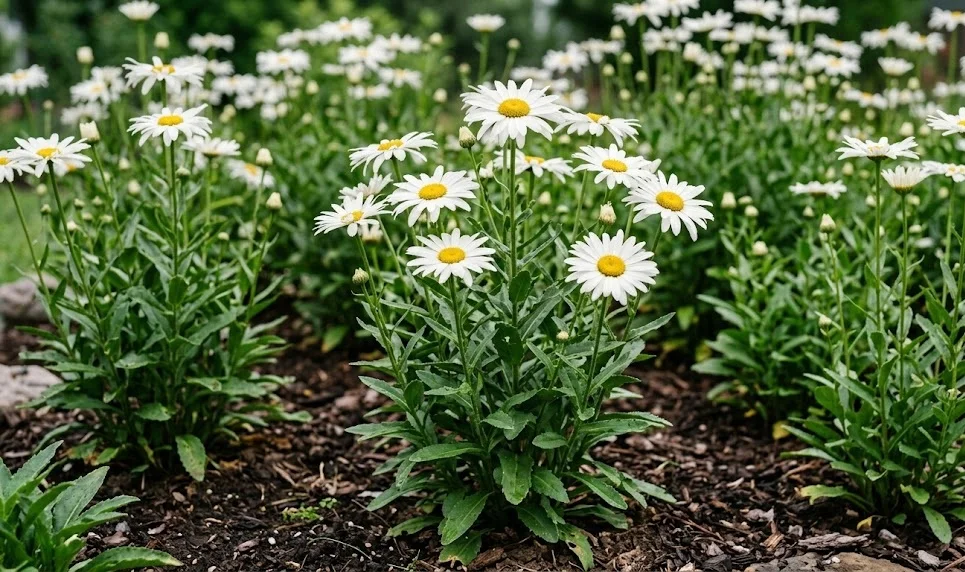
Timing is the second critical factor you must consider when you decide to cut back any part of your shasta daisies. You should know that different types of pruning are appropriate at different times of the year, depending on the plant’s growth stage. Deadheading is a constant task during the summer, while more structural pruning is usually reserved for the spring or the autumn months. Your understanding of the seasonal cycles will ensure that your pruning always supports the natural growth of the plant.
Observation of the plant’s reaction to your pruning will help you refine your technique and become a more effective gardener over time. You should look for how the plant shoots back after a cut and how the overall shape of the clump evolves throughout the season. Every variety may react slightly differently, so your personal experience in your own garden is the best guide you can have. Your dedication to learning through practice will eventually make you an expert in managing these beautiful perennials.
Deadheading for continuous bloom
Deadheading is the process of removing spent flowers before they have a chance to develop seeds and drain the plant’s energy. You should cut the flower stalk back to the first set of healthy leaves or to a new bud that is already forming lower down the stem. This simple act tells the plant to continue producing more flowers rather than focusing on reproduction through seed development. Your effort will be rewarded with a much longer and more spectacular display of white petals throughout the summer.
More articles on this topic
Regular deadheading also keeps the garden looking neat and professional by removing brown and decaying material from the floral border. You will find that the overall color and vibrancy of the clump are much higher when the old, faded flowers are gone. This practice also prevents the plant from becoming too tall and top-heavy, which can lead to the stems flopping over during a storm. Your visual enjoyment of the garden will be much greater if you stay on top of this simple task.
In addition to aesthetics, removing old flowers can also help prevent the spread of certain pests and diseases that are attracted to decaying tissue. You should inspect the spent blooms as you remove them to see if there are any signs of insect damage or fungal spores that need attention. By removing this material from the garden, you are effectively cleaning the environment and protecting the remaining healthy flowers. Your preventive maintenance will save you from having to deal with larger outbreaks later in the season.
If you want your daisies to self-seed and spread naturally, you can choose to leave a few of the final flowers of the season on the plant. You should only do this with the last flush of blooms in the late summer or early autumn so you don’t sacrifice the main summer display. The seeds will drop to the ground and may germinate in the spring, giving you free new plants to fill in any gaps in your landscape. Your control over the reproductive cycle of your plants is one of the many benefits of a thoughtful pruning strategy.
Structural pruning in autumn
As the growing season comes to an end, you should perform a more thorough pruning to prepare your perennials for the winter months. You should cut all the stems back to within a few inches of the ground after the first hard frost has killed the foliage. This removes the old, woody material and prevents it from becoming a home for overwintering pests or a source of fungal infection. Your garden will look much cleaner and more organized during the dormant winter season.
More articles on this topic
This structural pruning also reduces the physical stress on the crown of the plant from the weight of accumulated snow and ice. You should ensure that the base of the plant is clear of debris so that air can circulate around the crown even during the cold months. This prevents the rot that can occur in damp, stagnant environments and ensures a healthy return in the spring. Your preparation in the autumn is the key to a successful overwintering and a vigorous start to the next year.
While you are cutting back the stems, you should also take the opportunity to remove any diseased or damaged sections of the plant. You should dispose of this material in the trash rather than in your compost pile to prevent the pathogens from surviving and returning to your garden. This “sanitary pruning” is a vital part of maintaining the long-term health of your entire perennial collection. Your discipline in cleaning up the garden bed will pay off in a much healthier landscape for years to come.
In some regions, gardeners prefer to leave the dead stems standing through the winter to provide a bit of natural architecture and food for birds. If you choose this path, you must be prepared to do a very thorough cleanup in the early spring before the new growth begins. You should still remove any obviously diseased material in the fall to prevent it from spreading through the garden during the wet winter months. Your choice will depend on your personal aesthetic preferences and the specific needs of your local wildlife.
Rejuvenation through aggressive cutting
Every few years, you may find that your daisies have become too large, woody, or unproductive in the center of the clump. You should consider a more aggressive rejuvenation pruning or even a full division to restore the plant’s vigor and beauty. Cutting the entire plant back to the ground in the early spring can often stimulate a fresh burst of growth from the base. Your willingness to be bold with your shears can give a new lease on life to an older and tired-looking specimen.
This type of hard pruning is also useful for controlling the size of varieties that have become too large for their current location in your landscape. You should not be afraid to cut the plant back significantly if it is crowding out its neighbors or blocking a pathway in your yard. Perennials are remarkably resilient and will usually respond to aggressive pruning with even more vigorous and compact growth. Your management of the garden space will ensure that every plant has the room it needs to thrive and shine.
After a heavy rejuvenation pruning, you should provide the plant with a little extra care in the form of water and a light application of fertilizer. This gives the plant the resources it needs to quickly rebuild its canopy and produce a new crop of flowers for you to enjoy. You should also monitor the new growth for any signs of stress or pest attacks that might occur while the plant is vulnerable. Your support during the recovery phase will ensure that the rejuvenation process is a complete success.
Finally, you should remember that pruning is an ongoing conversation between you and the natural world in your unique garden setting. You should not be afraid to experiment with different techniques and timings to see what produces the best results for your specific plants. Every cut you make is a chance to learn more about how these beautiful flowers grow and respond to your care and attention. Your journey as a gardener is defined by these small, thoughtful actions that create a more beautiful and vibrant landscape for everyone to enjoy.