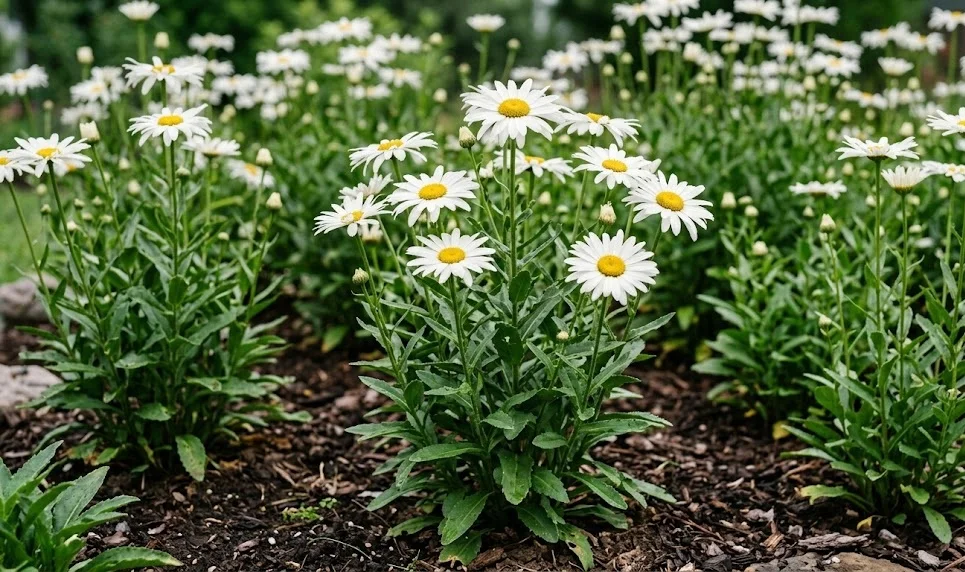

Growing these vibrant perennials requires a consistent approach to garden management throughout the growing season. You will find that these plants are relatively hardy but thrive best when their basic physiological needs are met. Many gardeners appreciate the classic aesthetic they bring to borders and cottage-style landscapes. Achieving a lush display of white petals and yellow centers depends heavily on your daily observation and care.
Regular monitoring of the foliage helps you identify potential issues before they become widespread problems. You should check the underside of leaves for any signs of discoloration or early insect activity. Maintaining a clean environment around the base of the plant prevents many common garden ailments. Your commitment to these small tasks ensures the longevity of the plant’s life cycle.
Soil moisture is a critical component that dictates the overall vigor of your flower beds. You must learn to balance hydration without creating a waterlogged environment that could rot the roots. Observations of the soil surface will tell you when it is time to intervene with manual irrigation. A consistent schedule helps the plant maintain turgor pressure and support its tall flowering stems.
Air circulation is another factor that many beginners often overlook when arranging their garden layout. You should ensure that there is enough space between individual clumps to allow wind to pass through freely. This natural ventilation reduces humidity levels and prevents the development of various mildew issues. Your plants will reward this foresight with stronger stems and more abundant floral production.
General maintenance
Maintaining the aesthetic appeal of your flowers involves more than just basic survival needs. You should regularly remove any debris or fallen leaves that accumulate around the base of the stems. This practice prevents the hiding of pests and keeps the soil surface clear for better oxygen exchange. Your attention to cleanliness will translate into a much healthier looking garden patch over time.
More articles on this topic
Supporting the taller varieties is often necessary to prevent them from flopping over during heavy rains. You can use bamboo stakes or discreet wire hoops to provide the structural integrity they might lack. This is especially important in windy areas where the long stems are prone to snapping. Your plants will look much more professional when they are held upright and organized.
Seasonal changes require you to adapt your maintenance routine to the specific weather conditions present. During the peak of summer heat, you might need to provide temporary shade or increased moisture. In the cooler months of autumn, your focus should shift toward preparing the plant for its dormant phase. These transitions are vital for the plant to store energy for the following year.
The use of organic mulch can significantly reduce the amount of manual work you need to perform. You should apply a layer of compost or bark to help regulate the temperature of the root zone. This layer also acts as a barrier against weeds that compete for valuable soil nutrients. Your garden will benefit from the slow decomposition of these materials as they enrich the earth.
Soil and site requirements
Choosing the right foundation for your plants is the first step toward achieving professional horticultural results. You should aim for a soil profile that is rich in organic matter and has a loamy texture. This type of earth provides the perfect balance between moisture retention and essential drainage. Your daisies will struggle in heavy clay or pure sand without significant amendments first.
More articles on this topic
The acidity level of your soil also plays a major role in how well nutrients are absorbed. You should ideally aim for a neutral to slightly alkaline pH level for optimal growth. If your soil is too acidic, you can incorporate lime to bring the balance back to a suitable range. Your plants will show their appreciation through darker green leaves and more robust flowering.
Drainage is perhaps the most important physical characteristic of your chosen planting site. You must ensure that water does not pool around the crown of the plant after a heavy storm. Roots that sit in stagnant water will quickly suffocate and lead to the death of the entire clump. Your success depends on providing an environment where excess moisture can escape easily.
Organic enrichment through the addition of well-rotted manure or compost is highly recommended before planting. You should mix these materials deeply into the topsoil to encourage deep root penetration. This preparation creates a reservoir of nutrients that the plant can draw upon during its growth spurts. Your efforts in soil preparation will pay dividends for many years to come.
Weed control and mulching
Managing the competition from invasive plants is a constant battle for any dedicated gardener. You should manually remove weeds as soon as they appear to prevent them from setting seeds. This proactive approach saves you from much larger infestations that can choke out your ornamental flowers. Your garden will look much neater and more intentional when the soil is kept clear.
Mulching serves as a primary defense mechanism against the germination of unwanted weed seeds. You should apply a thick layer of organic material around the base of your plants every spring. This not only suppresses weeds but also keeps the soil cool during the intense summer months. Your plants will experience less stress when they do not have to compete for resources.
There are various types of mulch you can choose from depending on your aesthetic preferences and budget. Wood chips provide a long-lasting solution, while straw or grass clippings are more temporary but effective. You should avoid piling the mulch directly against the stems to prevent rot and fungal issues. Your choice of material will influence the overall health and appearance of your garden beds.
The timing of mulch application is just as important as the material you decide to use. You should wait until the soil has warmed up in late spring before spreading the protective layer. Applying it too early can trap the winter cold in the ground and delay the awakening of your perennials. Your patience will ensure that the plants transition smoothly into their active growing phase.
Deadheading practices
The removal of spent blooms is a technique known as deadheading that every flower lover should master. You should cut the faded flower stems back to the first set of healthy leaves or buds. This process prevents the plant from wasting energy on seed production and redirects it toward new flowers. Your daisies will continue to bloom much longer into the season with this simple intervention.
Using sharp and sterilized bypass pruners is essential to prevent the spread of diseases during this task. You should make clean cuts at a slight angle to allow water to run off the wound. Ragged or crushed stems can become entry points for pathogens that might harm the plant. Your precision in pruning will contribute to the overall hygiene and health of the floral display.
Regular deadheading also improves the visual quality of your garden by removing brown and decaying material. You will notice that the plants look rejuvenated and much more vibrant after a quick grooming session. This practice also encourages a tidier growth habit and prevents the plant from becoming too leggy. Your flower beds will maintain a professional and well-cared-for appearance throughout the summer.
In addition to prolonging the blooming period, deadheading can also prevent unwanted self-seeding in your garden. You might find that daisies can become somewhat invasive if left to drop their seeds freely across the lawn. By removing the flowers before they mature, you keep the plant population exactly where you want it. Your control over the garden layout is maintained through this simple seasonal task.
Seasonal adjustments
As the seasons change, your approach to caring for these perennials must evolve to meet new challenges. You should increase your monitoring during the transition from spring to the peak of summer. The intensity of the sun can quickly dry out the soil and cause the foliage to wilt. Your ability to react to these environmental changes will determine the success of your garden.
In the middle of summer, you might notice a slight decline in the number of new flowers being produced. You can counteract this by providing a light application of balanced liquid fertilizer. This boost of nutrients helps the plant sustain its energy levels during the hottest weeks of the year. Your intervention will help maintain the color and vitality of the floral display until autumn.
When the cooler temperatures of autumn arrive, you should begin to reduce the amount of water you provide. The plant’s metabolism slows down as it prepares for the winter dormancy period that lies ahead. You should also stop fertilizing at this time to prevent new, soft growth that would be damaged by frost. Your goal is to help the plant harden off and store its resources in the roots.
The final seasonal adjustment involves a thorough cleanup of the garden bed before the first hard freeze. You should remove any diseased foliage and cut back the stems to a few inches above the ground. This prevents pests from overwintering in the dead material and reduces the risk of fungal spores. Your preparation in the fall sets the stage for a healthy and vigorous return in the spring.
Tool selection and hygiene
Using the right equipment is fundamental to maintaining a professional-grade garden and healthy plants. You should invest in a high-quality set of pruners that feel comfortable in your hand for long periods. Keeping the blades sharp is crucial because dull tools can crush the plant tissue and cause unnecessary stress. Your efficiency will increase when you use tools that are well-maintained and fit for the purpose.
Hygiene is a critical aspect of tool maintenance that many amateur gardeners often overlook or ignore completely. You should disinfect your blades with a solution of rubbing alcohol or diluted bleach after working on each plant. This simple step prevents the cross-contamination of bacteria and fungi between different parts of your garden. Your plants will remain much healthier when you treat tool cleanliness as a top priority.
Storage is another factor that influences the lifespan and effectiveness of your gardening equipment over time. You should clean off any soil or sap from the metal surfaces before putting your tools away. Storing them in a dry place prevents rust and ensures they are ready for use the next time you need them. Your investment will last much longer if you take the time to care for it properly.
In addition to cutting tools, you will also need a reliable watering can or a hose with a gentle spray nozzle. You should choose equipment that allows you to target the base of the plant without wetting the leaves excessively. This control helps prevent the development of foliage diseases that thrive in damp and humid conditions. Your precision in watering is just as important as your skill in pruning.
Long-term health strategies
The ultimate goal of any gardener is to ensure that their plants remain healthy and productive for many years. You should consider the long-term health of the soil as the primary factor in achieving this longevity. Regularly adding organic compost will improve the structure and nutrient content of the earth over time. Your plants will have a stable and rich environment that supports their natural growth cycles.
Every three to four years, you will need to divide the clumps to prevent them from becoming overcrowded. You should perform this task in early spring or late autumn when the plant is not in active bloom. Division rejuvenates the old centers of the clumps and provides you with new plants for other areas. Your garden will benefit from this renewal process, as younger plants are often more vigorous.
Observing the overall patterns of growth in your garden will help you identify when it is time for a change. You should be willing to relocate plants if their current site no longer provides the ideal conditions. Changes in the height of nearby trees or structures can alter the amount of light your daisies receive. Your flexibility in management will ensure that your landscape continues to thrive despite environmental shifts.
Final success comes from a combination of scientific knowledge and intuitive observation of the natural world around you. You should stay informed about new horticultural practices and pest management techniques that are developed by experts. Sharing your experiences with other gardeners can also provide valuable insights into local growing conditions and challenges. Your dedication to learning will make you a more effective and successful steward of your green space.