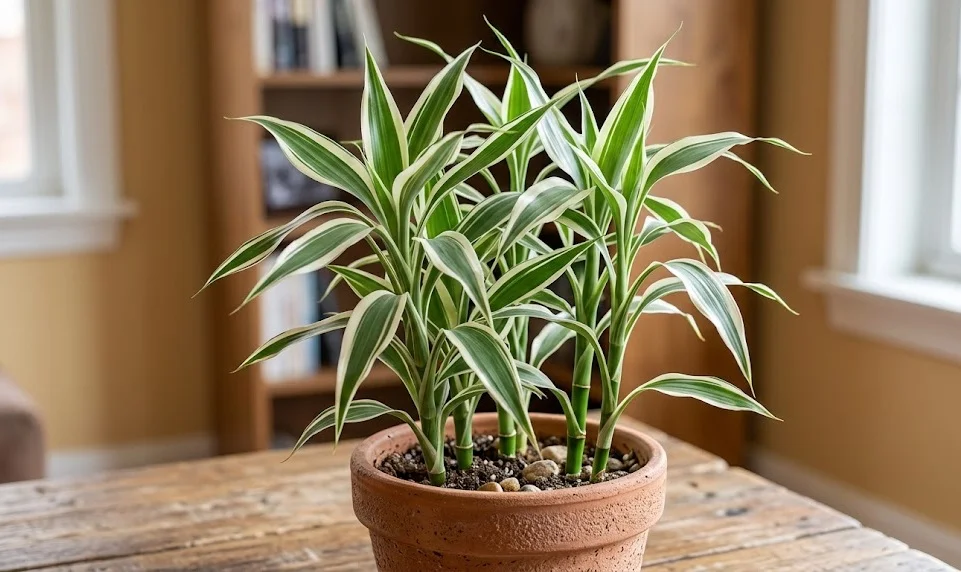

Successful cultivation starts with the proper planting technique and a clear understanding of how to expand your collection through propagation. Whether you are starting with a small nursery plant or taking cuttings from an established specimen, the initial steps are crucial for long-term health. The white-edged dragon tree is relatively easy to work with, making it an excellent candidate for both beginner and experienced gardeners. By following professional guidelines, you can ensure that your new plants establish strong root systems and vibrant foliage from the very beginning.
Before you even touch the soil, you must prepare all your tools and materials to ensure a smooth and sterile process. Using clean pots and sterilized cutting tools is non-negotiable if you want to prevent the spread of soil-borne pathogens. You should have your potting mix ready and slightly moistened so that it is easy to handle and doesn’t create excessive dust. Taking the time to organize your workspace will make the entire experience more enjoyable and successful for both you and your plants.
The planting process itself involves more than just putting a stem into some dirt and hoping for the best results. You need to consider the depth at which the plant is placed and how the roots are spread out within the container. If you plant it too deep, the stem might begin to rot, but if it is too shallow, the plant will be unstable and may tip over. Finding the perfect balance requires a steady hand and a good eye for the plant’s natural structure and balance.
Propagation is a rewarding way to share your love for gardening with friends or to fill more corners of your home with greenery. The white-edged dragon tree can be propagated through several methods, with stem cuttings being the most popular and reliable choice. Each new cutting has the potential to grow into a full-sized replica of the mother plant, carrying the same beautiful variegation. Understanding the science behind root development will help you achieve a high success rate with every attempt you make.
Selecting the right potting medium and container
The foundation of a healthy dragon tree is the quality of the substrate in which its roots are forced to grow and expand. You should avoid heavy garden soils that can become compacted and suffocate the roots over time in a container environment. Instead, opt for a professional-grade potting mix that includes ingredients like perlite, vermiculite, or coarse sand for better drainage. This type of airy mixture allows the roots to breathe while still holding onto the necessary amount of moisture for hydration.
More articles on this topic
When choosing a container, the material can influence how quickly the soil dries out and how stable the plant remains. Terracotta pots are porous and allow the soil to breathe, which is excellent for preventing overwatering issues in humid climates. On the other hand, plastic or glazed ceramic pots retain moisture for longer, which might be better if you live in a very dry environment. Always ensure the pot is heavy enough to support the height of the plant without the risk of it toppling over as it grows taller.
The size of the pot is just as important as the material, as an oversized container can lead to many physiological problems. If there is too much soil around the roots, it will take a long time to dry out, increasing the risk of root rot and fungal growth. You should generally choose a pot that allows for about two inches of space between the root ball and the sides of the container. This provides enough room for growth for at least a year or two before the next repotting session is required.
Preparing the container also involves checking the drainage holes to make sure they are not blocked by debris or plastic tags. Some gardeners like to place a small piece of mesh or a coffee filter over the holes to keep the soil from washing out while still allowing water to flow through. This keeps your plant area cleaner and ensures that the drainage system remains functional for the duration of the plant’s stay in that pot. A well-prepared pot is the first step toward a thriving and healthy indoor specimen.
The step-by-step planting process
Once you have your materials ready, start by placing a layer of fresh potting mix at the bottom of the container. You should measure the height of the root ball against the pot to ensure that the top of the roots will sit just below the rim. This leaves enough space at the top for watering without the water overflowing and making a mess on your floor. Gently firm the bottom layer of soil so that the plant has a stable base to sit on as you fill in the rest.
More articles on this topic
Remove the dragon tree from its original nursery pot by turning it sideways and squeezing the sides of the container gently. Never pull the plant out by its stem, as this can cause significant damage to the connection between the roots and the trunk. If the plant is stuck, you can use a dull knife to circle the inside edge of the pot to loosen the root ball. Once the plant is free, take a moment to inspect the roots for any signs of health or potential issues like rot or pests.
Position the plant in the center of the new pot and begin filling the empty spaces around the sides with your prepared potting mix. Use your fingers or a small trowel to gently push the soil down, making sure there are no large air pockets left behind. You want the soil to be snug but not so compacted that it prevents the roots from growing or the water from draining. Aim to fill the pot until the soil level is even with the original soil line of the plant’s previous container.
The final step in the planting process is to give the plant a thorough watering to help settle the soil and eliminate any remaining air gaps. You should see water running out of the drainage holes, which confirms that the drainage system is working as intended. Place the newly planted tree in a spot with bright, indirect light and avoid fertilizing it for at least a month while it adjusts. Proper planting gives the dragon tree the best possible start in its new home and promotes vigorous future growth.
Propagation through stem cuttings
Propagating your white-edged dragon tree is a simple process that can be done during the active growing season. You will need a healthy, mature stem from which you can take a cutting that is at least four to six inches long. Use a sharp, sterilized knife or pruning shears to make a clean cut just below a leaf node, as this is where the new roots will emerge. Removing the lower leaves from the cutting will prevent them from rotting and will focus the plant’s energy on root production.
You have two main options for rooting your cuttings: placing them directly into water or using a moist rooting medium like perlite or soil. Water propagation is very popular because it allows you to see the roots as they develop, which is both exciting and informative. Simply place the base of the cutting in a glass of filtered water and change the water every few days to keep it fresh and oxygenated. Once the roots are about two inches long, the cutting is ready to be transitioned into a permanent pot with soil.
If you choose to root your cuttings in soil, using a rooting hormone can help speed up the process and increase your chances of success. Dip the cut end of the stem into the hormone powder or gel and then insert it into a small pot filled with a light, airy mix. Keep the soil consistently moist but never soggy, and you may want to cover the pot with a plastic bag to create a mini greenhouse. This high-humidity environment prevents the cutting from drying out before it has a chance to grow its own roots.
It usually takes several weeks for a cutting to develop enough roots to support itself and start producing new foliage. During this time, keep the cuttings in a warm spot with plenty of bright, indirect light, but avoid direct sun which can be too intense. You can check for root development by giving the cutting a very gentle tug; if you feel resistance, it means the roots are beginning to take hold. Patience is essential during propagation, as every plant develops at its own unique pace depending on the conditions.
Caring for young plants and new starts
Once your propagated cuttings have established a healthy root system, they require a bit more attention than mature specimens. The young roots are delicate and can be easily damaged by overwatering or by allowing the soil to dry out completely. You should maintain a consistent moisture level that is slightly higher than what you would provide for an older, more established dragon tree. Using a smaller pot for these new starts is also beneficial because it prevents the soil from staying wet for too long.
Lighting is particularly important for young plants as they need plenty of energy to fuel their rapid early growth. While they still need protection from direct sunlight, they should be placed in the brightest spot available in your home. If the light is too low, the new leaves will be small and the stems may become weak and elongated as they reach for the sun. Proper light exposure ensures that the variegation on the leaves remains vibrant and clearly defined from the very start.
Avoid using full-strength fertilizers on young plants, as their tender roots can be easily burned by high concentrations of salts. Instead, wait until you see several inches of new growth before you begin a very diluted feeding schedule during the summer months. Organic fertilizers are often a better choice for young starts because they release nutrients more slowly and are less likely to cause chemical damage. As the plant grows and matures, you can gradually increase the strength and frequency of your fertilization routine.
Monitoring for pests is even more critical for young plants, as an infestation can quickly overwhelm a small specimen before it has a chance to recover. Check the undersides of the leaves and the growth points regularly for any signs of unwanted visitors. If you spot anything suspicious, treat it immediately with a gentle insecticidal soap or simply wash the pests away with a stream of water. With the right start and attentive care, your propagated dragon trees will soon grow into beautiful, healthy additions to your indoor garden.