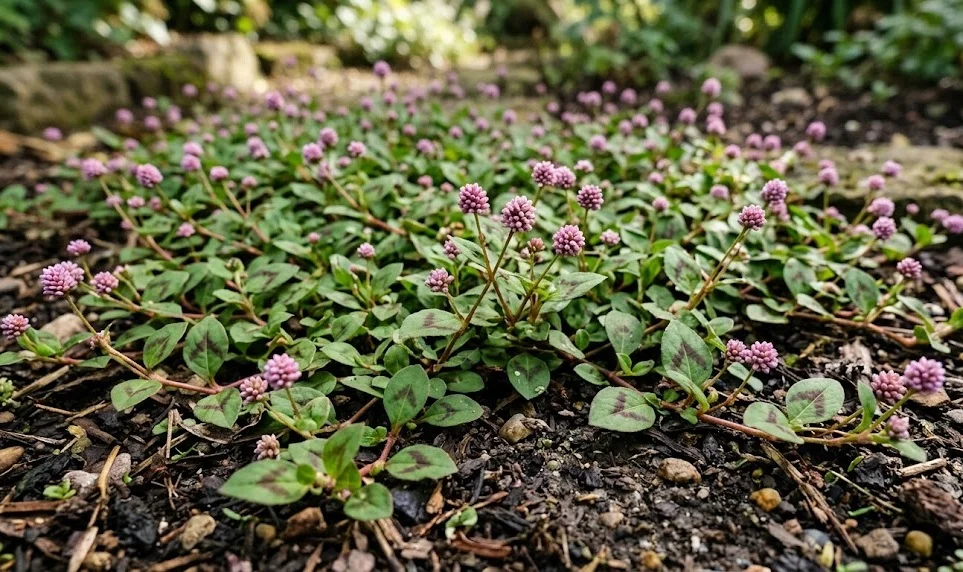

Maintaining the health of pink knotweed requires a proactive approach to identifying and managing potential biological threats. While this plant is generally robust and less prone to issues than many other perennials, it is not entirely immune to the pressures of nature. In a professional garden setting, keeping a close eye on the foliage and root systems is essential for preventing small problems from becoming major outbreaks. Understanding the specific pests and diseases that affect this species will help you maintain a flawless groundcover all year long.
Identifying and managing fungal issues
Fungal diseases are the most common health problems you are likely to encounter when growing pink knotweed, especially in humid climates. Powdery mildew is a frequent visitor that appears as a white, flour-like dusting on the surface of the leaves. This fungus thrives in conditions where there is high humidity but little direct rainfall on the foliage. While it rarely kills the plant, it can significantly detract from its ornamental value by making the leaves look grey and stunted.
To manage powdery mildew, focus on improving air circulation around the plants by avoiding overcrowding and excessive shading. If the infection is severe, you can use a professional-grade fungicide or a simple mixture of water and potassium bicarbonate. Applying these treatments in the early morning ensures they can work effectively before the sun becomes too intense. Removing and destroying heavily infected leaves can also help slow the spread of the spores to healthy parts of the patch.
Leaf spot is another fungal condition that can cause small, dark lesions to appear on the bronze-tinted foliage. These spots may eventually merge, causing entire leaves to turn yellow and drop off prematurely. This issue is often exacerbated by overhead watering that leaves the foliage wet for extended periods, especially overnight. Switching to a drip irrigation system or watering only at the base of the plant can significantly reduce the incidence of leaf spot.
If you notice a sudden collapse of a section of the mat, you might be dealing with a soil-borne fungus like Pythium or Rhizoctonia. These pathogens attack the stems at the soil line, causing them to rot and turn mushy. This is almost always a sign of poor drainage or overwatering in heavy soil conditions. Improving the soil structure and reducing the watering frequency are the best long-term solutions for preventing these devastating root and stem rots.
More articles on this topic
Preventing root rot in stagnant conditions
Root rot is perhaps the most serious threat to pink knotweed, as it directly attacks the plant’s ability to take up water and nutrients. Because this plant is often used as a dense groundcover, it can create a humid microclimate near the soil surface that encourages rot. The first sign of root rot is often a general decline in vigor, followed by the wilting of the leaves even when the soil is wet. Once the roots have turned black and slimy, the plant is usually beyond saving.
Prevention is the most effective strategy when it comes to managing root rot in a professional landscape. Always ensure that the planting site has excellent drainage and that you are not planting in a naturally boggy area. If you are working with heavy clay soil, consider planting the knotweed on a slight mound or incorporating plenty of grit to facilitate drainage. These simple structural adjustments can make a world of difference in the plant’s long-term survival.
Over-mulching can also contribute to root rot by trapping too much moisture against the crown of the plant. While mulch is beneficial for weed suppression and moisture retention, it should never be piled up directly against the stems. Leave a small gap of a few centimeters around the base of each plant to allow the air to circulate freely. This simple step keeps the crown dry and reduces the chances of opportunistic fungi taking hold.
If you suspect root rot is starting to develop in a small area, you should act quickly to prevent it from spreading. Dig up the affected plants and inspect the roots, discarding any that are clearly diseased or rotting. You may need to replace the soil in that specific spot with a fresh, well-draining mixture before replanting healthy specimens. Reducing the watering schedule for the entire patch will help the remaining plants stay healthy and resistant to the fungus.
More articles on this topic
Common insect pests and their mitigation
While pink knotweed is not a primary target for many common garden pests, it can occasionally be bothered by sap-sucking insects like aphids. These tiny green or black bugs tend to congregate on the tender new growth at the tips of the runners. They feed on the plant’s juices, which can cause the leaves to become distorted or curled. A heavy infestation can also lead to the growth of sooty mold on the sticky “honeydew” that the aphids excrete.
Aphids are generally easy to control using a strong stream of water from a garden hose to physically knock them off the plant. For more persistent problems, insecticidal soap or neem oil can be applied to the affected areas with great success. These treatments are best used in the late afternoon to avoid burning the leaves in the hot sun. Encouraging natural predators like ladybugs and lacewings in your garden provides a long-term, biological solution to aphid control.
Slugs and snails can also be a nuisance, particularly during wet weather or in gardens with plenty of hiding places. They are attracted to the succulent foliage of the knotweed and can leave large, ragged holes in the leaves overnight. While a few holes won’t harm a large patch, a major slug population can quickly ruin the look of a container-grown specimen. Using organic slug pellets or setting up beer traps are effective ways to manage these slimy intruders.
In some regions, Japanese beetles or other leaf-eating insects might take an interest in your knotweed during the mid-summer months. These pests can skeletonize the leaves, leaving only the veins behind and giving the plant a scorched appearance. Hand-picking the beetles in the early morning when they are sluggish is a simple and effective control method for smaller gardens. For larger areas, you may need to look into more comprehensive pest management strategies suited to your local environment.
Biological and integrated pest management
Adopting an Integrated Pest Management (IPM) approach is the most professional and sustainable way to handle pest issues in any garden. This strategy involves monitoring your plants regularly and only intervening when the pest population reaches a level that causes significant damage. By allowing a small number of pests to exist, you provide a food source for beneficial insects that keep the ecosystem in balance. This natural harmony reduces the need for harsh chemical treatments that can harm pollinators and soil life.
Creating a diverse garden environment is the best way to attract the “good bugs” that will protect your pink knotweed. Planting a variety of flowers that bloom at different times of the year ensures that predatory insects always have a reason to stay in your yard. Birds also play a crucial role in pest control, as they regularly forage through groundcovers for insects and larvae. A bird-friendly garden is often a pest-free garden, or at least one where the damage is kept to a minimum.
When a pest problem does require intervention, always start with the least toxic option first. Physical barriers, such as copper tape for slugs or fine netting for larger insects, can be very effective without using any chemicals at all. If a spray is necessary, choose products that are target-specific and have a low impact on non-target species. Always read the label carefully to ensure the product is safe for use on Persicaria species and other nearby plants.
Keeping your knotweed healthy through proper watering and fertilization is actually your best defense against pests and diseases. A stressed plant is much more attractive to insects and more susceptible to infections than a thriving one. By providing the right environmental conditions, you strengthen the plant’s natural immune system and its ability to recover from minor damage. Professional gardening is as much about prevention and support as it is about problem-solving.
General health monitoring and sanitation
Regular inspections are the foundation of any successful plant health program in a professional setting. Take a few minutes each week to walk through your garden and look closely at the foliage and stems of your pink knotweed. Early detection of a new pest or a developing fungus makes treatment much easier and more effective. Look for changes in color, unusual spots, or signs of insect activity on both the tops and bottoms of the leaves.
Sanitation is another critical component of disease management that is often overlooked by amateur gardeners. Always clean your pruning shears and other tools with a disinfectant between uses, especially if you have been working on a diseased plant. This prevents you from accidentally spreading pathogens from one part of the garden to another. Removing fallen leaves and other organic debris from the center of the knotweed patch also helps keep the environment clean and less conducive to disease.
In the autumn, a thorough cleanup of any dead or dying foliage can prevent many diseases from overwintering in the garden. If you have had a problem with a specific fungus or pest during the year, do not add the affected plant material to your compost pile. Instead, bag it up and dispose of it in the trash to ensure the cycle of infection is broken. Starting each spring with a clean slate is one of the best things you can do for your garden’s health.
Finally, don’t be afraid to remove a plant that is clearly failing and showing signs of a contagious disease. Sometimes, the most professional thing you can do is to sacrifice a few individuals to save the rest of the patch. Replace the diseased plants with healthy ones once you have addressed the underlying cause of the problem. Maintaining a high standard of health in your pink knotweed ensures it remains a beautiful and productive part of your landscape for years to come.