
Maintaining a vibrant garden requires a deep understanding of the specific needs of each species you choose to cultivate. Pink knotweed is a versatile and resilient groundcover that can transform the aesthetic of rocky slopes or border edges with its unique foliage. This plant is particularly valued for its ability to fill gaps quickly while providing a carpet of bronze-green leaves and delicate pink blooms. To ensure it thrives in your local environment, you must adopt a consistent care routine that respects its natural growth habits.
Understanding growth habits and garden roles
Pink knotweed is primarily known for its creeping nature and its ability to establish itself in challenging terrains. It serves as an excellent solution for erosion control on slopes where other plants might struggle to take root. The dense mat it forms effectively suppresses weeds, making it a low-maintenance favorite for large-scale landscaping. Understanding how this plant interacts with its neighbors is the first step toward successful long-term care in a professional setting.
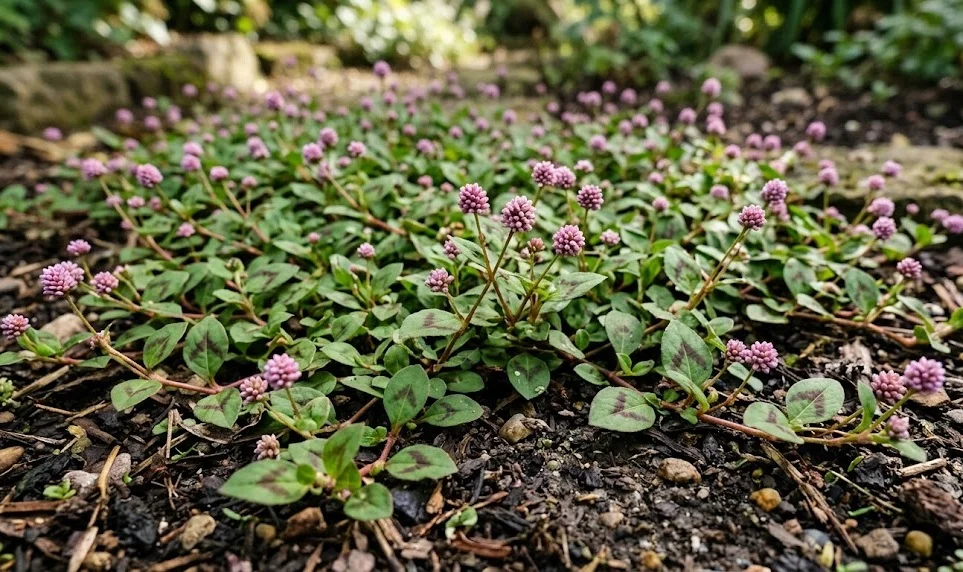
The aesthetic appeal of this species lies in its small, globose flower heads that resemble tiny pink clover blossoms. These flowers appear in abundance from late spring until the first frost, providing a long season of visual interest. The foliage itself is equally attractive, often featuring a dark chevron pattern that deepens in color when exposed to direct sunlight. Incorporating this plant into your garden design requires an appreciation for both its ornamental and functional qualities.
In many regions, this plant is treated as a perennial, though its vigor can sometimes lead to it being classified as slightly invasive if not monitored. It spreads via rooting stems that touch the ground, which allows it to cover vast areas in a single season. This rapid expansion is a double-edged sword that requires the gardener to be proactive rather than reactive. By setting clear boundaries, you can enjoy the beauty of the pink carpet without it overwhelming your delicate perennials.
As an expert gardener, you should observe how the plant responds to your specific microclimate throughout the growing year. While it is quite hardy, extreme conditions can influence its density and flowering potential significantly. Keeping a garden journal can help you track its progress and identify the best times for intervention. A well-cared-for knotweed patch acts as a living mulch that protects the soil biology beneath its leaves.
More articles on this topic
Soil quality and structural requirements
The success of your pink knotweed depends heavily on the physical and chemical composition of the soil in which it resides. While it is famously adaptable, it performs best in well-draining soil that is rich in organic matter. Soil that stays waterlogged for extended periods can lead to root issues that compromise the plant’s structural integrity. Ensuring proper aeration within the soil profile will encourage a deep and healthy root system.
If you are dealing with heavy clay soil, it is advisable to incorporate coarse sand or compost to improve the drainage capacity. This modification prevents the roots from sitting in stagnant water during the rainy season, which is crucial for preventing rot. The plant prefers a slightly acidic to neutral pH, though it can tolerate a wide range of soil conditions. Conducting a basic soil test before the growing season can provide valuable insights into necessary amendments.
In rocky or sandy environments, this knotweed proves its worth by thriving where more sensitive plants would wither. It can extract nutrients efficiently from poor soils, but it will look much more lush if given a boost of quality topsoil. The addition of organic mulch around the edges of the patch can help retain moisture during summer heatwaves. This layer also breaks down over time, naturally enriching the soil without the need for heavy chemical intervention.
Compaction is another factor that can limit the spread and health of your groundcover. In areas with high foot traffic, the soil may become too hard for the rooting stems to penetrate effectively. Lightly turning the soil at the edges of the planting area can facilitate easier expansion for the new runners. By maintaining a friable soil structure, you ensure that the plant can continue its natural rejuvenating cycle every year.
More articles on this topic
Managing the seasonal lifecycle
The lifecycle of pink knotweed follows a predictable pattern that aligns with the warming and cooling of the seasons. In early spring, new growth emerges from the base of the plant as the soil temperature rises. This is the period when the plant is most focused on establishing a strong leafy foundation for the coming months. Providing a gentle boost of nutrients at this stage can set the tone for a prolific flowering season.
As summer progresses, the plant shifts its energy from foliage production to the development of its signature flower heads. You will notice a steady increase in the number of blooms as the days get longer and the light intensity increases. This is the peak of its ornamental value, and the plant will likely require the most attention regarding hydration. Monitoring the health of the leaves during the hottest weeks will prevent the plant from entering a dormant state prematurely.
Autumn brings a shift in the color palette as the foliage often takes on deeper red and bronze tones. This transition is a natural response to shorter days and cooler nights, signaling the plant to prepare for dormancy. The flowering will gradually slow down, though many plants continue to produce small blooms until the arrival of heavy frost. This late-season color is highly valued for adding warmth to the garden as other plants begin to fade.
Winter care involves managing the remains of the top growth, which will typically die back in colder climates. In milder regions, the plant may remain semi-evergreen, retaining some of its low-growing foliage throughout the year. Understanding these regional variations allows you to plan your garden maintenance schedule more effectively. Proper cleanup in late winter ensures that the new spring growth has plenty of space and light to emerge.
Strategies for containment and spacing
One of the most critical aspects of caring for pink knotweed is managing its enthusiastic growth rate. Without proper containment, it can easily creep into lawn areas or smother smaller, slower-growing plants. Creating physical barriers, such as plastic or metal edging, can be an effective way to keep the runners in check. Regularly inspecting the perimeter of the planting area allows you to catch wandering stems before they take root.
Spacing during the initial planting phase is vital for achieving a full look without overcrowding the site too quickly. Placing individual plants about thirty to forty centimeters apart is usually sufficient to achieve total coverage within one season. If you plant them too closely, the competition for nutrients and light can lead to thinner foliage in the center. Giving each plant enough room to breathe promotes better air circulation and overall plant health.
In larger landscapes, you might choose to let the plant roam more freely to create a wilder, more naturalistic appearance. This approach works well under the canopy of large trees or on steep embankments where maintenance is difficult. However, even in these settings, it is wise to establish a “no-grow zone” to protect paths and structural elements. A sharp spade can be used once or twice a year to slice through runners and maintain the desired edge.
If the plant does become too aggressive, it is relatively easy to remove by pulling up the shallow roots. Because it spreads through surface runners, you don’t usually have to dig deep to clear an area. This makes it a much more manageable option than plants with deep, persistent taproots or underground rhizomes. Professional maintenance involves finding the right balance between the plant’s utility and its potential for overreach.
Environmental stressors and resilience
Despite its hardy nature, pink knotweed can experience stress when subjected to extreme environmental conditions. High heat combined with low humidity can cause the leaves to curl or develop scorched edges. While the plant is drought-tolerant once established, it will show its best colors if it isn’t pushed to its absolute limit. Providing some dappled shade during the hottest part of the afternoon can help mitigate heat stress.
Frost is the primary environmental factor that limits the growth of this species in colder zones. A light frost may only damage the tips of the leaves, while a hard freeze will kill the top growth entirely. The roots are generally much hardier than the foliage, allowing the plant to return in the spring. In areas with very harsh winters, a thick layer of mulch can provide the necessary insulation for the crown.
Salt tolerance is another interesting characteristic of this plant, making it suitable for coastal gardens or areas near treated winter roads. It can handle a moderate amount of salt spray without showing significant signs of decline or leaf burn. This resilience makes it a valuable tool for professional landscapers working in diverse geographical locations. Always rinse the foliage with fresh water if it has been exposed to exceptionally high levels of salt during a storm.
Pollution and poor air quality in urban environments rarely seem to bother this robust groundcover. It continues to thrive in city parks and roadside planters where other species might struggle with exhaust fumes and heat islands. This makes it an ideal candidate for greening urban spaces that require durable and attractive vegetation. Its ability to bounce back from physical damage, such as light trampling, further adds to its list of survival skills.
Enhancing ornamental value through care
To maximize the visual impact of your pink knotweed, you should focus on practices that encourage dense foliage and frequent blooming. A well-hydrated plant will produce larger and more vibrant leaves, creating a more lush appearance. If the plant becomes too “leggy” or sparse in the center, it may be a sign that it needs a rejuvenating trim. Encouraging new growth from the base keeps the carpet looking fresh and youthful.
Deadheading the spent flower heads is not strictly necessary for the health of the plant, but it can improve its look. Removing the old, brown globes makes room for the new pink flowers to stand out more clearly. In a large-scale groundcover application, this might be impractical, but for container specimens, it is highly recommended. The plant will naturally continue to bloom regardless of whether you remove the old flowers.
The color contrast of the leaves can be enhanced by managing the amount of light the plant receives. In full sun, the dark V-shaped markings on the leaves become much more pronounced and the bronze tints deepen. If the plant is grown in too much shade, the leaves may turn a more uniform green and the markings will fade. Professional gardeners often use this trait to create specific color patterns within a landscape design.
Finally, keeping the area around the knotweed free of debris ensures that the foliage remains the star of the show. Fallen leaves from overhanging trees should be cleared away periodically to prevent them from smothering the groundcover. This also helps to prevent the buildup of moisture that could lead to fungal issues within the dense mat. A clean and well-maintained patch of knotweed is a testament to the skill and attention of the gardener.
Long term sustainability in the garden
Pink knotweed is a sustainable choice for many gardens because it requires relatively few inputs once it is established. Its low water requirements and ability to grow in poor soil mean it doesn’t need constant pampering to look good. This fits well into modern ecological gardening practices that prioritize plants that can take care of themselves. By choosing such resilient species, you reduce the overall carbon footprint of your garden maintenance.
The plant also provides a benefit to local pollinators, as the small flowers are a source of nectar for bees and butterflies. Even though the individual flowers are small, their sheer number ensures a steady supply of food over a long period. Supporting local biodiversity is an essential part of professional gardening in the twenty-first century. Seeing your groundcover buzzing with life adds an extra layer of satisfaction to the gardening experience.
Over the years, you may find that the center of an old patch starts to lose its vigor or die out. This is a common phenomenon with many spreading groundcovers and can be easily fixed by replanting young runners into the gaps. By periodically refreshing the patch, you can maintain a consistent appearance for decades. This sustainable cycle of growth and renewal is part of the plant’s natural charm and longevity.
In conclusion, caring for this species is a rewarding endeavor that yields high visual returns for a moderate amount of effort. Whether you use it as a functional groundcover or a decorative container plant, its adaptability is its greatest strength. By following these professional guidelines, you ensure that your pink knotweed remains a healthy and beautiful part of your landscape. Consistency, observation, and a gentle hand are the keys to mastering its care.