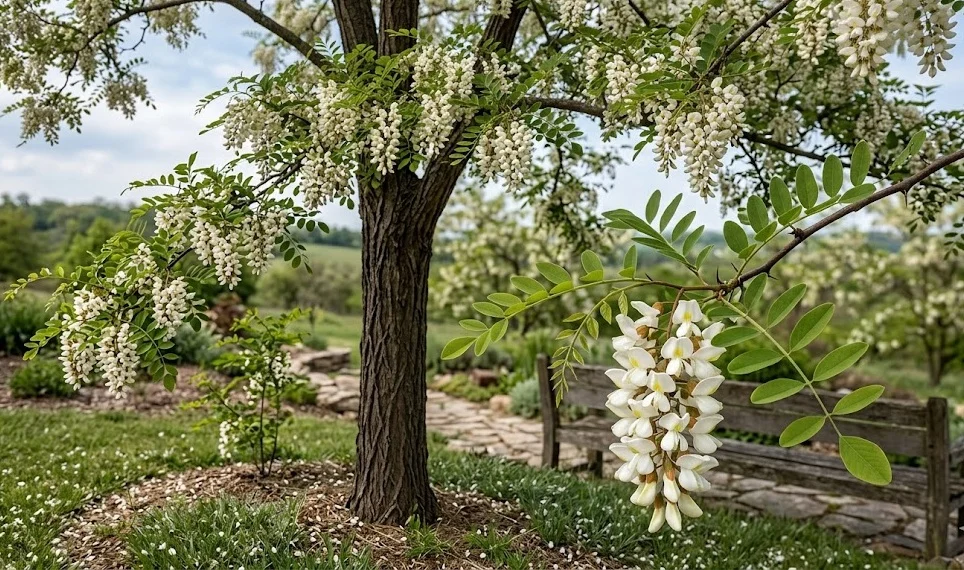

The black locust is a pioneer species that is biologically programmed to seek out and thrive in full sunlight. In its natural habitat, it is often one of the first trees to colonize open fields or disturbed areas where light is abundant. For anyone growing this tree, providing at least six to eight hours of direct sun is the most important factor for success. Without enough light, the tree will grow slowly and develop a sparse, unhealthy-looking canopy.
Maximum sunlight allows the tree to perform photosynthesis at its peak efficiency, fueling its legendary growth rate. You will notice that trees grown in open, sunny locations have much thicker trunks and more robust branch structures. The density of the wood is also positively affected by the amount of energy the tree can produce from the sun. If you want a strong, productive tree, choosing a bright and open site is absolutely non-negotiable.
The flowering of the black locust is also heavily dependent on the amount of light it receives each day. The beautiful and fragrant white blossoms are most abundant on the parts of the tree that get the most sun. In a shaded environment, the tree may produce very few flowers, or even none at all, which reduces its value for pollinators. To enjoy the full sensory experience of this tree, it must be placed where the sun can reach every branch.
If you are planting multiple trees, ensure they are spaced far enough apart so they don’t shade each other out as they grow. While they can be grown in groves, the best individual specimens are always those with plenty of space around them. As the trees mature, their canopy will spread, and you want to avoid a situation where they are competing for light. Proper spacing from the beginning ensures that each tree can reach its full genetic potential.
Managing partial shade
While the black locust strongly prefers full sun, it can survive in partial shade, although its growth will be compromised. In these conditions, the tree often becomes “leggy” as it stretches its branches upward and toward the nearest light source. This can lead to an unbalanced shape and weaker wood that is more prone to breaking in high winds. If you must plant in a less-than-ideal spot, be prepared for a tree that looks quite different from its sunny counterparts.
More articles on this topic
In a partially shaded garden, the tree may also be more susceptible to certain fungal diseases and leaf pests. This is because the leaves stay damp for longer periods after rain or dew without the drying power of the sun. Good air circulation becomes even more important in these situations to compensate for the lack of direct light. Thinning out the canopy can help get more light and air into the center of the tree.
Young saplings are slightly more tolerant of shade than mature trees, but they still need to reach the light quickly to survive. In a forest setting, a young locust that is trapped under a dense canopy will often remain stunted until a gap opens up. Once it finds a patch of sunlight, it will react with an incredible burst of growth to secure its place in the sun. This “wait and see” strategy is part of why the species is such a successful survivor.
If your property has areas with varying light levels, reserve the sunniest spots specifically for your black locust trees. Other species like maples or dogwoods are much better suited for the shadier corners of your landscape. By matching each plant to its light requirements, you create a more harmonious and healthy garden environment. Understanding the specific light needs of each tree is a hallmark of a professional gardener.
Strategic spacing for light
When planning a plantation or a large garden, strategic spacing is the best tool for managing light distribution. Professional foresters often use specific patterns to ensure that each tree gets the light it needs while also encouraging straight growth. If the trees are too close, they will only have leaves at the very top, leaving the lower trunk bare and unproductive. If they are too far apart, they may develop too many side branches, which reduces the quality of the timber.
More articles on this topic
For ornamental use, giving a black locust at least six to ten meters of space from other large trees is a good rule of thumb. This allows the sun to reach the lower branches and helps maintain a full, attractive crown all the way around. It also prevents the roots from competing too intensely for the same water and nutrients. A well-spaced tree is a healthier tree because it doesn’t have to fight its neighbors for basic survival.
In urban areas, the shadows cast by buildings and other structures must also be taken into account before planting. A spot that is sunny in the middle of summer might be in deep shade for most of the day in the spring and autumn. Use a sun-tracking app or spend a day observing the light patterns on your property before you dig any holes. This careful preparation ensures that your tree will have the energy it needs throughout the entire growing season.
If an established tree is becoming shaded by newer structures or faster-growing neighbors, you may need to take action. Pruning back the competing plants is often enough to restore the light levels that the black locust requires. In extreme cases, you may even need to remove a less desirable tree to save a high-quality locust. Prioritizing light is the key to maintaining the long-term health and beauty of this sun-loving species.