
Cultivating a thriving landscape specimen requires a deep understanding of its natural adaptations and physiological needs over time. The goldenrain tree is highly celebrated for its remarkable resilience against harsh urban conditions, atmospheric pollution, and varying soil compositions. However, achieving an optimal growth rate and a truly spectacular summer blossom display demands consistent, professional maintenance practices throughout the year. Gardeners must carefully balance environmental factors to ensure the tree establishes a robust root architecture that supports long-term structural vitality.
Young specimens require structured observation during their initial seasons to prevent common developmental setbacks. Environmental stress often manifests first in the foliage, changing its vibrant green tint to a dull, premature yellow. Regular monitoring allows arborists to adjust their cultural practices before physiological decline becomes irreversible or limits the tree’s ultimate potential. Implementing a proactive maintenance strategy guarantees that the tree remains a striking focal point in the garden across all four seasons.
Soil moisture management stands as a critical pillar in the comprehensive care framework for this particular species. While mature specimens exhibit excellent drought tolerance, newly transplanted trees rely heavily on uniform moisture distribution within the root zone. Overwatering can be just as detrimental as prolonged drought, as anaerobic soil conditions quickly lead to root asphyxiation and systemic decline. Striking the perfect balance involves monitoring soil drainage capacity and modifying application schedules based on ambient weather patterns.
Nutritional inputs should always be guided by soil analysis rather than arbitrary, uncalibrated seasonal routines. Excessively rich environments often stimulate rapid, weak vegetative growth that is highly susceptible to structural breakage and pest infestations. A balanced approach to soil enrichment supports the natural growth cadence without forcing unnatural flushes of foliage. By focusing on soil health, you naturally enhance the tree’s innate defense mechanisms against environmental stressors.
Soil management and root zone optimization techniques
The composition of the surrounding substrate directly influences the overall health and structural stability of the tree. This species exhibits a wide tolerance for varying pH levels, adapting well to both slightly acidic and highly alkaline conditions. However, the physical structure of the soil must allow for adequate aeration so that roots can access vital oxygen molecules. Heavy clay formations should be amended with organic matter to prevent compaction and improve structural permeability.
More articles on this topic
Root development is enhanced significantly when the surrounding soil profile is kept free from aggressive turf grass competition. Creating a wide, mulch-covered buffer zone around the base of the trunk reduces competition for moisture and essential micronutrients. This buffer also eliminates the risk of mechanical bark damage caused by lawn mowers and string trimmers. The decomposing mulch gradually enriches the upper soil layers, mimicking the natural nutrient cycling found in forest ecosystems.
Compacted soils restrict lateral root expansion, which can lead to a compromised anchoring system during severe windstorms. Utilizing deep-soil aeration techniques can alleviate these restrictive conditions in established urban plantings. Introducing beneficial mycorrhizal fungi during the planting or maintenance phase also enhances the root system’s surface area for absorption. These symbiotic relationships improve water uptake and maximize the efficiency of existing soil nutrients.
Subsurface drainage must be evaluated regularly, especially in areas prone to seasonal pooling or high water tables. Implementing French drains or raising the planting bed can mitigate the risks associated with waterlogged root zones. If the root system remains submerged for extended periods, the structural integrity of the entire tree can fail from the base up. Ensuring a well-drained, structurally sound soil environment forms the foundation of all advanced care protocols.
Seasonal transitions and microclimate adaptations
As seasons shift, the physiological priorities of the tree undergo significant changes that require specific management adjustments. Spring heralds a period of intense metabolic activity as buds break and new foliage begins to expand rapidly. During this phase, the tree requires unhindered access to stored carbohydrates and immediate soil moisture. Arborists should focus on monitoring early leaf development for any signs of frost damage or structural abnormalities.
More articles on this topic
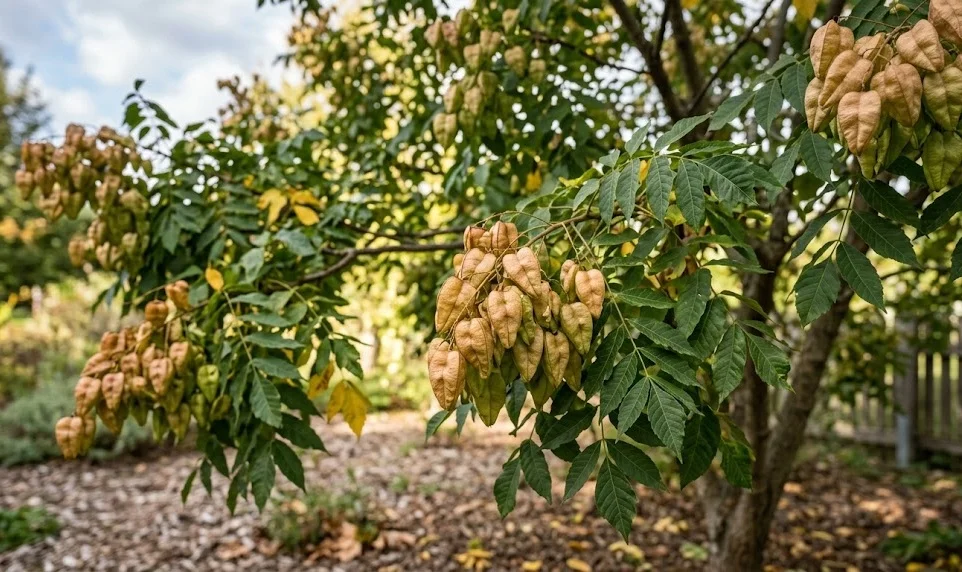
Summer brings the highly anticipated flowering period, which demands a substantial allocation of the tree’s energy reserves. The signature yellow panicles require intense sunlight to develop fully and produce the characteristic lantern-like seed pods later in the autumn. During extended heatwaves, providing supplemental hydration during the early morning hours helps maintain metabolic efficiency. This targeted support prevents premature defoliation and preserves the aesthetic value of the canopy throughout the hottest months.
Autumn represents a crucial transition period where the tree prepares for dormancy by shifting nutrients from the leaves to the woody structures. The foliage transforms into brilliant shades of yellow and orange, offering exceptional ornamental value before shedding completely. This is the ideal time to clear away fallen debris around the root zone to minimize overwintering pest populations. Reducing supplemental watering at this stage allows the wood to harden off properly before the arrival of sub-zero temperatures.
Winter care focuses primarily on protecting the physical structure of the tree from severe weather anomalies and mechanical loads. Heavy snowfall should be gently brushed from the branches to prevent structural splitting or limb breakage. The absence of foliage allows for a clear assessment of the tree’s overall architecture and skeletal health. Protecting the lower trunk from structural damage caused by foraging wildlife is also a key consideration during the colder months.
Canopy dynamics and structural integrity management
Maintaining a balanced canopy structure is vital for ensuring the physical safety and aesthetic appeal of the tree. The natural growth habit often results in a multi-stemmed form if left unguided during the early developmental years. Establishing a dominant central leader creates a much stronger skeletal framework capable of withstanding severe environmental stress. This structural training should begin immediately after the tree establishes itself in its permanent location.
Narrow crotch angles between major limbs represent a significant structural weakness that can lead to catastrophic splitting. Identifying and correcting these tight angles early prevents the formation of included bark, which naturally compromises wood strength. Removing competing branches allows the primary limbs to develop thick, stable collars at their attachment points. This careful selection process ensures optimal light penetration throughout the entire inner canopy.
Air circulation within the foliage density plays a major role in preventing microclimatic conditions that favor fungal pathogens. A dense, tangled canopy retains humidity for extended periods, creating an ideal breeding ground for spores. Thinning out weak, crossing, or inward-growing branches improves wind flow through the crown, reducing wind resistance during summer storms. This open structure also ensures that sunlight reaches the inner leaves, promoting uniform photosynthetic activity.
Regular crown assessments should be conducted to identify dead, diseased, or structurally compromised wood that poses a safety hazard. Removing these problematic sections promptly eliminates potential entry points for wood-decaying organisms. Large wounds should be clean and smooth to facilitate rapid compartmentalization by the tree’s natural healing mechanisms. Avoiding artificial wound dressings allows the tree to utilize its own sophisticated biochemical barriers effectively.
Underplanting selection and companion plant dynamics
Choosing compatible companion plants is essential for creating a harmonious micro-ecosystem around the base of the tree. The companion species must share similar cultural requirements, particularly regarding sun exposure and soil drainage characteristics. Shallow-rooted perennials or groundcovers are ideal choices because they do not compete aggressively with the tree’s root system. Avoid planting aggressive, deep-rooting shrubs that might disrupt the established root architecture of the canopy tree.
Shade tolerance is another critical factor to consider when selecting underplanting species for mature trees. The dense summer canopy creates a distinct microclimate underneath, characterized by filtered light and reduced ambient temperatures. Plants like hostas, ferns, or shade-loving ornamental grasses thrive in these protected, low-light environments. These combinations enhance the visual depth of the landscape while providing practical ground cover that conserves soil moisture.
Moisture competition must be managed carefully, especially during the establishment phase of both the tree and its companions. Utilizing drip irrigation systems allows for precise water delivery to individual plants without waterlogging the entire zone. Grouping companion plants based on their specific water needs prevents overwatering the tree’s sensitive root flares. A well-designed underplanting scheme functions as a living mulch, stabilizing soil temperatures and suppressing weed growth.
Visual harmony is achieved by contrasting the fine texture of the companion foliage with the bold, compound leaves of the tree. Spring-blooming bulbs can provide early color before the tree leafs out and casts deep shade across the bed. The changing colors of the seed pods in autumn can be complemented by late-season perennials that mirror those warm tones. This thoughtful integration elevates the entire garden space into a professionally curated ecological exhibit.
Growth anomalies and physiological disorder corrections
Arborists frequently encounter unusual growth patterns that indicate underlying physiological stress or environmental imbalances. Leaf scorch is a common issue during exceptionally hot, dry summers when water transpires faster than the roots can absorb it. This condition presents as dry, brown margins along the leaf edges, often progressing inward toward the main veins. Correcting this anomaly requires adjusting irrigation depth and applying organic mulch to stabilize root zone moisture.
Chlorosis, characterized by the yellowing of leaf tissue while the veins remain green, indicates a nutrient availability issue. This is frequently tied to highly alkaline soils that lock up essential iron and manganese molecules, making them inaccessible. Applying chelated iron directly to the soil or as a foliar spray provides a temporary remedy for this condition. For long-term correction, incorporating sulfur elemental compounds helps lower soil pH to a more favorable, balanced level.
Stunted annual growth and abnormally small foliage can signal severe soil compaction or root restriction. When roots cannot expand, the tree lacks the structural and nutritional capacity to support normal canopy development. Mechanical core aeration combined with vertical mulching can reintroduce vital oxygen and pore space into the compacted profile. Monitoring the subsequent season’s elongation provides clear evidence of whether the root remediation efforts were successful.
Epicormic sprouting, or the sudden appearance of water sprouts along the trunk and main limbs, is a classic stress response. These fast-growing, weak shoots often emerge following severe pruning, mechanical damage, or sudden environmental exposure. Removing these sprouts promptly prevents them from sapping energy away from the main structural branches. Identifying the root cause of the initial stress is essential for preventing the continuous cycle of epicormic growth.
Long-term landscape integration and sustainability
Integrating this species into a mature landscape plan requires foresight regarding its ultimate size, shape, and ecological footprint. The tree typically reaches a moderate height and spread, making it an excellent choice for urban streetscapes and residential yards. However, its proximity to permanent structures, overhead utility lines, and underground pipes must be evaluated prior to long-term placement. Providing ample space allows the canopy to develop its natural, symmetrical dome shape without constant structural interference.
The ecological contribution of this tree extends far beyond its aesthetic value within the local garden environment. The abundant summer flowers serve as a vital food source for honeybees, bumblebees, and various native pollinators when other forage is scarce. The persistent seed pods offer shelter and occasional nourishment for small birds and wildlife during the lean winter months. Embracing these natural interactions enhances the overall biodiversity and ecological resilience of the surrounding urban landscape.
Sustainability in care practices involves minimizing synthetic chemical inputs in favor of natural cultural controls. Relying on organic composts and natural mulches sustains soil fertility without disrupting the delicate soil food web. Encouraging natural predatory insects creates a self-regulating system that keeps potential pest populations below damaging thresholds. This holistic management philosophy ensures the tree remains healthy while protecting the broader environmental health of the community.
As the tree matures over the decades, its management requirements will naturally shift from intensive training to preservative care. Older specimens develop deep, extensive root systems that require very little supplemental intervention under normal weather conditions. Regular structural assessments ensure that aging limbs remain stable and safe for the surrounding area. Investing in professional care during the early years yields a magnificent, low-maintenance asset that enhances property values for generations.