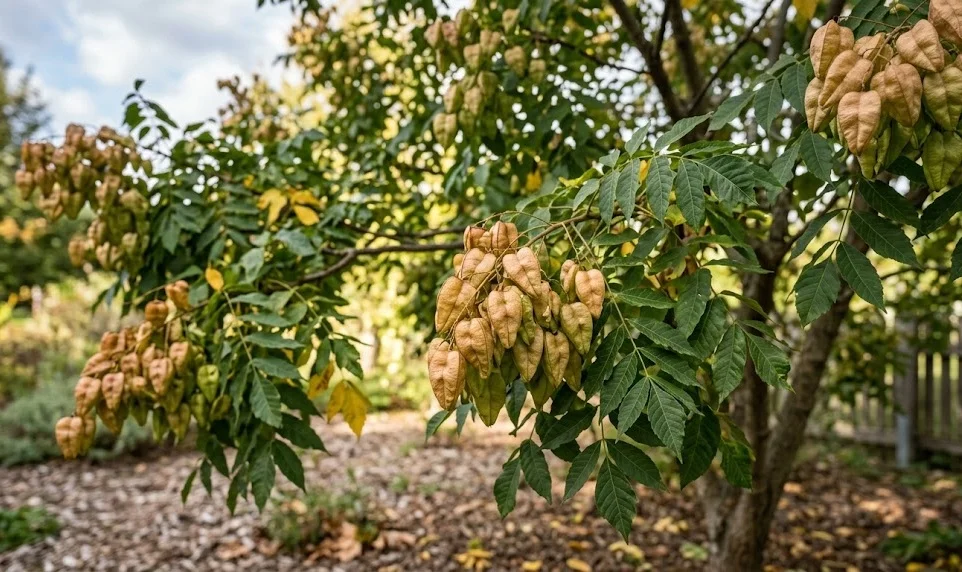

Proper hydration management during the initial two years of a tree’s life determines its long-term survival and structural resilience in the landscape. Newly planted specimens lack an extensive root network, making them entirely dependent on the moisture available within their immediate root ball. Developing a structured irrigation schedule that adapts to soil conditions prevents the twin hazards of dehydration and root suffocation. The primary goal is to deliver deep, thorough watering sessions that encourage the roots to grow deeply into the native soil profile.
The frequency of water application must be guided by close inspection of the soil rather than rigid calendar schedules. Inserting a soil moisture probe or checking the top few inches of soil manually provides accurate data on hydration needs. If the soil feels dry and crumbly, it is time to initiate a thorough, slow-release watering cycle. Delivering water slowly allows the liquid to penetrate deeply rather than running off the surface of dry ground.
During hot summer periods, young trees may require deep watering two to three times per week depending on local evaporation rates. Conversely, cool or overcast spring weather reduces the transpirational demand, allowing for longer intervals between irrigation events. Automated drip irrigation systems or specialized tree watering bags are excellent tools for delivering moisture efficiently directly to the root zone. These methods maximize water absorption while keeping the foliage dry, which minimizes the risk of leaf diseases.
As the root system begins to expand laterally beyond the original planting hole, the watering zone must expand accordingly. Apply water to the entire canopy drip line to encourage the lateral roots to spread wide and create a stable anchor. Avoid keeping the soil continuously saturated, as roots require alternating cycles of moisture and oxygen to remain healthy. Observing the tree’s physiological responses will help you fine-tune the delivery volume to match its shifting developmental needs.
Seasonal adjustments for mature tree hydration
Mature specimens possess a deep, expansive root architecture that allows them to tolerate extended periods of summer drought with remarkable ease. However, this innate drought tolerance does not mean the tree should be completely neglected during extreme weather anomalies. Providing supplemental irrigation during prolonged periods of zero rainfall prevents stress-induced canopy thinning and maintains overall vigor. The focus shifts from frequent watering to deep, infrequent sub-surface soaking during critical seasonal windows.
More articles on this topic
In early spring, as the tree awakens from dormancy, soil moisture levels should be assessed to ensure adequate resources for new growth. If winter snowfall was minimal, a deep springtime watering can help kickstart metabolic processes and support strong bud break. This early moisture boost is essential for developing the large, complex flower panicles that define the summer aesthetic of the species. Proper hydration at this stage sets the tone for the entire growing season’s performance.
When the intense heat of midsummer arrives, the tree’s water loss through transpiration reaches its annual peak performance level. If the tree experiences severe water stress during this time, it may drop leaves prematurely to conserve internal moisture reserves. To prevent this aesthetic decline, apply a deep soaking every two to three weeks during extended periods of heat and drought. Direct the water toward the outer edge of the canopy where the most active moisture-absorbing root tips are located.
During autumn, the irrigation schedule should be gradually phased down as the tree prepares to enter winter dormancy. Allowing the soil to dry out naturally signals to the tree that it is time to stop producing soft vegetative growth and harden its wood. However, a final, thorough deep watering just before the ground freezes solid is highly recommended for evergreen and deciduous trees alike. This ensures the root zone contains adequate moisture to withstand the drying effects of cold winter winds.
Nutritional requirements and macro-element balancing
Maintaining optimal soil fertility ensures the tree has access to the essential chemical building blocks required for strong cellular development. Nitrogen is the primary driver of vegetative growth, influencing leaf size, chlorophyll production, and overall canopy density. However, an overabundance of nitrogen can cause excessive elongation of weak branches that lack structural integrity. Balancing nitrogen inputs with adequate phosphorus and potassium is critical for cultivating a strong, visually appealing specimen.
More articles on this topic
Phosphorus plays an indispensable role in root development, energy transfer, and the successful formation of flowers and seeds. Adequate phosphorus levels ensure that the tree can produce an abundance of its signature yellow blossoms and subsequent lantern-like pods. Potassium, on the other hand, enhances the tree’s internal water management efficiency and strengthens its resistance to diseases and environmental stress. A balanced, slow-release fertilizer formulation ensures all three macro-elements are consistently available over an extended period.
Secondary nutrients and micronutrients, such as calcium, magnesium, iron, and zinc, must also be present in appropriate ratios. A comprehensive soil test is the only reliable method for identifying specific micronutrient deficiencies before symptoms manifest visually. Iron deficiencies are particularly common in highly alkaline urban soils, leading to lime-induced chlorosis between the leaf veins. Understanding the unique chemical properties of your specific soil type allows for precise, professional nutritional adjustments.
Organic matter incorporated into the root zone serves as a sustainable, slow-release source of complex nutrients and beneficial microbes. As compost or organic mulch decomposes, it releases balanced nutrients while simultaneously improving the soil’s cation exchange capacity. This natural process enhances the soil’s ability to retain nutrients rather than letting them leach away through heavy rainfall. Emphasizing organic soil enrichment supports a healthy soil food web that sustains the tree naturally over decades.
Application methods and timing for fertilizers
The timing of fertilizer applications is just as crucial as the specific nutrient blend selected for the tree’s care. The ideal window for applying supplemental nutrients opens in early spring just as the first signs of green growth appear. This provides an immediate nutritional boost that feeds the rapid expansion of new foliage and structural shoots. Avoid applying fertilizer late in the summer, as this can stimulate soft growth that will fail to harden off before frost.
Granular fertilizers should be distributed evenly across the entire root zone, extending slightly beyond the outer edge of the canopy drip line. Avoid concentrating the fertilizer near the base of the trunk, as this can cause chemical burning to the sensitive root flare. Scratch the granules gently into the top layer of soil or mulch to prevent them from washing away during heavy rain. Always water the treated area thoroughly immediately following application to dissolve the nutrients and carry them down into the root zone.
Deep-root feeding systems offer an advanced method for delivering liquid nutrients directly into the subsurface root environment. This technique involves injecting a pressurized nutrient solution into the soil at regular intervals throughout the canopy footprint. Deep-root feeding bypasses competing turf grass roots, ensuring the tree receives the full benefit of the application. The pressurized injection also helps break up minor soil compaction, improving aeration and water infiltration simultaneously.
Foliar feeding represents a highly targeted, short-term delivery method useful for quickly correcting acute micronutrient deficiencies. Spraying a diluted liquid nutrient solution directly onto the leaves allows for rapid absorption through the stomata. This method is particularly effective for delivering chelated iron to trees suffering from temporary chlorosis during the growing season. However, foliar applications should always be viewed as a temporary fix rather than a substitute for proper soil management.
Recognizing nutrient deficiencies and toxicities
Learning to interpret the visual signals displayed by the foliage allows arborists to diagnose nutritional imbalances before severe damage occurs. Nitrogen deficiency typically manifests as a uniform paling or yellowing of the older leaves, accompanied by slowed growth. The tree prioritizes its limited resources for new growth, leaving older foliage visually stunted and metabolistically inefficient. Correcting this requires a modest application of a balanced, slow-release nitrogen fertilizer during the next appropriate seasonal window.
Phosphorus deficiency is more difficult to diagnose visually, often presenting as dark green or purplish tints on older leaves. The tree may also exhibit reduced flowering capabilities and a weak, poorly developed root system that struggles during dry spells. Because phosphorus binds tightly to soil particles, surface applications may take a long time to reach the active root zone. Utilizing subsurface injection or working phosphate amendments into the soil profile delivers faster, more reliable results.
Nutrient toxicities occur when an excess of a specific element interferes with the tree’s physiology or blocks the uptake of other essential nutrients. Fertilizer burn, caused by excessive synthetic nitrogen or soluble salts, causes rapid browning and curling of the leaf margins. In severe cases, the chemical excess dehydrates the roots, leading to widespread canopy dieback or complete structural collapse. Flushing the soil with large volumes of clean water can help leach excess salts out of the immediate root environment.
Heavy metal toxicities or chemical contamination from urban runoff can cause distorted leaf development and unusual chlorotic patterns. Regular observation of the surrounding landscape can help identify potential external sources of soil contamination or herbicide drift. Maintaining an optimal soil organic matter percentage acts as a natural buffer, binding potential toxins and reducing their bioavailability. Regular professional soil testing remains the gold standard for monitoring the chemical health of the root zone.