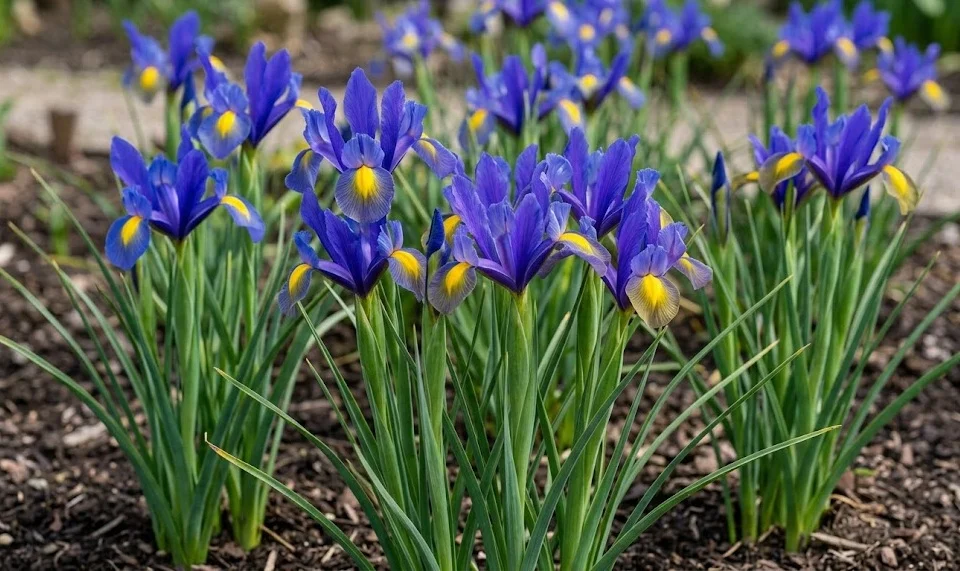

Cultivating these magnificent bulbous plants requires a deep understanding of their seasonal growth cycles and fundamental horticultural needs. These striking flowers are highly valued in both commercial floristry and domestic landscape design due to their elegant architectural form. Establishing a precise care routine guarantees that the specimens will produce vibrant, robust blooms year after year. Every professional gardener must prioritize the foundational aspects of soil preparation, moisture management, and ambient climate control.
The initial phase of care begins long before the first green shoots emerge from the earth. Horticulturists must carefully monitor the environmental conditions to prevent the underground structures from experiencing undue stress during dormancy. Maintaining a balanced ecosystem around the root zone is absolutely critical for the long-term vitality of the organism. Regular observation allows for immediate intervention if any physiological issues begin to manifest early in the season.
Routine maintenance involves a systematic approach to weeding, aerating the topsoil, and monitoring the overall plant architecture. Competitive weeds can rapidly deplete the essential macronutrients and moisture required for optimal floral development. Aerating the top layer of the substrate promotes excellent gas exchange and prevents the delicate root hairs from suffocating. Consistent attention to these daily agricultural tasks creates an environment where the floral stems can achieve their maximum potential height.
Understanding the physiological transition from active blooming to the dormant state is essential for sustainable cultivation practices. After the vibrant petals naturally fall, the green foliage continues to photosynthesize and rebuild the depleted underground energy reserves. Prematurely removing these functioning leaves will critically weaken the plant and diminish the quality of subsequent flowering cycles. True expertise is demonstrated by allowing this natural senescence process to complete entirely without premature human interference.
Optimizing soil structure
The physical composition of the planting medium directly influences the health and longevity of the underground storage organs. These specific bulbous perennials demand exceptional drainage to prevent the onset of destructive fungal root rots. Incorporating coarse horticultural sand or fine grit into heavy clay soils significantly improves the required structural porosity. A well-aerated substrate allows the growing root system to penetrate deeply and access essential minerals with maximum efficiency.
More articles on this topic
Maintaining an appropriate chemical pH level is another fundamental aspect of preparing the ideal growing environment. The soil should ideally remain neutral or slightly acidic to facilitate optimal nutrient uptake throughout the active growing phase. Periodic laboratory soil testing provides invaluable data that helps the cultivator adjust the chemical balance accurately and safely. Applying agricultural limestone or elemental sulfur can effectively correct minor imbalances before they negatively impact the crop.
Organic matter plays a vital dual role in enhancing both the nutritional profile and the physical texture of the earth. Well-rotted municipal compost introduces a steady, slow-release supply of elements essential for vigorous foliage production. This organic addition also encourages the proliferation of beneficial soil microbes that form symbiotic relationships with the root system. Care must always be taken to ensure that no fresh, uncomposted manure comes into direct contact with the sensitive basal plates.
Surface crusting must be actively managed to maintain proper aeration around the base of the newly emerging shoots. Lightly cultivating the topsoil after heavy precipitation events prevents the formation of an impenetrable physical barrier. This standard mechanical practice also disrupts the life cycles of various surface-dwelling pests before they can establish a localized colony. A loose, friable top layer ensures that subsequent irrigation efforts penetrate evenly down into the active root zone.
Managing ambient temperatures
Temperature fluctuations dictate the pace at which these plants transition through their complex developmental stages. Cool autumnal temperatures are absolutely necessary to trigger the crucial root initiation phase after the initial planting. Without this sustained chilling period, the structural foundation of the plant remains underdeveloped and highly vulnerable. Growers must carefully track regional temperature trends to optimize the timing of their agricultural interventions.
More articles on this topic
Springtime warmth accelerates the upward growth of the foliage and initiates the rapid development of the floral stalk. However, unusually sudden spikes in ambient heat can force the blooms to open prematurely and fade rapidly. Implementing strategic shading techniques during unseasonal heatwaves can significantly prolong the ornamental lifespan of the flowers. Maintaining an even, moderate microclimate around the plants consistently yields the highest quality horticultural results.
Cold hardiness varies depending on the specific microclimate and the exact depth of the original installation. While generally resilient, extended periods of deep, penetrating frost can permanently damage the cellular structure of the bulbs. Agricultural forecasting tools allow professionals to anticipate severe weather events and deploy temporary thermal protections. Understanding the specific thermal thresholds of these plants is critical for preventing catastrophic winter losses.
Soil temperature is often more critical than air temperature when managing the health of the underground organs. A thick layer of organic mulch helps to stabilize the subterranean thermal environment throughout volatile seasonal transitions. This insulation prevents the disruptive cycle of rapid freezing and thawing that can physically heave the plants from the earth. Consistent subterranean temperatures promote uninterrupted, healthy metabolic function within the dormant plant tissues.
Controlling competitive weeds
Weed management is a non-negotiable component of maintaining a high-yield, professional-grade floral display. Invasive plant species fiercely compete for the limited resources of water, light, and soluble soil nutrients. Allowing weeds to establish a foothold inevitably leads to stunted growth and visibly inferior blossom production. A proactive, zero-tolerance approach to weed eradication ensures the primary crop receives maximum environmental support.
Manual extraction remains the safest and most effective method for removing unwanted vegetation in close proximity to the stems. Utilizing specialized hand tools prevents accidental mechanical damage to the shallow root systems of the primary crop. Cultivators must ensure that the entire taproot of the invading weed is completely removed to prevent rapid regeneration. Regular, systematic manual weeding sessions keep the planting beds pristine and aesthetically professional.
Chemical herbicides should generally be avoided when cultivating these sensitive ornamental species due to the high risk of drift damage. Even trace amounts of systemic weed killers can cause severe physiological mutations in the developing foliage and flowers. If chemical intervention becomes absolutely necessary, shielded application methods must be strictly employed by certified professionals. Organic, preventative weed control strategies always provide a safer, more sustainable alternative to synthetic chemicals.
Applying a substantial layer of sterile organic mulch effectively suppresses the germination of airborne weed seeds. This protective barrier blocks the sunlight required by emerging weed seedlings, starving them before they can establish. The mulch layer also gradually decomposes, adding valuable organic carbon back into the underlying soil structure. Maintaining an unbroken weed barrier significantly reduces the manual labor required throughout the active growing season.
Monitoring seasonal growth
Vigilant observation throughout the entire growing season is the hallmark of a truly skilled and successful horticulturist. Documenting the emergence dates and growth rates provides invaluable data for optimizing future cultivation strategies. Recognizing the subtle visual differences between healthy vigor and early-stage physiological stress requires significant practical experience. Timely identification of growth anomalies allows for immediate, targeted corrective measures before irreversible damage occurs.
The rapid elongation of the floral stalk requires careful monitoring to ensure structural stability against environmental forces. In exposed locations, sudden wind gusts can easily snap the brittle stems just as the buds begin to swell. Installing unobtrusive physical support structures early in the season prevents tragic losses just prior to the blooming peak. Professional growers often utilize tensioned horizontal netting to provide uniform support across large commercial planting beds.
Monitoring the development of the foliage provides critical insights into the underlying nutritional status of the organism. Deep, uniform green coloration indicates optimal nitrogen uptake and healthy, active photosynthetic function. Discoloration, streaking, or premature yellowing serves as an immediate visual alarm signaling a potential localized nutrient deficiency. Swiftly interpreting these foliar signals enables the cultivator to apply precise, prescriptive liquid fertilization treatments.
The transition into the reproductive phase represents the most critical period of the entire seasonal cycle. The swelling buds must be protected from physical mechanical damage and aggressive localized pest infestations. Monitoring the opening sequence of the petals helps determine the absolute optimal moment for commercial harvesting. Meticulous record-keeping regarding bloom times and weather conditions helps refine the overall management strategy for subsequent years.
Preserving foliage post-bloom
The period immediately following the floral display is arguably the most misunderstood phase of the cultivation cycle. While the blossoms have faded, the vegetative structures remain highly active and biologically essential. The green leaves function as biological solar panels, converting ambient sunlight into vital carbohydrate reserves. These manufactured starches are systematically transported downward and stored within the subterranean bulb for the following year.
Resisting the aesthetic urge to cut back the declining foliage requires discipline and a commitment to plant health. Removing the green leaves prematurely starves the bulb, resulting in drastically reduced vigor and absent blooms in the subsequent season. The foliage must be allowed to transition through its complete natural cycle until it becomes entirely brown and brittle. This natural die-back process clearly indicates that the energy transfer is completely finished and the plant is dormant.
During this critical regenerative phase, maintaining adequate soil moisture remains important, though requirements slowly decrease. The actively photosynthesizing leaves still transpire water, necessitating a carefully managed, tapering irrigation schedule. Overwatering during this senescence period, however, can encourage the proliferation of opportunistic bacterial pathogens. A balanced approach to moisture management ensures maximum energy storage without risking the structural integrity of the bulb.
Once the natural desiccation process is fully complete, the dead organic material can be safely and cleanly removed. A gentle tug is usually sufficient to detach the fully spent leaves from the underlying basal plate. If resistance is felt, the foliage is still actively transferring nutrients and must be left undisturbed for a longer duration. Clearing away the completely dead debris eventually sanitizes the area and prepares the bed for the dormant season.
Long-term garden maintenance
Sustainable cultivation requires a multi-year perspective that extends far beyond a single season of vibrant blooms. Over several years, the original underground structures will naturally multiply, creating densely packed subterranean clusters. This natural proliferation eventually leads to intense localized competition for finite soil resources and physical growing space. Recognizing the symptoms of overcrowding is essential for maintaining the long-term vitality and aesthetic quality of the display.
When the volume of foliage increases significantly but the floral output diminishes, the colony requires immediate division. This rejuvenation process involves carefully excavating the entire cluster during the summer dormant period. The intertwined structures must be gently separated to minimize traumatic physical damage to the individual basal plates. Replanting these divisions immediately restores proper spacing and drastically reduces the localized competitive stress.
Soil exhaustion is another critical factor to manage in permanent, long-term landscape installations. Even with regular fertilization, the specific localized micro-nutrients can become severely depleted over multiple growing seasons. Implementing a comprehensive soil testing regimen every three years guarantees that the chemical profile remains perfectly optimized. Amending the planting site with fresh compost during the division process effectively revitalizes the entire agricultural environment.
Consistent, meticulous record-keeping acts as the ultimate tool for long-term horticultural success and continuous improvement. Documenting specific cultivar performance, disease resistance, and optimal division intervals provides a customized operational blueprint. This historical data allows the grower to make informed, highly specific decisions regarding future planting and maintenance strategies. Professional dedication to these long-term principles ensures a spectacular, reliable floral exhibition for decades.