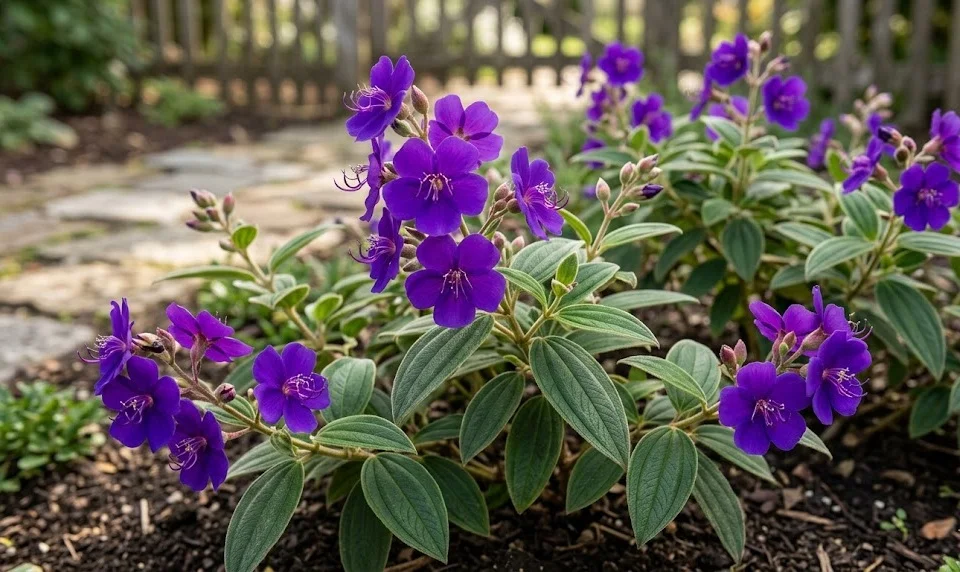

Maintaining the health of a princess flower requires a proactive approach to managing the various pests and diseases that can affect this tropical species. While it is generally a hardy plant when its basic needs are met, certain environmental conditions can make it more susceptible to attack. You should make it a habit to inspect your plants regularly, looking for the early warning signs of trouble before they become major problems. A healthy plant is its own best defense, but sometimes nature requires a helping hand from a dedicated gardener to stay on track.
Common pests are often attracted to the lush, soft growth of the princess flower, especially when it is kept in a warm and sheltered environment. You will find that these tiny invaders often hide in the most difficult places to see, such as the undersides of the leaves or deep within the flower clusters. Early detection is absolutely critical because many pests multiply rapidly and can overwhelm a plant in just a few weeks if left unchecked. Your goal should always be to identify the specific culprit so you can choose the most effective and least harmful treatment possible.
Diseases in the princess flower are frequently related to excess moisture or poor air circulation, which create the perfect conditions for fungal growth. You might notice spots on the leaves, a fuzzy coating on the stems, or a general decline in the plant’s vigor without an obvious cause. Understanding the life cycles of these pathogens will help you break the chain of infection and prevent the disease from spreading to other plants in your collection. Prevention is always more effective than treatment, so focus on creating an environment that discourages these issues from starting in the first place.
When you do encounter a problem, it is important to stay calm and follow a logical path toward a solution. Many issues can be resolved with simple changes to your care routine or with the use of natural and organic remedies that are safe for you and the environment. You should avoid jumping straight to harsh chemical sprays unless the survival of the plant is at stake and all other options have been exhausted. A thoughtful and measured response will protect the delicate balance of your garden while restoring your princess flower to its full health and beauty.
Managing common insect threats
Aphids are small, sap-sucking insects that are often found clustered on the tender new growth and flower buds of the princess flower. These pests can cause the leaves to curl and become distorted as they drain the life-giving fluids from the plant’s vascular system. You can often remove a light infestation by simply blasting them off with a strong stream of water from your garden hose. For more persistent problems, using an organic insecticidal soap or neem oil spray can effectively control the population without harming beneficial insects in your garden.
More articles on this topic
Spider mites are another frequent visitor, especially when the air is dry and the plant is slightly stressed by lack of humidity. These tiny pests are almost invisible to the naked eye, but you will notice their presence by the fine webbing they leave behind on the foliage. They cause the leaves to take on a stippled or bronzed appearance as they feed on the individual plant cells. Increasing the humidity and regularly misting the leaves can help to discourage spider mites, as they prefer dry conditions for their reproductive cycle.
Mealybugs can be identified by the white, cottony masses they form in the leaf axils and along the stems of the princess flower. These insects are masters of disguise and can hide in the smallest crevices, making them difficult to eliminate completely with a single treatment. You can use a cotton swab dipped in rubbing alcohol to manually remove individual bugs that you can see on the surface of the plant. If the infestation is widespread, a systemic treatment or repeated applications of horticultural oil may be necessary to reach the hidden members of the colony.
Whiteflies are tiny, winged insects that flutter around the plant when the leaves are disturbed and feed on the undersides of the foliage. Like aphids, they excrete a sticky substance known as honeydew, which can lead to the growth of unsightly black sooty mold on the leaves. You can manage whiteflies by using yellow sticky traps to catch the adults and applying regular treatments to target the larvae. Keeping the area around your plants free of weeds and debris can also help to reduce the population of these annoying and potentially damaging pests.
Fungal and bacterial complications
Leaf spot is a common fungal disease that manifests as dark, circular lesions on the velvety leaves of the princess flower. These spots can eventually merge, causing large sections of the leaf to turn brown and fall off prematurely. This issue is usually caused by water sitting on the leaves for too long, especially during cool nights or in high-humidity environments. To manage leaf spot, you should remove and destroy any infected leaves and improve the air circulation around the plant by spacing it further away from its neighbors.
More articles on this topic
Root rot is perhaps the most serious threat to the princess flower and is almost always a result of overwatering or poorly draining soil. The first sign of trouble is often a general wilting of the plant that does not improve even after you provide more water to the soil. If you inspect the roots, you will find they are dark, mushy, and have a foul odor instead of being firm and light-colored. Unfortunately, once root rot is advanced, it is very difficult to save the plant, so your best strategy is to focus on proper watering and soil structure from the beginning.
Powdery mildew appears as a white, flour-like coating on the surface of the leaves and stems, often during periods of warm days and cool, damp nights. While it is rarely fatal to the princess flower, it can make the plant look unattractive and reduce its ability to photosynthesize effectively. You can treat this fungal issue with a simple solution of baking soda and water or a specialized organic fungicide designed for garden use. Increasing the sunlight exposure and ensuring the leaves stay dry during watering can also help to prevent the return of this common garden nuisance.
Botrytis blight, also known as gray mold, can affect the flowers and young shoots of the princess flower during particularly rainy or humid seasons. You will see the buds turning brown and rotting before they have a chance to open, often covered in a fuzzy gray fungal growth. It is important to remove any affected plant material immediately and dispose of it in the trash rather than the compost pile. Keeping the plant’s environment as clean as possible and avoiding overhead watering will significantly reduce the risk of this disease taking hold in your garden.
Natural and organic deterrents
Building a healthy ecosystem in your garden is one of the best ways to keep pests under control without using any chemicals at all. You can attract beneficial insects like ladybugs, lacewings, and predatory mites by planting a variety of flowers that provide them with pollen and nectar. these natural allies will feed on aphids, mites, and other small pests, keeping their populations at manageable levels for you. Creating a welcoming environment for these helpers is a sustainable and effective strategy for long-term pest management in any ornamental garden.
Neem oil is a versatile organic treatment that can be used to manage both insect pests and fungal diseases on the princess flower. This oil, derived from the seeds of the neem tree, works by disrupting the growth and reproductive cycles of many common garden invaders. It also acts as a repellent, making the plant less attractive to insects looking for a place to feed or lay their eggs. You should apply neem oil in the early morning or late evening to avoid any potential leaf burn from the sun and to protect active pollinators.
Diatomaceous earth is a natural powder made from the fossilized remains of tiny aquatic organisms and can be used to control crawling insects. You can sprinkle it on the soil surface around the base of your princess flower to create a barrier against slugs, snails, and certain types of beetles. The sharp edges of the powder are harmless to humans and pets but are deadly to insects with soft bodies or exoskeletons. Be sure to reapply the powder after it rains or after you water the plant, as it only works when it is completely dry.
Companion planting is another organic technique that involves placing certain plants nearby to help protect your princess flower from pests. For example, marigolds are known to repel many soil-borne nematodes and certain flying insects with their strong scent. You can also use aromatic herbs like lavender or mint to confuse pests that use their sense of smell to find their favorite host plants. This integrated approach not only helps with pest control but also adds more beauty and diversity to your gardening space.
Corrective treatments and recovery
When you identify a problem that requires an active intervention, always start with the mildest possible treatment and observe the results before moving to stronger options. If you are using a new spray or treatment, it is a good idea to test it on a single leaf first to ensure the plant does not have an adverse reaction. Wait twenty-four hours to check for any signs of leaf burn or discoloration before applying the treatment to the entire specimen. This cautious approach will prevent you from causing more damage to an already stressed plant during the recovery process.
After you have successfully eliminated a pest or disease, your focus should shift toward helping the princess flower recover its strength and vitality. You might want to provide a light application of a balanced fertilizer to encourage new, healthy growth to replace what was lost or damaged. Ensure the plant is receiving its ideal amount of light and water, but be careful not to overcompensate and create new issues like root rot. Patience is key during the recovery phase, as it may take several weeks for the plant to look its best once again.
Pruning away any dead or heavily damaged foliage is an important part of the recovery process that also helps to prevent future issues. By removing the compromised plant tissue, you eliminate potential hiding spots for pests and reduce the chances of a secondary fungal infection. Use clean, sharp tools for all your cuts and sanitize them between different plants to prevent the spread of any remaining pathogens. This clean slate allows the plant to direct all its energy toward producing fresh leaves and vibrant flowers during the next growth cycle.
Regular monitoring should continue even after the problem seems to have disappeared to ensure that it does not return unexpectedly. Pests often leave behind eggs that can hatch weeks later, and fungal spores can remain dormant in the soil or on nearby debris for a long time. By staying vigilant and maintaining your routine of weekly inspections, you can catch any recurring issues while they are still small and easy to handle. Your consistency and dedication are what will ultimately keep your princess flower healthy and thriving in the long run.
Long-term immunity and garden health
The best way to prevent diseases and pests is to maintain the overall health and vigor of your princess flower through proper care and nutrition. A plant that is receiving the correct amount of sunlight, water, and acidic fertilizer will have much stronger natural defenses against all types of invaders. Thick, healthy cell walls are harder for insects to penetrate and less hospitable to fungal spores looking for a place to grow. Think of your daily care routine as an investment in the plant’s immune system that pays off with fewer problems throughout the season.
Proper spacing and air circulation are fundamental principles of garden design that can save you a lot of trouble with tropical plants. You should avoid overcrowding your garden beds, as this creates pockets of stagnant, humid air that pests and fungi absolutely love. Giving your princess flower enough room to grow and breathe will significantly reduce the environmental stress that often leads to health complications. If necessary, don’t be afraid to prune back neighboring plants to ensure your prize specimen has the space and light it needs to flourish.
Maintaining a clean garden environment is another simple but effective way to reduce the pressure from pests and diseases over the long term. You should regularly remove fallen leaves and spent flowers from the soil surface, as these can become breeding grounds for unwanted visitors. If you have had a specific problem during the growing season, consider refreshing the top layer of soil or mulch to remove any lingering pathogens. These small habits of cleanliness contribute to a much more resilient and beautiful garden for all your plants to enjoy.
Finally, keep a garden journal to record any issues you encounter and the treatments that were most effective for your specific conditions. This personal record becomes an invaluable resource as you gain more experience and encounter similar challenges in future years. You will begin to notice patterns in when certain pests appear or how the weather affects the health of your princess flower. This knowledge allows you to anticipate problems and take preventative action before they ever have a chance to affect the beauty of your garden.