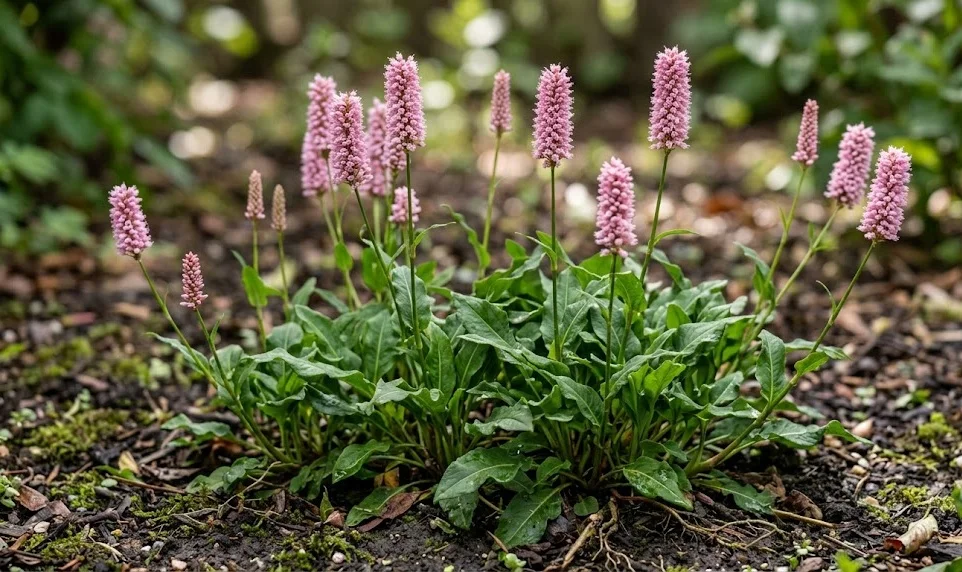

Maintaining the health of your common bistort involves a proactive approach to monitoring for potential issues. You will find that while this species is generally robust, it is not entirely immune to environmental stressors or biological threats. Most problems can be avoided or managed effectively if you catch them in the early stages of development. Regular inspections of the foliage and stems are the best defense you have against significant damage.
Environmental conditions often dictate which pests or diseases are most likely to appear in your garden. For example, high humidity and poor air circulation are the primary drivers for many common fungal infections. On the other hand, periods of drought can weaken the plant and make it more attractive to certain types of insects. Understanding these relationships allows you to anticipate and prevent problems before they even start.
A healthy plant is naturally more resistant to the negative effects of both diseases and pest infestations. You should focus on providing the optimal growing conditions, including the right amount of water and nutrients. When a plant is thriving, it can often tolerate a small amount of insect damage without any lasting impact. Stress, however, compromises the plant’s internal defenses and makes it a much easier target.
When you do spot a problem, it is important to identify it correctly before you decide on a treatment. You should look for specific patterns, such as the shape of leaf spots or the type of insects present on the stems. Misidentifying the issue can lead to using the wrong control method, which can be a waste of time and resources. Professional identification ensures that your intervention is both effective and safe for the environment.
Identifying and managing common fungal diseases
Powdery mildew is one of the most frequent fungal issues you might encounter with this perennial species. You will see a white, dusty coating appearing on the upper surfaces of the leaves during warm, humid weather. While it rarely kills the plant, it can look quite unsightly and reduce the plant’s overall vigor. Improving the air circulation around the clumps is often the most effective way to manage this particular problem.
More articles on this topic
Leaf spot diseases can also occur, particularly during exceptionally wet spring or autumn seasons. These appear as small, dark brown or black spots that may eventually merge and cause the leaf to die. You should remove any heavily infected leaves and dispose of them far away from your compost pile. This reduces the number of fungal spores that can overwinter and reinfect the plant the following year.
Crown rot is a more serious condition that usually results from the plant sitting in waterlogged soil for too long. You will notice the base of the stems turning mushy and the entire plant wilting despite the soil being wet. This is often a sign that the root system has been compromised by soil-borne pathogens that thrive in oxygen-poor environments. Improving the drainage is essential if you want to save the remaining healthy parts of the colony.
Rust is another fungal disease that occasionally affects the leaves, appearing as orange or yellow pustules on the undersides. Like other fungi, it spreads through water splashes and thrives in cool, damp conditions during the transition seasons. You should avoid overhead watering to keep the foliage as dry as possible during the times when rust is active. If the infection is severe, a specialized organic fungicide might be necessary to protect the plant.
Common insect pests and their impact
Aphids are perhaps the most common insect pests you will find on the tender new growth of your bistort. These tiny, sap-sucking insects often cluster on the undersides of leaves or around the developing flower spikes. You will notice the leaves becoming distorted or curled as the aphids drain the vital fluids from the plant tissues. A strong stream of water from your garden hose is often enough to dislodge them without using chemicals.
More articles on this topic
Slugs and snails are major fans of the large, fleshy leaves of the common bistort, especially in damp weather. You will find large, irregular holes in the foliage and characteristic silvery trails across the soil surface. These pests are most active at night or during rainy days when the humidity is high in the garden. Using physical barriers or organic iron phosphate pellets can help keep their populations under control effectively.
Spider mites can become a problem during hot, dry spells when the plant is already under some degree of water stress. These microscopic pests cause a fine stippling or yellowing of the leaves, and you might see delicate webbing between the stems. Because they thrive in dry conditions, increasing the humidity around the plant can help discourage them from staying. Regularly misting the foliage with water can be a surprisingly effective deterrent in small garden spaces.
Leaf miners are occasionally seen as winding, silver-colored trails inside the thickness of the leaf blades themselves. These are the larvae of small flies that feed on the internal tissues of the leaf while staying protected from predators. While the damage is usually mostly cosmetic, a heavy infestation can reduce the plant’s ability to photosynthesize. Removing the affected leaves as soon as you see the trails is the best way to stop the cycle.
Cultural prevention methods for a healthier garden
Sanitation is your first line of defense in maintaining a disease-free environment for your perennial plants. You should always use clean, sharp tools when pruning or dividing your plants to prevent the spread of pathogens. Cleaning your boots and equipment after working in an infected area of the garden is also a very good habit. These simple steps can significantly reduce the risk of cross-contamination between different parts of your landscape.
Crop rotation and spacing are just as important in the ornamental garden as they are in the vegetable patch. You should avoid crowding your plants too closely together, as this creates a stagnant environment where diseases can flourish. By giving each plant enough room, you ensure that the sun and wind can reach all parts of the foliage. This natural drying effect is one of the most powerful tools you have against fungal infections.
Soil health plays a massive role in the ability of a plant to resist both pests and diseases over the long term. You should focus on building a diverse ecosystem in your soil by adding plenty of organic matter and avoiding harsh chemicals. Beneficial fungi and bacteria in the soil can actually help protect the roots from harmful pathogens. A balanced soil environment supports a balanced plant that can look after itself more effectively.
Monitoring your plants regularly is the only way to catch problems before they become unmanageable in the garden. You should make it a habit to walk through your garden every few days and look closely at your favorite specimens. Early detection means you can often solve a problem with a simple manual intervention, like picking off a few beetles. This saves you time, money, and the stress of dealing with a full-blown garden crisis later on.
Organic and chemical treatment options
If cultural methods are not enough, you might need to consider using more direct treatments to save your plants. You should always start with the least toxic options, such as insecticidal soaps or neem oil for pest control. These products are effective against many common insects but have a lower impact on the surrounding environment. Always follow the instructions on the label carefully to ensure that you are using them safely.
Copper-based sprays or sulfur dusts are traditional organic treatments for a wide variety of fungal diseases in the garden. You should apply these products as a preventative measure when weather conditions are particularly conducive to fungal growth. They work by creating a protective barrier on the leaf surface that prevents spores from germinating and infecting the tissue. Be sure to cover both the tops and bottoms of the leaves for the best results.
Chemical pesticides and fungicides should be your last resort and used only when all other methods have failed. You should choose products that are specifically labeled for the problem you are trying to solve and the plant you are treating. Be aware that these chemicals can also harm beneficial insects, like bees and ladybugs, which are essential for a healthy garden. Use them targetedly and avoid broad-spectrum applications whenever it is possible to do so.
Biological controls are a fascinating and highly professional way to manage pest populations in larger garden settings. You can introduce natural predators, such as ladybugs or parasitic wasps, to hunt down and control aphids and other pests. This approach works with nature rather than against it and creates a more sustainable balance in your garden ecosystem. It requires some patience, but the long-term results are often much more stable than chemical solutions.
Recovering from severe infestations or infections
After a major pest or disease event, your plants will need some extra care to regain their former strength. You should focus on providing consistent moisture and a light application of a balanced, slow-release fertilizer. Avoid over-feeding with high-nitrogen products, as this can lead to soft growth that is easily reinfected. The goal is to encourage steady, healthy recovery rather than a sudden burst of weak new foliage.
Pruning back damaged growth is an essential part of the recovery process for any perennial that has been hit hard. You should remove any dead or severely disfigured leaves to allow the plant to focus its energy on new, healthy growth. This also improves the appearance of the plant and makes it easier to monitor for any signs of a recurring problem. Be sure to sanitize your shears after each cut to avoid spreading any remaining pathogens.
Improving the growing site is often necessary to prevent the same problem from happening again in the next season. If the issue was related to poor drainage or low light, you might need to move the plant to a better location. This might seem like a lot of work, but it is much better than fighting the same battle every year. A happy plant in the right spot is rarely a target for significant pest or disease issues.
Finally, do not be afraid to start over if a particular plant is consistently struggling despite all your best efforts. Sometimes, a specific individual might just be more susceptible to local pests or diseases than others of its kind. Replacing a problematic plant with a fresh, healthy one can often solve the issue permanently and restore the beauty of your garden. Gardening is a journey, and every challenge is an opportunity to learn more about your unique environment.