
The relationship between the Himalayan white pine and sunlight is a fundamental aspect of its physiology that dictates its growth rate, form, and needle density. As a species adapted to high-altitude mountain slopes, it has evolved to maximize its capture of solar energy in an environment where light can be intense but seasons are short. For the professional gardener, managing light exposure is about finding the “sweet spot” that encourages vigorous growth without causing environmental stress. This article explores the light needs of this elegant conifer and how to manage them in a managed landscape.
Photosynthetic needs and full sun exposure
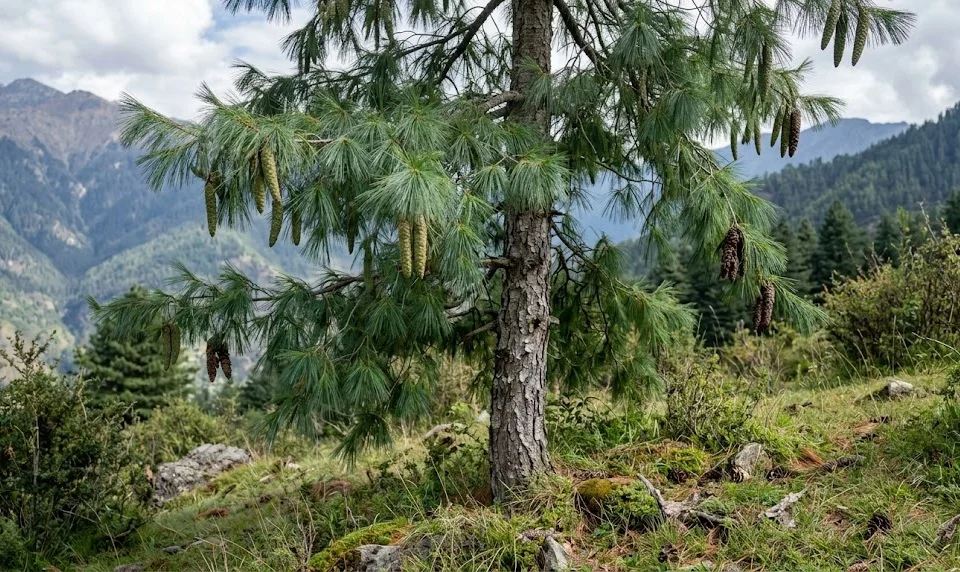
The Himalayan white pine is classified as a sun-loving species that performs best when it receives at least six to eight hours of direct sunlight every day. You should understand that full sun is the primary driver of the tree’s rapid growth and the development of its signature long, silvery needles. In high-light conditions, the tree produces more energy through photosynthesis, allowing it to build a sturdier trunk and a more expansive root system. This energy surplus also makes the tree more resilient to pests and diseases by supporting its internal defense mechanisms.
When the tree receives adequate light, the needles develop a thicker waxy coating, which gives them their beautiful glaucous or silvery-green appearance. You will notice that specimens grown in bright locations have much denser foliage and shorter internodes between the branches. This leads to a more compact and visually appealing form that is highly prized in ornamental horticulture. Providing sufficient light is the easiest way to ensure your tree reaches its full aesthetic potential without the need for excessive pruning.
In regions with extremely hot summers, however, the intensity of the afternoon sun can sometimes lead to needle scorch or heat stress. You should observe the tree during the peak of summer for any signs of yellowing or browning on the side facing the most intense sun. If you are planting in a particularly hot climate, a location that offers full morning sun and a bit of filtered light in the late afternoon may be ideal. This balance protects the delicate needles from the most extreme heat while still providing enough energy for healthy growth.
The importance of light extends beyond the summer months, as the evergreen needles continue to photosynthesize whenever temperatures are above freezing. You should ensure that the tree’s location remains bright throughout the year, even when the sun is lower in the sky during winter. Avoid planting this pine in the shadow of large buildings or dense deciduous forests that might block the low-angle winter sun. Consistent light levels across the seasons lead to a more stable and predictable growth pattern for the tree.
More articles on this topic
Managing shade and competition in the landscape
While the Himalayan white pine is relatively adaptable, planting it in deep or persistent shade will lead to a significant decline in its health and vigor. You will notice that shade-grown specimens often have thin, sparse needles and a “leggy” appearance as the branches stretch toward the light. Over time, the lower branches may die off completely, leaving the tree with an unbalanced and unattractive silhouette. To avoid these issues, you should always prioritize light availability when selecting a permanent home for your tree.
If you are working with an existing landscape where light is limited, you may need to perform some selective pruning of neighboring trees to open up the canopy. You should focus on removing “limbing up” or thinning out the branches of nearby deciduous trees to allow more dappled sunlight to reach the pine. This process, often called “daylighting,” can dramatically improve the health of a struggling conifer by increasing its photosynthetic capacity. Even a small increase in available light can make a noticeable difference in the density of the needles.
Competition for light is also a factor when planting multiple Himalayan white pines in a group or as a screen. You should space the trees far enough apart that they do not excessively shade each other as they reach maturity. A common mistake is planting them too close together for immediate impact, only to find that the interior branches begin to fail within a few years. Professional spacing ensures that every tree has access to the light it needs to maintain a full and healthy canopy from top to bottom.
Understory planting should also be managed to ensure that smaller shrubs or groundcovers are not competing for the same light resources as a young pine. You should choose low-growing plants for the base of the tree that thrive in the partial shade provided by the pine’s own canopy. This layered approach creates a beautiful aesthetic while ensuring that the main specimen remains the dominant light-gatherer in its immediate area. Managing light is as much about the surrounding environment as it is about the tree itself.
More articles on this topic
Physiological responses to light quality and duration
The angle and quality of light can influence the direction of the tree’s growth, a phenomenon known as phototropism. You should be aware that a tree receiving light primarily from one side will naturally lean or grow more branches in that direction. In a professional landscape, you should strive for a balanced light environment to encourage a straight, symmetrical trunk and an even canopy. If a young tree begins to lean significantly, you may need to adjust the surrounding light levels or use gentle staking to correct its posture.
Photoperiodism, or the response to the length of daylight, tells the tree when to begin growing in the spring and when to enter dormancy in the autumn. You should understand that artificial lighting, such as powerful streetlights or floodlights, can sometimes interfere with these natural cycles. If a tree is exposed to intense light at night, it may not harden off properly for winter, making it more susceptible to frost damage. Whenever possible, you should place these trees away from strong nocturnal light sources to respect their biological rhythms.
The color spectrum of the light also plays a role in the tree’s development, with blue light encouraging compact growth and red light promoting stem elongation. In a natural outdoor setting, the sun provides a perfect balance of these wavelengths for optimal growth. However, if you are growing young seedlings in a greenhouse or under artificial lights, you must ensure the light source mimics the full solar spectrum. This technical detail ensures that the young plants develop the sturdy structure they need before being moved to the garden.
By observing how your Himalayan white pine responds to the light in your specific location, you become a more effective and insightful gardener. You should take note of how the needle color changes with the seasons and how the growth rate varies between sunny and shady years. This ongoing dialogue with the plant and its environment is what separates the expert horticulturist from the amateur. Ultimately, light is the lifeblood of your tree, and managing it correctly is the key to its long-term success.