
Vigilance is your best defense against the various pests that can plague indoor plants. One of the most common invaders for this species is the mealybug, which looks like tiny bits of white cotton hidden in the leaf axils. These sap-sucking insects can quickly weaken a plant and cause the leaves to become distorted. If you spot them, you can remove individual bugs with a cotton swab dipped in rubbing alcohol.
Aphids are another frequent problem, especially during the spring when they can hitch a ride inside on fresh produce or other plants. They tend to congregate on the succulent flower stalks and the underside of new leaves, leaving behind a sticky residue called honeydew. This honeydew can then attract black sooty mold, which further damages the appearance of your plant. A gentle spray of insecticidal soap is usually enough to bring an aphid infestation under control.
Thrips are much harder to see because they are tiny and often hide inside the flower blossoms themselves. You might notice silver streaks on the leaves or brown edges on the petals as a result of their feeding. Because thrips have a complex life cycle, you may need to treat the plant several times over a few weeks to break the cycle. Yellow or blue sticky traps can help you monitor their presence and catch adults before they lay more eggs.
Spider mites thrive in the dry air that often accompanies indoor gardening, especially during the winter. These microscopic pests spin fine webs between the leaves and cause a “stippling” or speckled appearance on the foliage. Increasing the humidity around your plant is a great way to discourage them from taking up residence. If the infestation is severe, you may need to use a miticide specifically designed for indoor use.
Managing fungal and bacterial infections
Powdery mildew is a fungal disease that appears as a white, flour-like dusting on the leaves and flowers. It usually occurs when there is a combination of high humidity and poor air circulation around the plant. While it rarely kills the plant immediately, it is unsightly and can significantly reduce the plant’s vigor over time. Improving air movement and using a neem oil spray can help manage and prevent the spread of the spores.
More articles on this topic
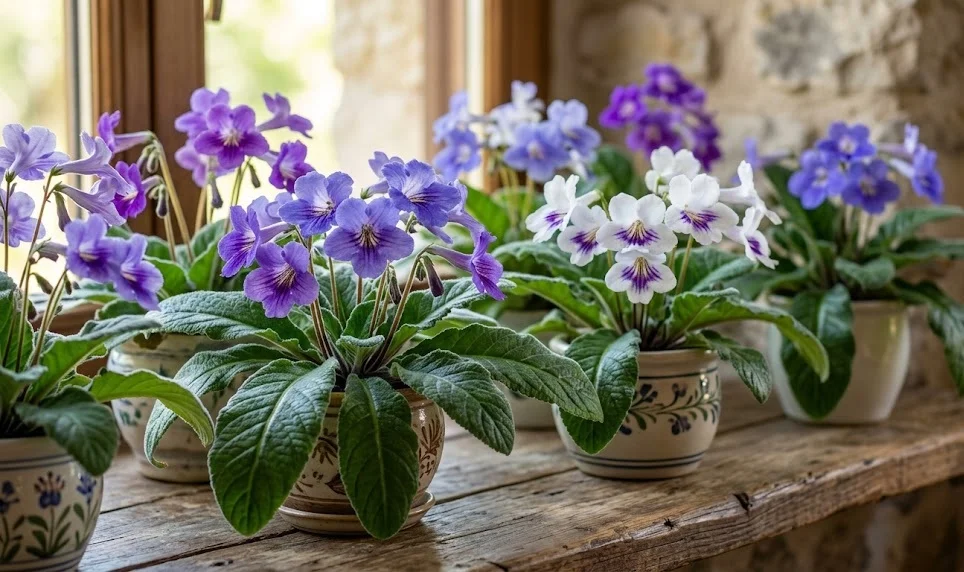
Crown rot is perhaps the most dangerous disease for a Cape primrose and is almost always caused by overwatering. The base of the plant turns brown and mushy, and the entire specimen may collapse within a few days. Unfortunately, once crown rot has taken hold, it is very difficult to save the plant. Your best bet is to take leaf cuttings from any healthy remaining foliage and start over in fresh, sterile soil.
Botrytis, or grey mold, is another fungal issue that targets spent flowers and damaged leaves in humid conditions. It looks like a fuzzy grey growth that can quickly spread to healthy tissue if not addressed. The best way to prevent botrytis is to keep the plant clean by removing dead flowers and foliage immediately. Ensure that you are not splashing water onto the leaves during your regular maintenance routine.
Bacterial leaf spot can cause dark, water-soaked lesions on the foliage that eventually turn black and crispy. This is often introduced by contaminated tools or by splashing water from an infected plant. If you see these spots, you should isolate the plant immediately and remove the affected leaves with sterilized scissors. Keep the foliage dry and improve the ventilation to prevent the bacteria from spreading to other plants in your collection.
Preventive measures and plant hygiene
Prevention is always more effective and less expensive than trying to cure a sick plant. You should always quarantine any new plants you bring home for at least two weeks before adding them to your main collection. This gives you time to observe the plant for any signs of pests or diseases that might be hiding. A quick inspection with a magnifying glass can reveal many issues that are invisible to the naked eye.
More articles on this topic
Regularly cleaning your gardening tools is another essential habit for maintaining a healthy environment. Use a solution of ten percent bleach or seventy percent alcohol to wipe down your scissors and knives between every plant. This prevents you from accidentally moving pathogens from one specimen to another while pruning or taking cuttings. It is a simple step that many hobbyists overlook but professionals swear by.
Keep your growing area tidy by removing any fallen leaves or spent petals from the surface of the potting soil. These decaying organic materials are the perfect breeding ground for fungus gnats and various molds. If you find yourself struggling with fungus gnats, try letting the top layer of soil dry out more between waterings. You can also use “mosquito bits” or sticky traps to control the adult population.
Finally, ensure your plants are not overcrowded on your shelves or windowsills. Leaves that touch each other provide a “bridge” for pests to move easily from plant to plant. Providing a few centimeters of space between pots allows for better air circulation and makes it easier to inspect each plant individually. A little bit of space goes a long way in preventing a localized issue from becoming a collection-wide disaster.
Organic and chemical treatment options
If you do find a pest or disease, you have a choice between organic and synthetic treatment options. Organic solutions like neem oil, insecticidal soap, and horticultural oils are often preferred for indoor use because they have lower toxicity. These products work by smothering the insects or disrupting their feeding habits, but they require direct contact to be effective. You will likely need to repeat the application every five to seven days for a few weeks.
For more stubborn infestations, you might consider using a systemic insecticide that the plant absorbs through its roots. These products provide long-term protection from the inside out, making the plant’s sap toxic to biting and sucking insects. However, be cautious when using systemics if you have pets or small children who might touch or nibble on the plants. Always follow the label instructions exactly to ensure both safety and effectiveness.
Biological controls, such as predatory mites or parasitic wasps, are an interesting option for greenhouse growers but can be tricky in a home environment. These “beneficial insects” hunt and kill the pests without the need for any chemical sprays. If you choose this route, you must avoid using any insecticides that would also kill your helpful bugs. It is a more natural approach that can be very effective if the conditions are right.
When applying any treatment, it is best to do so in the evening or when the light levels are low. Some sprays can cause “phytotoxicity” (leaf burn) if applied in bright sun or high temperatures. Test any new product on a single leaf first to make sure the plant doesn’t have an adverse reaction. Waiting twenty-four hours after the test will give you the confidence to treat the rest of the plant safely.
Recovery and post-treatment care
After a plant has been treated for a pest or disease, it will need some extra time and care to recover. Move the plant to a “recovery ward” where it can get bright but soft light and consistent humidity. Avoid fertilizing for a few weeks, as the plant needs to focus its energy on healing rather than new growth. You may notice some permanent scarring on the leaves, which is just a sign of the plant’s resilience.
Keep a close eye on the plant for any signs of a recurring infestation over the next month. Pests often lay eggs that are resistant to treatments, so a second wave can appear just when you think you’ve won. If you see any new activity, resume your treatment plan immediately to prevent the population from rebuilding. Consistency is key when dealing with biological threats.
Once the plant shows signs of healthy new growth, you can gradually move it back to its original location. Check the surrounding plants one more time to make sure nothing has spread in the meantime. If the plant was severely damaged, you might consider a light pruning to remove the worst of the scarred foliage. This encourages the plant to put its energy into fresh, beautiful leaves.
Remember that a healthy plant is much more resistant to pests and diseases than a stressed one. By providing the ideal light, water, and nutrients, you are building the plant’s natural immune system. Most issues arise when the plant is already weakened by poor environmental conditions. Professional-grade care is the best way to ensure your Cape primrose remains a healthy and beautiful part of your home for years.