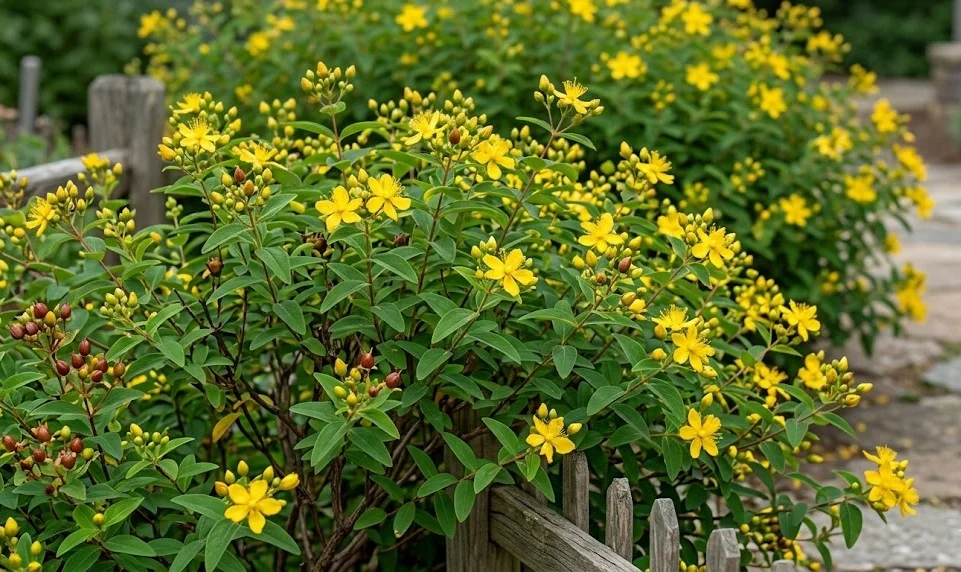

Maintaining this hardy shrub requires a blend of consistent observation and understanding of its natural growth habits. You will find that the plant is exceptionally resilient once it has established its root system in the garden. Providing a stable environment is the most critical factor in ensuring that the golden blossoms remain vibrant throughout the peak summer months. Expert gardeners often note that a proactive approach to soil health and environmental stressors leads to a much more rewarding aesthetic result.
Regular monitoring of the foliage can tell you a great deal about the overall health of the specimen. If the leaves appear vibrant and dark green, the nutrient balance in the soil is likely sufficient for current growth. You should check the undersides of the leaves periodically to ensure no hidden issues are developing away from plain sight. A healthy plant will naturally resist many environmental pressures, making your job much easier in the long run.
The surrounding environment plays a significant role in how the plant manages its energy throughout the growing season. While it is a tough variety, avoiding extreme fluctuations in soil moisture and temperature will yield the best flowering performance. You should aim to keep the area around the base clean and free of competing weeds that might sap essential resources. This focus on the immediate surroundings creates a buffer that helps the shrub maintain its vigor during heatwaves.
As the season progresses, the care routine should shift from encouraging growth to maintaining the existing structure. You will notice that the plant responds well to gentle attention rather than aggressive interventions during the flowering period. Keeping the plant clear of debris and ensuring good airflow between branches is a simple yet effective way to support its longevity. By following these basic steps, you establish a strong foundation for a professional-grade horticultural display.
Optimal soil management
The quality of the ground where you place your shrub determines the speed and strength of its development. You should strive for a well-draining medium that allows oxygen to reach the roots while retaining enough moisture to prevent dehydration. A loamy texture is generally preferred by professional landscapers because it offers the perfect balance of drainage and nutrient retention. Testing the soil before the growing season starts can provide valuable insights into what amendments might be necessary.
More articles on this topic
If the ground is too heavy or consists mostly of clay, the roots may struggle to expand properly in the early stages. You can improve these conditions by incorporating organic matter like well-rotted compost or leaf mold into the top layers. This process not only improves the physical structure of the earth but also introduces beneficial microorganisms. Healthy soil biology is a key component of an expert gardening strategy that focuses on long-term sustainability.
Managing the pH levels is another aspect that should not be overlooked by serious cultivators. This specific variety tends to prefer a neutral to slightly acidic environment, which allows for optimal nutrient uptake from the ground. You can use simple testing kits to monitor these levels and adjust them gradually using natural sulfur or lime as needed. Rapid changes in chemistry should be avoided to prevent shocking the sensitive root hairs.
Compaction is a common enemy of root health in established garden beds and agricultural borders. You should avoid walking directly over the root zone to keep the soil structure loose and aerated for better water penetration. If the ground becomes too packed, a light tilling of the surface can help restore the necessary air pockets. Remember that the hidden half of the plant is just as important as the visible stems and flowers.
Seasonal maintenance routines
As the transition from spring to summer occurs, your maintenance focus should adapt to the rising temperatures and longer days. This is the period when the plant requires the most support to produce its signature yellow blooms. You should establish a routine that includes checking the soil every few days during particularly dry spells. Consistency in these small tasks prevents the plant from entering a stress cycle that could hinder its growth.
More articles on this topic
During the height of summer, the primary goal is to sustain the lush foliage and prevent premature wilting of the flowers. You will find that a light layer of organic mulch around the base can be incredibly helpful in regulating temperature. This practice mimics the natural forest floor and protects the roots from the intense heat of the midday sun. It also helps to suppress the growth of unwanted plants that compete for water and space.
When autumn approaches, the metabolic rate of the shrub begins to slow down as it prepares for the colder months. You should gradually reduce the intensity of your care, allowing the plant to harden its tissues naturally. Avoiding heavy feeding late in the season is a professional tip that prevents soft, vulnerable growth from emerging before a frost. This natural transition is vital for the long-term survival of the specimen in temperate climates.
In the early spring, your routine starts again with a thorough inspection of the winter damage and overall structure. You should remove any dead or broken branches to make way for the new buds that will soon appear. This is also the ideal time to refresh the mulch and prepare the soil for the upcoming surge of energy. By following the natural rhythm of the seasons, you ensure the plant remains a centerpiece of the landscape year after year.
Encouraging vibrant flowering
The spectacular golden flowers are the main attraction of this shrub, and their abundance is often a reflection of expert care. You can maximize the floral display by ensuring the plant has enough energy stored from the previous growing season. This involves a careful balance of light, water, and nutrients provided during the vegetative phase. A well-nourished plant will always produce a more impressive show than one that is struggling for basic resources.
Positioning the plant in a location where it receives ample sunlight is the most effective way to trigger a heavy bloom. You will notice that specimens grown in shaded areas often produce more leaves but far fewer flowers. If you find that flowering is sparse, it may be necessary to evaluate the light exposure and consider thinning out overhanging branches from nearby trees. Sunlight provides the fuel needed for the complex chemical processes that result in those bright yellow petals.
The timing of your maintenance tasks can also influence how long the flowering period lasts. By keeping the plant healthy and hydrated, you extend the life of individual blooms and encourage the development of new buds. You should avoid any heavy chemical treatments during the peak of the flowering cycle to protect any visiting pollinators. These beneficial insects are an integral part of a healthy garden ecosystem and support the overall vitality of the shrub.
Once the main flush of flowers has passed, the plant will naturally begin to set seed if left alone. You can sometimes encourage a smaller second wave of growth by keeping the plant in peak condition through the late summer. While not as dramatic as the first show, this extra bit of color is a testament to the gardener’s skill. Professional care is all about providing the right conditions at the right time to let nature do its best work.
Long-term vitality and health
Sustainability in the garden means looking beyond a single season and planning for the years ahead. You should view each specimen as a long-term investment that requires steady, moderate attention rather than occasional bursts of effort. This perspective helps in building a resilient landscape that can withstand pests and weather extremes. Over time, the shrub will become more integrated into the local soil and climate, requiring less intensive intervention from you.
Avoiding over-manipulation is a sign of a professional gardener who understands the plant’s natural limits. You should let the shrub grow into its natural shape as much as possible, only intervening when necessary for health or space. This reduces the stress on the plant and allows it to develop a strong, woody structure that supports its weight. A plant that is allowed to grow naturally is often more beautiful and healthier than one that is constantly being reshaped.
Monitoring the growth rate can give you a clear indication of when the plant might need a more significant refresh. If you notice that the center of the shrub is becoming overly woody or sparse, it may be time to consider rejuvenation techniques. This usually involves more strategic cutting in the early spring to stimulate fresh, green growth from the base. Such long-term strategies ensure that the landscape remains youthful and vibrant for many decades.
Keeping a gardening journal or simple records of your observations can be a professional way to track the plant’s history. You can note when it first bloomed, how it reacted to specific weather events, and what treatments seemed most effective. This data becomes invaluable as the years pass, allowing you to refine your care techniques for this specific variety. Knowledge is the most powerful tool in any agricultural or horticultural endeavor.
Professional mulching techniques
Applying mulch is more than just an aesthetic choice; it is a critical component of soil and root management. You should use high-quality organic materials like composted bark, pine needles, or well-shredded leaves. These materials break down slowly over time, feeding the soil and improving its structure as they decompose. An expert application involves creating a layer about two to three inches thick around the base of the plant.
The placement of the mulch is just as important as the material you choose to use for the project. You must ensure that the mulch does not directly touch the main stems or the trunk of the shrub. Leaving a small gap around the crown prevents moisture from being trapped against the bark, which could lead to rot. This “donut” shape is a standard professional practice that protects the plant while allowing for proper gas exchange.
Mulching also acts as a natural insulator, keeping the soil cooler in the summer and warmer in the winter. You will find that this reduced temperature fluctuation creates a much more hospitable environment for the fine feeder roots. These roots are responsible for the majority of water and nutrient uptake, so protecting them is a top priority. A consistent mulch layer significantly reduces the amount of supplemental watering you will need to perform.
Finally, a good mulch layer is an excellent tool for long-term weed suppression in professional borders. By blocking the light from reaching the soil surface, you prevent weed seeds from germinating and competing with your shrub. This saves you hours of manual labor and keeps the garden looking clean and professionally maintained. It is one of the most cost-effective ways to improve the health and appearance of your landscaping.
Observational gardening and adjustments
The mark of a true expert is the ability to read the subtle signs that a plant gives off every day. You should spend time simply looking at the leaves, stems, and soil to detect changes before they become major problems. A slight drooping of the foliage might indicate a need for water, or perhaps a sign that the drainage has become blocked. Being proactive rather than reactive is the key to maintaining a flawless agricultural or garden display.
Weather patterns are never identical from year to year, so your care routine must remain flexible and adaptive. You should not rely solely on a calendar to decide when to water or feed your plants. Instead, use your senses and simple tools like a soil moisture meter to determine the actual needs of the specimen. This precision prevents common issues like over-watering, which can be just as damaging as a prolonged drought.
You should also observe how the plant interacts with its neighbors in the garden bed or field. If nearby plants are growing too aggressively, they might begin to shade out the shrub or steal its nutrients. Professional landscape management involves maintaining the balance between all the different species in a given area. Sometimes, a small adjustment to a neighboring plant can have a huge positive impact on the health of your St. John’s wort.
Every garden is a unique microclimate with its own set of challenges and advantages. You will eventually learn the specific quirks of your site and how this variety responds to your local conditions. Embracing this learning process is what turns a hobbyist into a skilled horticulturalist. Trust your observations and the knowledge you have gathered to make the best decisions for your plants.