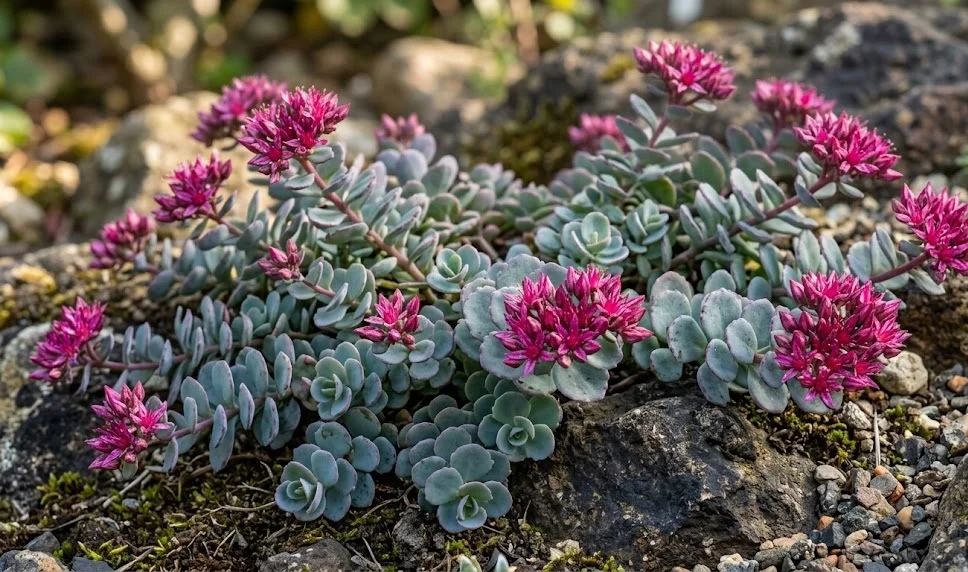

Maintaining a healthy garden environment requires a deep understanding of the specific needs of each plant variety within the landscape. The Japanese stonecrop is a remarkably resilient succulent that offers stunning visual appeal with its blue-grey foliage and late-season pink blossoms. To ensure it thrives, gardeners must focus on providing the right balance of environmental stability and minimal intervention. This guide explores the essential components of maintaining this beautiful perennial throughout the growing season.
General characteristics and growth habits
The growth habit of this particular succulent is naturally trailing, making it an excellent choice for rock gardens or the edges of raised beds. It typically reaches a modest height but can spread significantly if the conditions allow for lateral root development. The fleshy leaves are designed to store water, which is a key physiological trait that dictates its overall care routine. You will notice that the stems become more pendulous as the season progresses, creating a soft, cascading effect.
Understanding the life cycle of this plant is crucial for long-term success in any temperate garden setting. It starts its growth early in the spring with tight rosettes of leaves that slowly expand as temperatures rise. By mid-summer, the plant prepares for its flowering stage, which usually occurs when many other garden plants are beginning to fade. This timing makes it a valuable asset for maintaining color and interest in the late summer landscape.
The aesthetic appeal of the foliage is often the primary reason gardeners choose this variety for their collections. The leaves have a distinct waxy coating that gives them a glaucous appearance and protects them from intense sunlight. This coating also helps the plant retain moisture by reducing the rate of transpiration from the leaf surface. Observing the condition of this waxy layer can often give you clues about the general health of the plant.
Resilience is a hallmark of this species, but it does require some basic attention to prevent it from becoming leggy or sparse. When grown in the right conditions, it forms a dense mat that can effectively suppress weeds in small areas. However, if the stems are allowed to grow too long without support or pruning, the center of the plant might begin to look hollow. Regular observation allows you to adjust your care techniques to maintain a compact and vibrant appearance.
More articles on this topic
Soil requirements and drainage
The foundation of successful cultivation lies in the quality and structure of the soil provided to the root system. This plant absolutely requires a well-draining medium to prevent the roots from sitting in stagnant water for extended periods. Sandy or gravelly soils are ideal because they allow excess moisture to move away from the delicate root hairs quickly. You should avoid heavy clay soils that tend to compact and hold onto water during the rainy season.
Creating the perfect soil mix often involves amending existing garden beds with coarse organic matter or inorganic drainage aids. Adding perlite, pumice, or fine horticultural grit can significantly improve the porosity of the substrate without altering the nutrient profile too drastically. It is better to err on the side of a leaner soil rather than one that is overly rich in nitrogen. High levels of organic matter can actually lead to weak, floppy growth that lacks the natural structural integrity of the plant.
Soil pH is another factor that can influence the long-term vitality of your Japanese stonecrop. It generally prefers a neutral to slightly alkaline environment, which mirrors its natural rocky habitats in East Asia. If your garden soil is naturally acidic, you might consider adding a small amount of garden lime to bring the pH into a more suitable range. Testing your soil every few years is a professional practice that helps you stay ahead of any significant chemical shifts.
Compaction is a common enemy of succulents and should be addressed before the planting process even begins. If you are planting in a high-traffic area, ensure that the soil is protected from constant foot pressure which can collapse air pockets. These air pockets are essential for the gas exchange that occurs within the root zone during the active growing phase. A loose, airy soil structure encourages deep rooting and better drought resistance over time.
More articles on this topic
Climate adaptability and resilience
This plant is known for its ability to withstand a variety of climatic conditions, ranging from hot summers to cold winters. It is particularly well-suited for temperate zones where seasonal shifts provide a necessary period of dormancy. The succulent leaves are surprisingly tough, though they can be damaged by sudden, extreme temperature fluctuations. Gardeners should be aware of the specific microclimates within their own yards when placing this species.
During periods of high heat and humidity, the plant may slow its growth as a defensive mechanism to conserve energy. It is important to ensure that air circulation is maintained around the foliage during these times to prevent fungal issues. While it can handle dry heat quite well, excessive humidity combined with poor drainage can lead to rapid decline. Selecting an open, airy location will help mitigate the risks associated with muggy summer weather.
Cold hardiness is one of the most impressive features of this stonecrop variety, as it can survive temperatures well below freezing. The foliage will typically die back to the ground after a hard frost, which is a natural part of its annual cycle. The crown of the plant remains alive underground, protected by the soil and any mulch you may have applied. This dormancy is essential for the plant to gather strength for the following spring’s growth burst.
Adaptability also means that the plant can handle occasional periods of neglect without suffering permanent damage. It is a perfect choice for gardeners who want a high-impact look with low-maintenance requirements throughout the year. However, consistent environmental stress will eventually take a toll on its vigor and flowering potential. Providing a stable environment will always yield the most impressive floral displays and healthiest foliage.
Seasonal growth patterns
In the early spring, the first signs of life appear as small, tightly packed buds emerging from the soil surface. These young shoots are often tinted with purple or red before they develop their characteristic blue-green hue. This is the best time to inspect the plant for any winter damage and clear away old debris from the previous year. As the days lengthen, the rate of growth increases visibly, and the stems begin to elongate.
Summer marks the peak of the vegetative phase when the plant builds up its energy reserves through photosynthesis. The foliage becomes lush and full, and the trailing stems reach their maximum length during this period. You will see small flower buds forming at the tips of the branches long before they actually open. This anticipation is part of the garden’s charm, as the plant slowly prepares for its late-season debut.
The flowering period in late summer and early autumn is the highlight of the growing season for many enthusiasts. The clusters of starry flowers provide a vital source of nectar for pollinators like bees and butterflies when other food sources are scarce. The color of the blooms often deepens as the nights become cooler, transitioning from a pale pink to a more vibrant rose. It is a spectacular sight that brings a sense of life and movement to the garden.
As autumn progresses into winter, the plant begins its transition into a dormant state to survive the coming cold. The leaves may take on orange or reddish tones as the chlorophyll breaks down and other pigments become visible. Eventually, the stems will dry out and the plant will retreat into the safety of its root system. This natural progression is a reminder of the cyclical nature of the garden and the importance of rest.
Aesthetic placement in the landscape
Choosing the right location for this plant involves considering both its biological needs and its visual impact on the garden. It is most effective when planted in groups or drifts where its texture can be appreciated from a distance. Because of its trailing nature, it looks particularly stunning when allowed to spill over stone walls or through the gaps in a rockery. The contrast between the soft foliage and hard stone creates a timeless and natural look.
You can also use this stonecrop as a groundcover in smaller, well-defined areas where taller perennials might be too overbearing. Its low profile makes it an ideal “front of the border” plant that doesn’t obscure the view of species behind it. Pairing it with plants that have contrasting foliage colors, such as dark purples or bright yellows, can create a dynamic visual palette. The blue-grey tones act as a neutral backdrop that makes other colors pop.
Container gardening is another excellent way to showcase the beauty of this succulent, especially for those with limited space. In a pot, the trailing stems can hang down several inches, creating a “spiller” effect that is highly prized in container design. You must ensure the container has adequate drainage holes and is filled with a high-quality succulent potting mix. This flexibility allows you to move the plant around to take advantage of the best light at different times of the year.
The Japanese stonecrop is also a popular choice for green roofs and living walls due to its shallow root system and drought tolerance. In these specialized environments, it provides essential insulation and storm water management while looking beautiful. Its ability to thrive in thin layers of substrate makes it a pioneer species for modern urban gardening projects. Whether in a traditional garden or a contemporary installation, it always adds a touch of elegance.
Routine maintenance tasks
While this plant is low-maintenance, a few routine tasks will keep it looking its best and prevent common issues. Removing dead or damaged stems throughout the year helps maintain a clean appearance and encourages new growth. You should also keep the area around the base of the plant free from fallen leaves or other organic debris. This prevents moisture from being trapped against the stems, which can lead to localized rot.
Weeding is an essential part of any garden care routine, and it is particularly important around low-growing succulents. Because the stonecrop spreads slowly, aggressive weeds can quickly overshadow it and compete for light and nutrients. Hand-pulling weeds when they are small is the safest way to protect the delicate stems of the stonecrop. Once the plant has formed a dense mat, the need for weeding will naturally decrease over time.
Dividing older clumps every few years can rejuvenate the plant and provide you with new specimens for other parts of the garden. You will know it is time to divide when the center of the clump becomes woody or starts to die out. This process is best done in the spring just as the new growth is starting to emerge from the soil. Use a sharp spade or garden knife to separate the sections, ensuring each has a healthy portion of roots.
Monitoring for pests and diseases is a proactive measure that can save the plant from significant damage. While generally pest-resistant, you should occasionally check the undersides of the leaves for aphids or mealybugs. If caught early, these issues can usually be managed with a simple spray of water or an organic insecticidal soap. A healthy, well-sited plant is much less likely to suffer from these problems than one that is stressed.
Long term health and sustainability
The long-term success of your garden depends on selecting plants that are well-suited to your local environment and require fewer inputs. This stonecrop is a sustainable choice because it needs very little supplemental water once it has become established. It thrives in poor soils that might not support more demanding floral species, reducing the need for chemical fertilizers. By incorporating such resilient plants, you contribute to a more balanced and ecological garden system.
Supporting local biodiversity is another benefit of growing this late-blooming succulent in your outdoor space. It provides a reliable food source for late-season insects, helping them prepare for the winter months. In turn, these insects help pollinate other plants and serve as a food source for birds and small mammals. It is a small but meaningful way to participate in the broader ecosystem of your neighborhood.
Sustainability also involves the practice of saving and sharing plants with fellow gardeners in your community. Because this species is so easy to propagate from cuttings, it is a great candidate for plant swaps and gifts. Sharing your success with others helps promote the use of hardy, water-wise plants in the regional landscape. It also creates a sense of connection between gardeners who appreciate the simple beauty of succulents.
Finally, observing the changes in your plant over many years can provide valuable insights into the shifting climate of your area. You may notice changes in the timing of the first blooms or the way the plant responds to different weather patterns. This personal connection to the natural world is one of the greatest rewards of gardening. With proper care and attention, your Japanese stonecrop will remain a reliable and beautiful part of your garden for a lifetime.