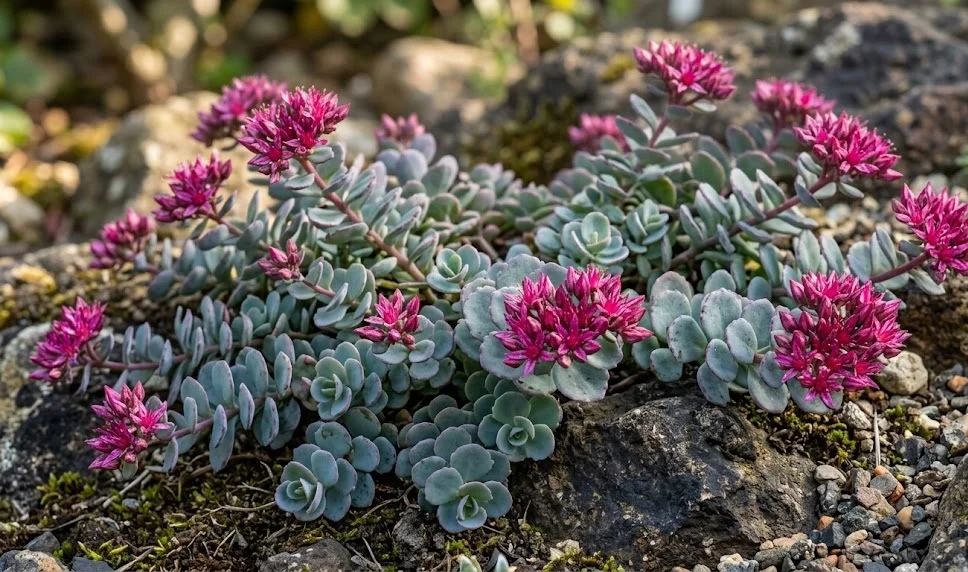

Protecting your garden from biological threats is a constant task that requires a vigilant eye and a proactive mindset. While the Japanese stonecrop is generally considered a tough and pest-resistant plant, it is not entirely immune to problems. Understanding the common diseases and insects that can affect this succulent is the first step in maintaining a healthy landscape. This article provides an expert overview of the potential issues you might encounter and how to manage them effectively.
Fungal diseases and moisture issues
The most common health problem for any succulent is root rot, which is almost always caused by excessive moisture in the soil. This fungal condition thrives in anaerobic environments where the roots are starved of oxygen due to waterlogged conditions. You might notice the plant suddenly wilting or the stems turning soft and black near the soil line. Once root rot has set in, it can be very difficult to save the plant, so prevention through proper drainage is absolutely critical.
Powdery mildew is another fungal issue that can occasionally affect the foliage, especially during periods of high humidity and poor air circulation. It appears as a white, flour-like dusting on the surface of the leaves, which can eventually lead to yellowing and premature leaf drop. While it is rarely fatal, it significantly detracts from the aesthetic appeal of the plant and can weaken it over time. Increasing the spacing between plants and ensuring they are in a breezy location can help keep the foliage dry and healthy.
Other leaf spot fungi can manifest as small, dark circles on the fleshy leaves, often surrounded by a yellow halo. These spots are typically the result of water sitting on the leaves for too long, allowing fungal spores to germinate and infect the tissue. If you see these spots developing, remove the affected leaves immediately to prevent the fungus from spreading to the rest of the plant. Always clean your garden tools with alcohol after working on a diseased plant to avoid cross-contamination.
Managing moisture is the single most important factor in preventing fungal outbreaks in your stonecrop collection. If your garden experiences a particularly wet season, you might need to take extra steps to protect your plants, such as improving drainage or temporarily covering them. Avoid using overhead irrigation systems that keep the foliage wet for extended periods, especially in the late afternoon. A dry plant is a healthy plant when it comes to the world of succulents.
More articles on this topic
Common insect pests
Aphids are small, soft-bodied insects that love to congregate on the tender new growth and flower buds of many garden plants. They use their piercing-sucking mouthparts to drink the sap, which can cause the leaves to become distorted or stunted. You might also notice a sticky substance called honeydew on the leaves, which can attract ants and lead to the growth of sooty mold. Fortunately, a strong blast of water from a garden hose is often enough to dislodge these pests and keep their numbers in check.
Mealybugs are another frequent visitor to succulents, and they can be identified by the white, cottony masses they produce to protect themselves. These pests often hide in the tight crevices between leaves or at the base of the stems, making them difficult to see at first glance. If left untreated, a large infestation can sap the plant’s energy and cause it to decline rapidly. For small outbreaks, you can use a cotton swab dipped in rubbing alcohol to manually remove the bugs from the plant.
Scale insects are less mobile than aphids or mealybugs and often look like small, hard bumps on the stems or leaves. They are incredibly well-camouflaged and can easily be mistaken for natural bark or spots on the plant. Like other sucking insects, they feed on the internal juices of the stonecrop and can cause significant damage if they are not detected early. Horticultural oils or insecticidal soaps can be effective treatments, but they must be applied thoroughly to reach the insects under their protective shells.
Snails and slugs can be a major problem for low-growing plants like the Japanese stonecrop, especially during damp spring weather. These mollusks are nocturnal and will feed on the succulent leaves, leaving behind jagged holes and shiny slime trails. While they don’t usually kill the plant, they can quickly ruin its appearance and provide entry points for diseases. Using barriers like diatomaceous earth or copper tape can help deter these pests from reaching your prized plants.
More articles on this topic
Environmental stress and physiological disorders
Sometimes, the symptoms you see on your plant are not caused by a biological pathogen but rather by environmental factors. Edema is a common physiological condition in succulents where the plant takes up more water than it can use or transpire. This causes the cells to burst, resulting in small, corky bumps or blisters on the underside of the leaves. While unsightly, edema is not a disease and can usually be corrected by adjusting your watering schedule and improving air circulation.
Sunburn can also occur if a plant that has been growing in the shade is suddenly moved into intense, direct sunlight. The leaves will develop bleached or brown patches where the tissue has literally been cooked by the UV rays. This damage is permanent and will not heal, although the plant will eventually grow new, acclimated leaves. To prevent sunburn, always transition your plants to brighter light gradually over a period of a week or two.
Nutrient deficiencies can also manifest as discolorations in the foliage that might be mistaken for disease. For example, a lack of magnesium can cause yellowing between the veins of the leaves, while a nitrogen deficiency results in overall pale or stunted growth. Before assuming your plant has a disease, check your soil pH and nutrient levels to ensure the roots can access what they need. Often, a simple adjustment to the soil environment is all that is needed to restore the plant’s health.
Extreme temperature fluctuations can also cause the plant to drop its leaves or stems to become brittle. While the Japanese stonecrop is hardy, a sudden, unseasonal frost can damage the succulent tissues before the plant has had a chance to go dormant. Similarly, intense heatwaves can cause the plant to enter a protective shutdown mode, where it may look wilted or dull. Understanding the environmental limits of your plant will help you provide the right protection at the right time.
Preventive measures and organic control
The best defense against any pest or disease is to maintain a vigorous, healthy plant through proper care and placement. A plant that is growing in the right light, with excellent drainage and adequate space, is much less likely to succumb to biological threats. Regularly inspecting your garden allows you to catch problems in their earliest stages when they are much easier to manage. Make it a habit to look closely at your plants at least once a week during the growing season.
Encouraging natural predators in your garden is a highly effective and sustainable way to control insect populations. Ladybugs, lacewings, and hoverflies all feed on aphids and other small pests, providing a natural balance to the ecosystem. You can attract these beneficial insects by planting a variety of flowers and avoiding the use of broad-spectrum chemical pesticides. A healthy garden should be a buzzing, living community where no single species becomes a dominant pest.
If you do need to use a treatment, always start with the least toxic option first to minimize the impact on the environment. Horticultural soaps and oils are excellent tools for managing soft-bodied insects without leaving harmful residues behind. Neem oil is another popular organic choice that has both insecticidal and fungicidal properties, making it a versatile addition to your garden cabinet. Always read the label and follow the instructions carefully to ensure the safety of your plants and yourself.
Maintaining good garden hygiene is another simple but powerful preventive measure you can take. Clear away fallen leaves and debris that can harbor pests and disease spores over the winter months. If you do have a plant that is severely infected or infested, it is sometimes better to remove and destroy it rather than risking the health of the rest of your garden. By being proactive and observant, you can keep your Japanese stonecrop collection thriving and beautiful for years to come.
Long term management strategies
Developing a long-term strategy for garden health involves learning from your experiences and adapting to the specific challenges of your local environment. Keep a garden journal to record when certain pests appear or when you notice the first signs of disease each year. Over time, you will start to see patterns that allow you to predict and prevent problems before they even start. This professional approach turns gardening into a science as well as an art.
Consider the diversity of your planting schemes to prevent the rapid spread of specialized pests or diseases. A garden that is a monoculture of one species is much more vulnerable than one that incorporates a wide range of different plants. By mixing your Japanese stonecrop with other non-succulent perennials, you create biological barriers that can slow down the movement of pests. This diversity also creates a more resilient and visually interesting landscape throughout the year.
Stay informed about new and emerging pests or diseases that may be moving into your region. Local gardening clubs and agricultural extension services are excellent resources for up-to-date information on what to look out for. Being part of a community of gardeners allows you to share tips and warnings, helping everyone to maintain healthier outdoor spaces. Knowledge is your most powerful tool in the ongoing effort to protect your plants.
Finally, remember that a few minor pests or a bit of leaf damage is a natural part of a living garden. Don’t feel the need to strive for a sterile, perfect environment, as this is often counterproductive to long-term ecological health. A few aphids on a flower stem can be a food source for a hungry ladybug, and a slightly imperfect leaf is a sign that your garden is part of a real ecosystem. Focus on the overall health and vitality of your plants, and they will reward you with their natural beauty.