
Light is the primary energy source for all plants, and for succulents like the Japanese stonecrop, it is the most critical factor in determining their health and appearance. Finding the right balance of sunlight and shade can mean the difference between a compact, colorful specimen and a weak, leggy plant. This guide explores the specific light needs of this species and how to optimize your garden layout to provide the best conditions possible. Understanding these requirements is essential for anyone looking to showcase the full beauty of this Japanese native.
Sunlight intensity and duration
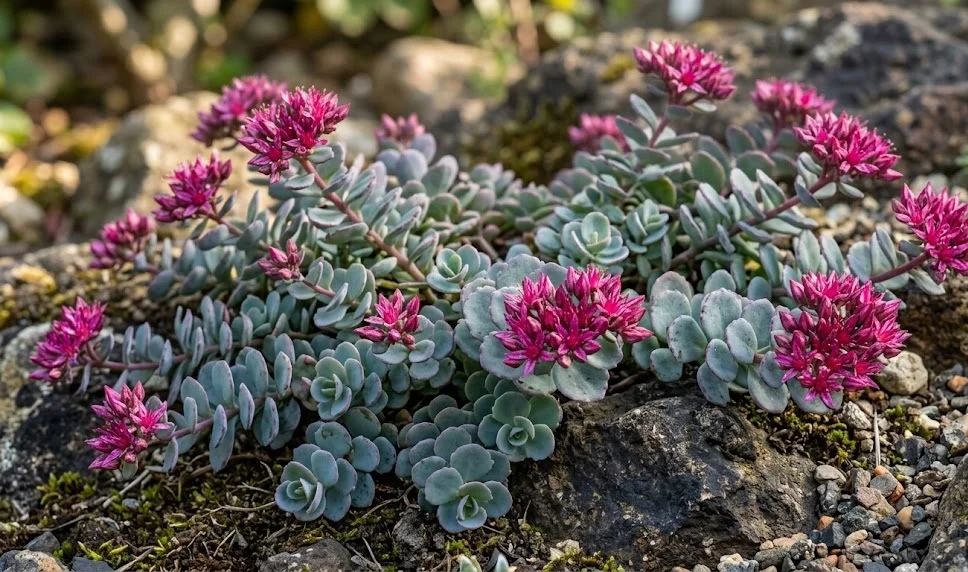
For the best results, Japanese stonecrop should be planted in a location that receives at least six to eight hours of direct sunlight each day. This high level of light intensity is necessary to maintain the tight, compact growth habit that is so prized in this variety. When the plant receives enough light, the stems remain strong and the leaves stay close together, creating a dense mat of foliage. Sunlight also triggers the production of the protective waxy coating that gives the leaves their unique blue-grey color.
In regions with very hot summers, the plant may benefit from a little bit of shade during the most intense part of the afternoon. While it loves the sun, the combination of extreme heat and ultraviolet radiation can sometimes lead to leaf scorch or a dulling of the foliage color. A spot that gets full morning sun and some light, filtered shade after 2:00 PM is often the “sweet spot” for perfect growth. Observing your plants during a heatwave will tell you if they are comfortable or if they are starting to show signs of light stress.
If the plant is grown in a spot that is too shady, it will quickly begin to exhibit signs of “etiolation” or stretching. The stems will grow long and thin as they reach toward the nearest light source, and the leaves will be spaced much further apart. This not only makes the plant look unattractive but also makes it more prone to flopping over and becoming damaged by wind or rain. Furthermore, plants grown in low light are much less likely to produce their signature pink flowers in the late summer.
The intensity of light also plays a key role in the development of the autumn foliage colors that many gardeners enjoy. As the days grow shorter and the light levels decrease, the plant begins to shift its pigments, often taking on beautiful purple or reddish tones. This transition is much more dramatic in plants that have been grown in bright, full sun throughout the summer. Providing the right light is an investment that pays off with a more dynamic and colorful garden display all year round.
More articles on this topic
Exposure directions and microclimates
When planning your garden, consider the cardinal directions and how they affect the amount of light each area receives throughout the day. A south-facing slope or garden bed is usually the brightest and warmest location, making it an ideal home for sun-loving succulents. West-facing areas also receive intense light, but this is often accompanied by the highest temperatures of the day, which can be challenging for some plants. Understanding these patterns allows you to place your Japanese stonecrop where it will be most successful.
East-facing locations receive gentle morning sun, which is excellent for drying dew off the leaves and starting the day’s photosynthesis without too much heat. This exposure is often a great choice if you live in a very hot climate where afternoon sun might be too punishing. North-facing spots are generally the shadiest and coolest parts of the garden and should usually be avoided for this particular species. If you must plant in a northern exposure, ensure there are no tall trees or buildings blocking the ambient sky light.
Microclimates within your own yard can also significantly impact the light levels available to your plants. For example, a plant placed next to a light-colored wall will receive reflected light, which can increase the total intensity it receives each day. Similarly, placing a stonecrop in a rock garden allows it to benefit from the heat and light reflected off the surrounding stones. These small environmental factors can be used to your advantage to create the perfect growing conditions.
Seasonality also changes the angle and intensity of the sun, which can shift the light patterns in your garden over the course of a year. A spot that is in full sun during the summer may be in deep shade during the winter when the sun is lower in the sky. While the plant is dormant in the winter, this doesn’t matter much, but it’s important to consider during the active growing season. Always evaluate the light in a potential planting spot at different times of the day and year before making a final decision.
More articles on this topic
Dealing with shade and low light
If you find that your Japanese stonecrop is struggling in a shady spot, the most effective solution is to move it to a brighter location. Succulents are relatively easy to transplant, especially in the spring or early autumn, so don’t be afraid to relocate them if they aren’t thriving. You will be amazed at how quickly the plant can recover and start producing healthy, compact growth once it has access to enough light. It is always better to act sooner rather than later to prevent the plant from becoming permanently weakened.
In some cases, you may be able to increase the light levels in a shady area by pruning back overhanging tree branches or thinning out dense shrubs. This “skylighting” allows more direct and indirect light to reach the ground level, benefiting all the low-growing plants in the area. Even a small increase in the amount of light can have a significant impact on the health and flowering potential of your stonecrop. Regular maintenance of the surrounding landscape is an important part of managing the light in your garden.
If you are determined to grow this plant in a less-than-ideal light situation, be prepared for a more “relaxed” look and fewer flowers. You can try to mitigate some of the negative effects of low light by being even more careful with your watering and fertilization. Plants in the shade use water more slowly and are even more prone to rot if kept too damp. Accepting that the plant will have a different character in the shade is part of the art of gardening with different light levels.
Ultimately, the Japanese stonecrop is a plant that truly belongs in the sun, and providing it with that light is the best way to honor its natural beauty. Whether you are planting it in a sprawling rock garden or a small decorative pot, prioritize the sunniest spot you have available. By understanding and meeting its light requirements, you ensure that your stonecrop remains a vibrant, healthy, and stunning part of your outdoor space. Light is the lifeblood of the garden, and this plant knows exactly how to use it.
Monitoring light-related health
Regularly observing your plants will give you a wealth of information about whether they are receiving the right amount of light. A healthy Japanese stonecrop should have leaves that are thick, firm, and exhibit a strong blue-grey color. If you notice the foliage becoming pale or yellowish, it could be a sign that the light intensity is too low for effective photosynthesis. Conversely, if the leaves look bleached or have dry, brown patches, they may be getting too much direct, intense heat.
The spacing between the leaf nodes is another excellent indicator of light quality that you should check throughout the season. On a well-sited plant, the leaves should appear almost stacked on top of each other with very little stem visible in between. If you start to see long gaps of bare stem between the leaves, the plant is telling you that it needs more light. This “stretching” is the plant’s way of trying to find the energy it needs to survive and thrive.
Flower production is perhaps the ultimate test of whether your stonecrop is getting enough sunlight during the summer months. The energy required to produce blossoms is significant, and the plant will only invest in flowers if it has an excess of energy from photosynthesis. If your plant looks healthy but never blooms, try moving it to a sunnier location the following year. Often, just an extra hour or two of direct sun is enough to trigger a spectacular floral display.
By becoming an expert at reading these visual cues, you can stay one step ahead of any potential issues and ensure your garden remains at its peak. Each plant is an individual, and its needs may vary slightly depending on the specific conditions of your local environment. Gardening is a constant process of observation and adjustment, and managing light is one of the most rewarding parts of that journey. With the right light, your Japanese stonecrop will be a shining star in your garden landscape.