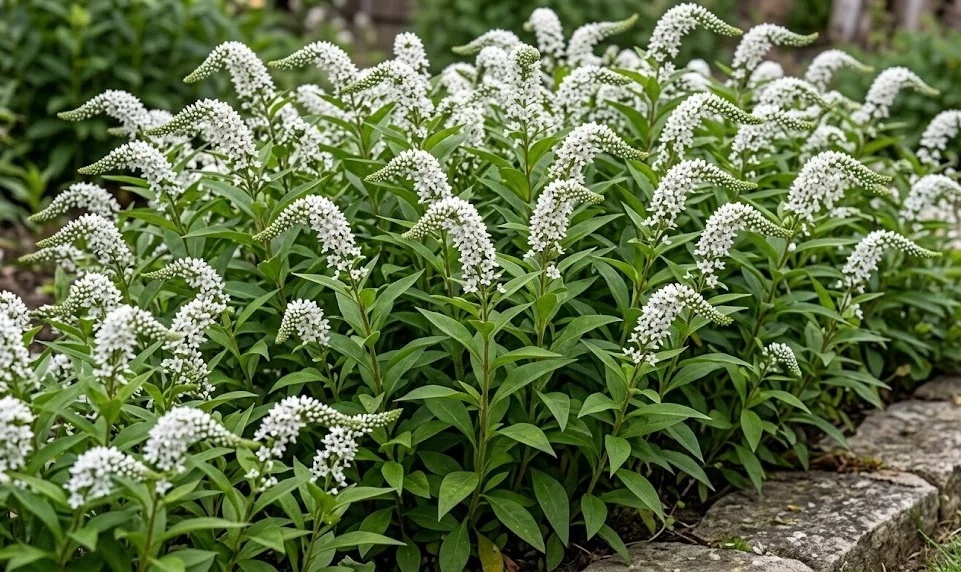

Gooseneck loosestrife is a remarkable perennial that brings a unique architectural element to any garden landscape. Its characteristic curving flower spikes resemble the neck of a goose, providing both movement and visual interest. Gardeners often value this plant for its hardy nature and ability to thrive in various conditions with minimal intervention. Successful cultivation requires an understanding of its growth habits and moisture preferences to ensure it remains a highlight of the garden.
This plant belongs to the Primulaceae family and originates from the moist woodland edges of East Asia. It typically reaches a height of about two to three feet and spreads through underground rhizomes. The lance-shaped leaves turn a beautiful shade of copper or red in the autumn season. Providing the right environment from the start will significantly reduce the amount of maintenance required later in the year.
The primary challenge for most gardeners is managing the vigorous spreading habit of this particular species. While it creates a stunning mass of white flowers, it can quickly overtake less competitive neighbors if left unchecked. Selecting a site with natural barriers or using root guards can help maintain the desired boundaries. Regular monitoring during the growing season allows for early intervention if the plant begins to wander too far.
In terms of aesthetic appeal, the white blooms appear in late summer and last for several weeks. These flowers are highly attractive to pollinators such as bees and butterflies, making it an excellent choice for wildlife gardens. The sturdy stems rarely require staking, even when the heavy flower heads are in full bloom. This resilience makes it a practical choice for both experienced horticulturists and beginners alike.
Understanding growth habits and soil needs
Gooseneck loosestrife thrives best in soil that remains consistently moist throughout the growing season. It is particularly well-suited for heavy clay soils that might be problematic for other garden perennials. The richness of the organic matter in the soil directly correlates to the lushness of the foliage. Adding a layer of compost every spring will provide the necessary nutrients for vigorous growth.
More articles on this topic
Poorly drained areas are not a problem for this plant, as it can even tolerate occasional standing water. However, it will struggle in sandy or rocky soils that dry out too quickly during the summer heat. If your garden soil is naturally dry, you must incorporate plenty of peat moss or well-rotted manure. These amendments help the ground retain the moisture that is vital for the health of the rhizomes.
The root system of this perennial is quite extensive and allows it to establish itself firmly in the landscape. Because it spreads so effectively, it is often used as a groundcover in larger, damp areas of the yard. You should avoid planting it near delicate alpine plants or slow-growing perennials that might be smothered. Placing it near moisture-loving shrubs like hydrangeas creates a harmonious and sustainable planting scheme.
Testing the soil pH is generally not necessary as this plant is quite adaptable to different levels. It performs well in slightly acidic to neutral environments without showing signs of stress or nutrient deficiency. If the leaves start to look yellow, it is more likely a sign of drought rather than a pH issue. Keeping the soil structure loose and aerated will encourage the roots to penetrate deeper into the ground.
Garden placement and competition management
Choosing the right location is the most important step in caring for your gooseneck loosestrife. It prefers a spot that receives full sun to partial shade, depending on the local climate. In hotter regions, some afternoon shade will prevent the delicate white flowers from scorching in the sun. Morning sun is generally ideal as it allows the dew to evaporate from the leaves quickly.
More articles on this topic
Since this plant is an aggressive spreader, it is often best used in a dedicated bed or a wilder part of the garden. Many professional landscapers recommend planting it in large containers if it must be placed in a formal border. This method effectively contains the rhizomes and prevents them from invading the root space of other plants. Sunken pots can also be used to give the appearance of a natural planting while maintaining control.
Interplanting with other vigorous species is another effective strategy for managing its growth. Large hostas, ferns, and ornamental grasses can hold their own against the encroaching roots of the loosestrife. This competition creates a balanced ecosystem where no single plant becomes completely dominant over time. It is a good idea to observe the borders of the colony each spring and remove any stray shoots.
Air circulation is vital for maintaining healthy foliage and preventing the development of fungal diseases. Avoid overcrowding the plants too densely, even though they will naturally fill in the gaps quickly. Providing enough space for the stems to sway in the breeze helps keep the interior of the clump dry. This simple precaution reduces the likelihood of leaf spots and other moisture-related issues during humid summer months.
Routine maintenance tasks throughout the season
Maintaining the beauty of gooseneck loosestrife involves a few simple tasks that should be performed regularly. Deadheading the spent flower spikes can encourage a tidier appearance and may lead to a minor secondary bloom. Simply cut the flower stalk down to the next set of leaves once the white petals begin to fade. This prevents the plant from putting energy into seed production and keeps the foliage looking fresh.
Mulching is one of the most beneficial things you can do for this plant during the summer. A thick layer of bark chips or shredded leaves helps keep the root zone cool and moist. Apply the mulch in late spring before the weather becomes excessively hot and dry. This barrier also helps suppress weeds that might try to compete with the emerging loosestrife shoots.
During periods of active growth, it is helpful to inspect the stems for any signs of weakness or damage. While the stems are generally strong, extreme weather events like heavy rain or wind can sometimes cause them to lean. You can gently tie groups of stems together with soft twine if necessary for support. However, most gardeners find that the natural arching habit is part of the plant’s unique charm.
Removing old or tattered foliage in the middle of the season can improve the overall look of the plant. If a particularly dry spell causes some of the lower leaves to turn brown, simply pull them away by hand. This allows more light and air to reach the center of the clump, promoting better health. Regular cleaning of the planting area also discourages pests from finding a permanent home in the garden.
Seasonal care adjustments and timing
Spring is the time for renewal and preparation when it comes to caring for gooseneck loosestrife. As soon as the first green shoots appear, you should clear away any debris left over from the winter. This is also the best time to apply a balanced, slow-release fertilizer to support the coming growth. Early spring moisture is usually sufficient, but keep an eye on the weather if the season is unusually dry.
In the height of summer, the focus shifts entirely to moisture management and monitoring for pests. The plant will be at its peak beauty during this time, with the signature white spikes fully formed. You may need to provide supplemental water daily if the temperatures exceed thirty degrees Celsius for an extended period. Watching the leaves for signs of wilting will tell you exactly when the plant needs a drink.
Autumn brings a change in color as the foliage transitions into its late-season hues. This is a great time to enjoy the architectural structure of the plant even after the flowers have faded. You do not need to do much during this period other than enjoying the visual transition in the garden. Some gardeners prefer to leave the dried stalks standing through the winter to provide cover for beneficial insects.
Winter care is minimal since the plant is extremely cold-hardy in most temperate climates. Once the foliage has completely died back after the first hard frost, you can choose to cut it to the ground. This creates a clean slate for the following spring and removes any potential overwintering sites for diseases. A light covering of mulch over the crown will provide extra protection in particularly harsh environments.
Managing aggressive spread and containment
Controlling the lateral movement of gooseneck loosestrife is a constant part of its long-term care. Every few years, you will likely need to dig up the edges of the colony to prevent it from expanding too far. A sharp spade is the best tool for cutting through the tough, fibrous rhizomes at the soil line. These removed sections can be discarded or moved to a new location where they have more room to roam.
Physical barriers are highly effective if they are installed correctly at the time of planting. A plastic or metal edging that extends at least ten inches into the ground will stop most of the wandering roots. It is important to check the top of the barrier occasionally to ensure no roots are growing over the edge. This proactive approach saves a significant amount of labor in the following gardening seasons.
If the plant has already invaded an area where it is not wanted, consistent pulling of new shoots is required. You must try to get as much of the root system as possible to prevent the plant from regrowing. It may take a couple of seasons of persistent effort to completely clear an area once the loosestrife has established itself. Using a garden fork can help loosen the soil and make the removal of long rhizomes much easier.
Sometimes, the best way to manage the spread is to embrace the plant as a large-scale groundcover. In areas with poor soil stability or steep slopes, the dense root system helps prevent erosion. In these settings, the aggressive nature of the plant becomes an asset rather than a drawback for the gardener. Careful planning of the landscape will help you decide where this vigor is most beneficial.
Long-term health and rejuvenation strategies
Even the hardiest perennials can sometimes become overcrowded and lose their vigor over several years. If you notice that the center of your loosestrife clump is producing fewer flowers, it may be time for rejuvenation. Digging up the entire clump and dividing it into smaller sections will breathe new life into the plant. This process is best handled in early spring just as the new growth is beginning to emerge.
When dividing, always select the healthiest, youngest sections from the outer edges of the parent plant. Discard the woody or exhausted center parts that are no longer producing strong stems. Replanting the vigorous sections into refreshed soil will result in a much better display the following year. This also provides an excellent opportunity to share plants with friends or expand your own garden beds.
Monitoring the overall health of the colony involves checking for consistent growth patterns across the entire patch. If one section seems stunted, investigate the soil conditions or light exposure in that specific spot. Sometimes a nearby tree may have grown enough to cast too much shade or compete for water. Adjusting the environment slightly can often solve these problems without the need for chemical interventions.
Finally, keep a garden journal to record the performance of your gooseneck loosestrife over several seasons. Note the dates when it begins to bloom and how long the flowers last in your specific microclimate. This information helps you refine your care routine and plan for future garden additions. A professional approach to documentation leads to a more successful and enjoyable gardening experience over the long term.