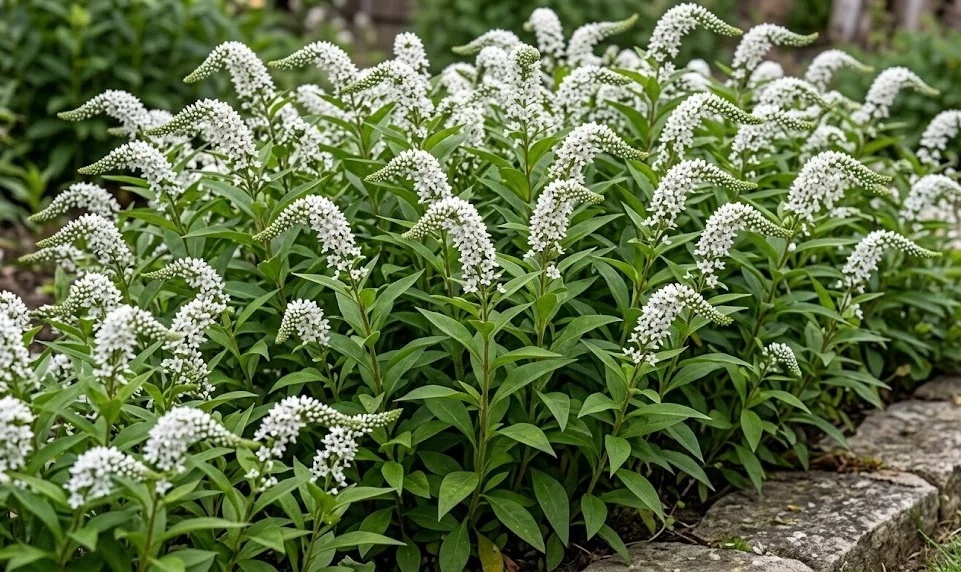

Proper hydration and nutrition are the cornerstones of maintaining a healthy and vibrant gooseneck loosestrife colony in your garden. This plant is naturally a lover of moisture and will show its best colors and growth when its water needs are met. While it is a hardy species, understanding the nuances of how and when to provide nutrients can make a significant difference. A professional approach to these tasks will ensure that your plants remain a stunning feature throughout the entire summer.
The watering requirements for this perennial are generally higher than for many other common garden flowers. It thrives in soil that mimics its natural habitat along the edges of streams and damp woodland borders. If the soil is allowed to dry out completely, the plant will quickly begin to show signs of stress and decline. Therefore, consistent monitoring of the ground’s moisture level is a task that cannot be overlooked by the gardener.
Fertilization is equally important, though gooseneck loosestrife does not require heavy feeding to perform well. The goal of a good fertilization program is to provide a steady supply of nutrients without causing excessive, weak growth. Using the right type of fertilizer at the correct time of year will support strong stems and prolific blooming. Over-fertilizing can sometimes lead to more foliage at the expense of those beautiful, arching white flowers.
In this guide, we will explore the best practices for keeping your plants well-watered and properly fed. We will discuss how to recognize when the plant is thirsty and what types of soil amendments are most beneficial. By following these professional tips, you can create an environment where your loosestrife will truly flourish. Let us dive into the details of effective water and nutrient management for this unique species.
Essential watering frequency and timing
The frequency of watering gooseneck loosestrife depends largely on the local weather conditions and the type of soil in your garden. During the heat of the summer, you may find that the plant needs a deep soaking at least twice a week. If the soil is sandy and drains quickly, you might even need to provide water more often to keep the roots happy. The goal is to keep the soil consistently damp to the touch without it becoming waterlogged or stagnant.
More articles on this topic
Morning is the absolute best time of day to water your plants for several important reasons. Watering early allows the foliage to dry off completely before the sun reaches its peak intensity in the afternoon. This practice significantly reduces the risk of fungal diseases that thrive on wet leaves in warm environments. It also ensures that the plant has a full reservoir of moisture to draw from during the hottest part of the day.
Avoid light, frequent sprinkling as this only wets the surface of the soil and does not reach the deep roots. Instead, focus on providing a slow and steady stream of water that can penetrate several inches into the ground. A soaker hose or a drip irrigation system is an excellent investment for a large patch of loosestrife. These methods deliver water directly to the root zone, which is more efficient and minimizes waste through evaporation.
During the autumn months, you can gradually reduce the frequency of watering as the temperatures begin to drop. The plant will naturally start to enter its dormant phase and its water requirements will decrease significantly. However, do not let the soil become bone-dry before the ground freezes for the winter. Maintaining a baseline level of moisture in the soil helps protect the dormant rhizomes from extreme cold and dehydration.
Signs of water stress and recovery
One of the most obvious signs that your gooseneck loosestrife is thirsty is the wilting of its distinctive flower heads. The normally upright or gracefully arching stems will begin to droop and lose their structural integrity. If you notice this happening, it is a clear signal that the plant’s internal water pressure has dropped dangerously low. Immediate action is required to prevent permanent damage to the delicate tissues of the leaves and flowers.
More articles on this topic
Yellowing of the lower leaves can also indicate that the plant is struggling with inconsistent moisture levels. If the soil fluctuates too rapidly between being bone-dry and soaking wet, the plant may shed its older foliage. This is a survival mechanism intended to reduce the overall surface area that requires hydration. Consistently dry conditions will eventually lead to crispy, brown leaf edges and a stunted appearance of the entire clump.
If your plant does experience severe wilting, it is often possible to revive it with a very deep and slow watering. Give the soil a thorough soaking until the water begins to pool slightly on the surface of the ground. You should see the stems begin to straighten up and regain their turgor within a few hours of receiving a drink. However, frequent cycles of wilting and recovery will weaken the plant over time and should be avoided.
On the other end of the spectrum, it is also important to recognize the signs of over-watering or poor drainage. If the leaves turn a pale yellow and the stems feel mushy at the base, the roots may be suffused with too much water. This condition can lead to root rot, which is much harder to treat than simple dehydration in the garden. Ensuring that the soil is moist but still allows for some air movement is the key to long-term health.
Fertilization schedules and nutrient needs
Gooseneck loosestrife generally performs best when it is fed in the early spring just as the new shoots emerge. A balanced, all-purpose fertilizer with an N-P-K ratio like 10-10-10 is perfectly suitable for most garden settings. This initial boost provides the nitrogen needed for lush foliage and the phosphorus required for strong root and flower development. Applying the fertilizer early in the season ensures that the nutrients are available when the plant is growing most rapidly.
If your soil is naturally rich in organic matter, you may only need to fertilize once a year to keep the plants healthy. Many experienced gardeners prefer to use compost or well-rotted manure instead of synthetic chemical fertilizers. These organic amendments improve the soil structure and provide a slow-release source of nutrients over a longer period. Simply spread a two-inch layer of compost around the base of the plants every spring.
For plants grown in containers or very poor soil, a second application of fertilizer in mid-summer may be beneficial. Use a water-soluble formula that can be easily absorbed by the roots during the height of the growing season. Be careful not to apply fertilizer directly to the foliage, as the concentrated salts can cause chemical burns on the leaves. Always water the soil thoroughly after applying any type of fertilizer to help wash the nutrients down to the root zone.
Stop all fertilization by late summer to avoid encouraging new, tender growth that could be damaged by early frosts. The plant needs to begin shifting its energy toward preparing for winter dormancy rather than producing new leaves. Feeding too late in the season can disrupt this natural cycle and make the plant more vulnerable to cold weather. Following a natural seasonal rhythm is the most professional way to manage the nutrition of your perennials.
Soil nutrition and the role of amendments
The quality of the soil in which you grow your gooseneck loosestrife is just as important as the fertilizer you apply. This plant prefers a soil that is rich in humus and has a high capacity for retaining both water and nutrients. If your garden soil is predominantly clay, it will naturally hold onto nutrients but may need organic matter to improve its aeration. Adding leaf mold or peat moss can help create the perfect balance for the sprawling rhizomes to thrive.
In sandy soils, nutrients are often washed away quickly by rain or frequent irrigation, leaving the plants hungry. In this case, adding heavy amounts of organic matter is essential for building up the soil’s nutrient-holding capacity. You might also consider using a slow-release granular fertilizer that provides a steady stream of food over several months. This prevents the “feast or famine” cycle that can occur in fast-draining soils during the summer.
Soil pH also plays a minor role in nutrient availability for many perennials, including the gooseneck loosestrife. It generally prefers a slightly acidic to neutral pH level, which is typical for most forest-edge environments. If your soil is extremely alkaline, the plant may have difficulty absorbing certain micronutrients like iron or manganese. You can lower the pH by adding elemental sulfur or using acid-loving plant fertilizers if a soil test confirms the need.
Mulching with organic materials is a fantastic way to naturally improve soil nutrition over time. As the mulch breaks down, it releases small amounts of nitrogen and other essential elements back into the earth. This process mimics the natural leaf litter found on a forest floor, which is the plant’s ancestral home. Over several years, consistent mulching can transform a poor patch of soil into a thriving ecosystem for your loosestrife.
Application techniques for maximum efficiency
When applying granular fertilizer, always try to spread it evenly across the entire root zone of the colony. The roots of gooseneck loosestrife extend well beyond the visible stems, so be sure to cover the surrounding soil as well. Avoid letting the granules touch the stems or the crown of the plant, as this can cause localized damage. Use a small hand rake to gently work the fertilizer into the top inch of the soil surface.
If you are using liquid fertilizers, it is best to apply them during a regular watering session to ensure even distribution. Dilute the concentrate according to the manufacturer’s instructions to avoid over-concentration, which can harm the plant. Pour the solution slowly around the base of the plants, allowing it to soak in deeply rather than running off the surface. This method is particularly effective for container-grown plants where root space is limited.
For large-scale plantings, a broadcast spreader can be used to apply fertilizer quickly and efficiently across a wide area. This is often the best approach for professional landscapers who are managing extensive groundcover beds of loosestrife. After broadcasting, always follow up with a thorough irrigation to activate the fertilizer and move it into the soil. Consistency in application is the key to achieving a uniform and attractive look throughout the entire bed.
Finally, always observe the results of your watering and fertilization efforts and adjust your routine as needed. No two gardens are exactly alike, and your specific microclimate will dictate the ultimate needs of your plants. If the growth seems excessive and floppy, consider reducing the amount of nitrogen in your fertilizer next year. If the blooms are sparse, you might need to increase the phosphorus or ensure the plants are getting more sunlight.