
Preparing gooseneck loosestrife for the winter months is a straightforward process that ensures this hardy perennial returns with vigor every spring. This plant is well-known for its exceptional cold tolerance, making it a reliable choice for gardeners in northern climates. However, even the toughest plants benefit from a little extra attention before the ground freezes and the snow begins to fall. A professional approach to overwintering involves protecting the roots and clearing away old growth to maintain garden hygiene.
The primary goal of overwintering is to safeguard the plant’s energy stores, which are held in its extensive underground rhizome system. As the daylight shortens and temperatures drop, the plant naturally begins to shift its resources from the leaves and stems down into the roots. This dormant phase is essential for the long-term health of the species, allowing it to rest and prepare for the next growing season. Understanding this natural cycle will help you time your maintenance tasks perfectly for the best results.
While gooseneck loosestrife can survive very low temperatures, extreme fluctuations in soil moisture and temperature can sometimes be problematic. For example, cycles of freezing and thawing can cause the soil to heave, potentially exposing the delicate crowns and roots to the cold air. Providing a protective layer of mulch is a simple yet effective way to mitigate these risks and keep the underground parts stable. These small preventative measures can make a big difference in the quality of the spring awakening.
In this guide, we will discuss the specific steps you should take to get your loosestrife ready for the cold season. We will cover everything from when to cut back the stems to how to manage water needs during the late autumn. By following these professional tips, you can rest easy knowing your garden is well-prepared for whatever winter might bring. Let’s look at the best practices for ensuring a successful overwintering period for this resilient white-flowered perennial.
Preparing for dormancy and late season care
The first sign that your gooseneck loosestrife is preparing for winter is the change in its foliage color. The once-vibrant green leaves will transition into shades of bronze, orange, and eventually a deep, brownish-red. This visual change is a signal that the plant is reabsorbing nutrients from its leaves and storing them in its rhizomes. It is best to let this process finish completely before you take any action to remove the old stems from the garden.
More articles on this topic
As the weather cools, you should gradually reduce the amount of supplemental water you provide to the plants. The goal is to let the soil moisture level drop slightly, reflecting the natural patterns of the changing season. However, you should never allow the ground to become completely bone-dry, as some moisture is still needed to support the dormant roots. A deep watering in late October or early November is often beneficial if the autumn has been unusually dry in your area.
Stop all fertilization by the end of August to avoid encouraging new, tender growth that won’t have time to harden off before the frost. New shoots produced late in the season are very susceptible to cold damage and can become an entry point for diseases. Allowing the plant to slow its growth naturally is the most professional way to handle the transition into the dormant state. This focus on natural timing ensures that the plant is at its strongest when the first hard freeze finally arrives.
Keep the area around the base of the plants clear of fallen tree leaves that might form a thick, wet mat. While a little bit of organic matter is good, a heavy layer of sodden leaves can trap too much moisture and lead to crown rot. Gently rake away any excess debris to ensure that the soil can breathe and that water can drain away freely from the stems. Good sanitation in the late autumn is one of the best ways to prevent fungal issues in the following spring.
Root protection and mulching strategies
Once the ground has started to cool significantly, applying a fresh layer of mulch is the most important step for protecting the roots. A three-inch layer of shredded bark, pine needles, or clean straw provides an excellent insulating blanket for the underground rhizomes. This layer helps regulate the soil temperature, preventing it from dropping too rapidly during extreme cold snaps. It also helps retain that vital baseline of moisture that prevents the roots from dehydrating during the winter months.
More articles on this topic
Mulching is particularly important for young plants or those that were recently divided and moved to a new location. These specimens have not yet established a deep enough root system to be fully protected by the earth itself. Providing that extra bit of insulation ensures that they have the best possible chance of surviving their first winter in the garden. For established colonies, a lighter layer of mulch is usually sufficient to keep the soil stable and the roots well-protected.
Be sure to wait until the ground has actually frozen or at least cooled down significantly before you apply the winter mulch. If you apply it too early while the soil is still quite warm, you might inadvertently encourage pests like voles to take up residence. These small rodents love the warmth of the mulch and can cause significant damage by nibbling on the succulent rhizomes through the winter. Timing your mulching to the natural cooling of the earth is a key professional secret for a healthy garden.
In the spring, you will need to remember to pull back the mulch slightly from the emerging shoots to allow the sun to warm the soil. If the mulch is too thick or left directly over the crowns, it can slow down the plant’s emergence and potentially lead to rot. A flexible approach to mulching—applying it for protection and thinning it for growth—is the hallmark of an expert gardener. This simple cycle of care provides the perfect balance of protection and opportunity for your gooseneck loosestrife.
Winter watering needs and monitoring
It might seem counterintuitive to think about watering during the winter, but the plants can still lose moisture through the soil. If your region experienced a very dry autumn followed by a winter with little snow cover, the dormant roots can actually dry out and die. Snow is an excellent natural insulator and moisture source, but its absence can be hard on perennials in well-drained soils. Monitoring the condition of the soil during any mid-winter thaws is a wise practice for dedicated horticulturists.
If the ground is not frozen and the soil feels dust-dry several inches down, you may consider a light watering during a warm spell. Only do this if the daytime temperatures are well above freezing and the water has a chance to soak in before nightfall. This is rarely necessary in areas with consistent snow or rainfall, but it can be a lifesaver in more arid, cold climates. Always prioritize natural moisture whenever possible, as nature usually knows best when it comes to hydration.
Pay close attention to any signs of “heaving” in the soil around your loosestrife clumps during the late winter and early spring. This occurs when the repeated cycle of freezing and thawing pushes the plant’s crown and roots up out of the ground. If you see exposed roots or if the crown seems to be sitting on top of the soil, gently press it back down with your foot. Cover any exposed areas immediately with additional mulch to prevent the tender tissues from being killed by the wind and cold.
Keep a record of the winter weather patterns in your garden journal to help you understand how your plants respond to different conditions. Did a particularly harsh winter lead to a slower start in the spring, or did the snow cover provide perfect protection? This information is invaluable for planning future garden additions and refining your overwintering techniques over time. Being a professional gardener means always learning from the environment and adapting your care to meet the specific needs of your site.
Spring awakening and post-winter care
The arrival of the first warm days of spring is the signal for the gooseneck loosestrife to begin its new year of growth. You will start to see the small, pointed tips of the new shoots emerging from the soil as the ground warms up. This is the time to remove any remaining dead stalks from the previous year if you haven’t already done so. Use a sharp pair of bypass pruners to cut the old stems back as close to the ground as possible without damaging the new growth.
As the shoots become more visible, you can begin to gradually pull back the winter mulch to allow the sun to hit the soil directly. This warming of the earth encourages the roots to become active and start sending up more stems to fill out the colony. This is also the ideal time to apply a light dressing of compost or a balanced, slow-release fertilizer to support the coming growth. Early spring is the best window for providing the nutrients that will fuel the spectacular summer flower show.
Inspect the new growth for any signs of damage that may have occurred during the winter months. Occasionally, the tips of the very first shoots might be nipped by a late spring frost, but this is rarely a cause for concern. The plant is incredibly resilient and will quickly send up replacement shoots from the extensive rhizome system underground. If the entire clump seems to be struggling, check the soil moisture and ensure that the area is not staying too wet as the snow melts.
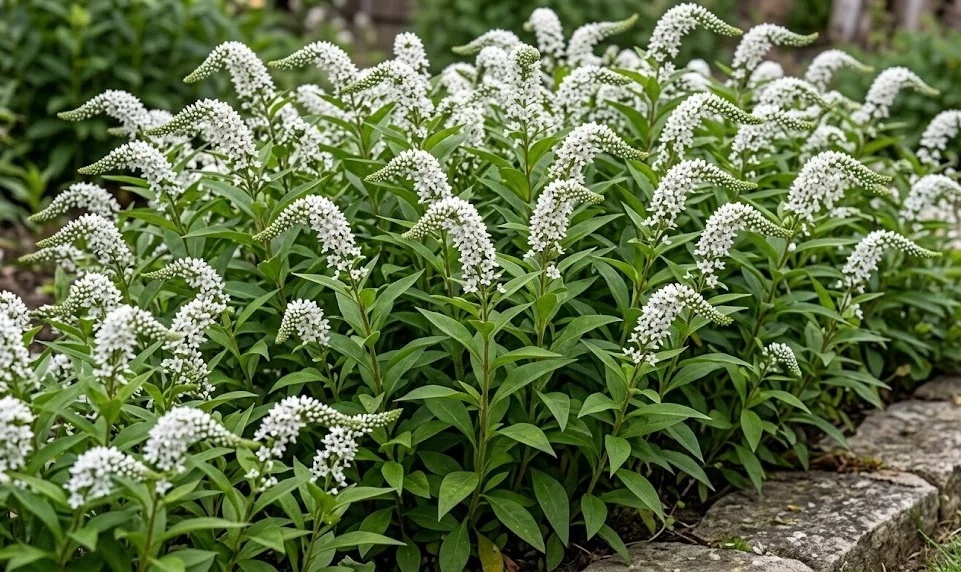
Finally, take a moment to appreciate the incredible resilience of this plant as it transforms from a dormant root into a lush green mound. The overwintering process is a testament to the strength of nature and the effectiveness of your careful preparation. With the winter behind you, your gooseneck loosestrife is now ready to grow, spread, and eventually bloom with its iconic white spikes. Your professional attention to detail during the cold months has set the stage for another successful gardening season.