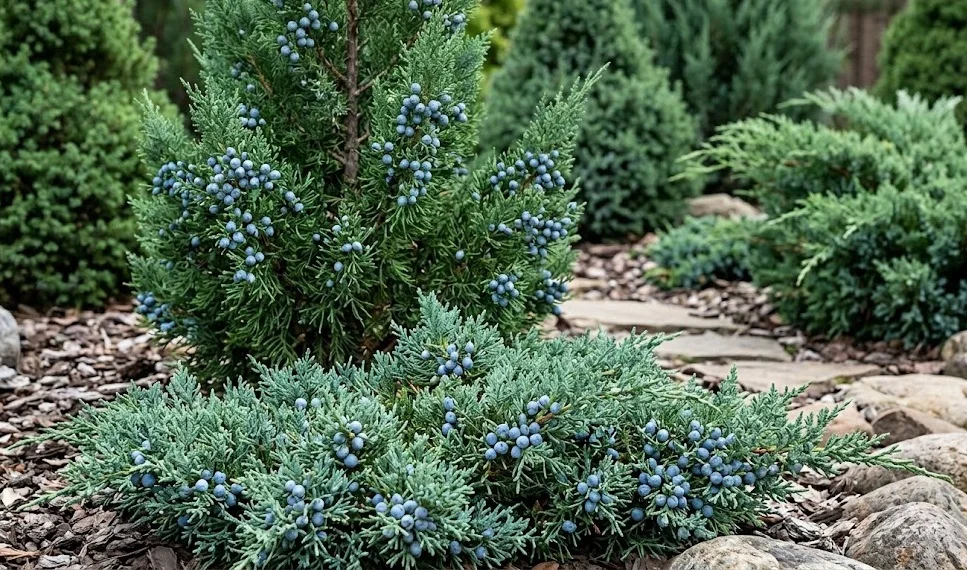

The initial planting of a Chinese juniper is a foundational moment that determines the future health and structural integrity of the specimen for years to come. Professional landscapers and horticulturists emphasize that the preparation of the site is just as important as the technique used to place the plant in the ground. Because these evergreens are intended to be permanent fixtures in the landscape, taking the time to get the planting right is a critical investment. This article will guide you through the expert steps necessary to ensure your juniper transitions smoothly from the nursery to your garden.
Success begins with selecting the right time of year to plant, which in most climates is during the early spring or mid-autumn. These periods offer cooler temperatures and more consistent rainfall, which reduces the transplant shock and allows the roots to establish before temperature extremes. Planting during the heat of summer or when the ground is frozen is generally avoided by professionals as it places too much stress on the plant’s vascular system. By timing your planting correctly, you give the juniper the best possible start in its new environment.
The site itself must be cleared of weeds and any competing vegetation that might steal nutrients and water from the young plant. Digging a hole that is significantly wider than the root ball is essential to provide loose soil for the new roots to easily penetrate. Many beginners make the mistake of digging a hole that is too deep, which can lead to the plant settling and the trunk being buried. The goal is to create a welcoming environment where the roots can spread horizontally and anchor the plant firmly against the wind.
Finally, understanding the specific needs of the cultivar you have chosen will influence the planting distance and depth. Some Chinese junipers have very aggressive root systems, while others are more compact and delicate in their establishment phase. Regardless of the variety, the objective is to minimize the time the roots are exposed to the air during the transplanting process. Having all your tools and amendments ready before you remove the plant from its container is a hallmark of an organized and professional planting operation.
The planting process and initial establishment
Once the site is prepared, carefully remove the juniper from its nursery container or burlap wrapping to inspect the root system. If you notice any roots circling the inside of the pot, gently loosen them with your fingers or a clean knife to encourage outward growth. This step is vital to prevent the roots from eventually girdling the trunk as the plant grows larger over time. Position the plant in the center of the hole, ensuring that the top of the root ball is level with or slightly above the surrounding soil line.
More articles on this topic
Backfilling the hole should be done with the original soil that was removed, as this helps the plant adapt to the local soil chemistry and texture. Some experts suggest mixing in a small amount of high-quality compost, but the bulk of the material should be the native soil to avoid creating a “pot effect.” As you add the soil back, firm it down gently with your hands to remove any large air pockets that could dry out the roots. Avoid stomping on the soil with your feet, as this can cause excessive compaction and limit oxygen availability.
After the hole is filled, create a small basin of soil around the edge of the planting area to help direct water toward the root ball. This “watering ring” is especially useful during the first few months when the plant relies entirely on the water provided in its immediate vicinity. Give the plant a thorough, deep soaking immediately after planting to settle the soil and ensure good root-to-soil contact. This initial hydration is the most critical drink the plant will ever receive in its new home.
In the weeks following the planting, monitor the moisture levels in the soil daily, especially if the weather is dry or windy. The goal is to keep the root ball consistently moist but never waterlogged, which requires a delicate balance and frequent checking. You may also want to apply a thin layer of mulch around the base, keeping it a few inches away from the trunk itself. This early stage of establishment is a time of high energy expenditure for the juniper as it builds a new foundation for its future growth.
Propagation through semi-hardwood cuttings
Propagating the Chinese juniper from cuttings is a rewarding way to expand your garden collection or share plants with fellow enthusiasts. The most successful method involves taking semi-hardwood cuttings during the late summer or early autumn when the current year’s growth has begun to firm up. This material has enough energy to produce roots but is still flexible enough to be manipulated easily. Using a sharp, sterilized pair of pruning shears is essential to make clean cuts that minimize damage to the parent plant and the cutting.
More articles on this topic
Identify healthy, vigorous branches and cut sections that are approximately four to six inches in length. Remove the needles from the bottom half of the cutting to expose the stem, which is where the new roots will eventually emerge. Some professionals recommend wounding the base of the stem by lightly scraping away a small strip of bark to expose the cambium layer. This technique can stimulate a more robust rooting response by increasing the surface area for hormone absorption and cell division.
Dip the prepared base of the cutting into a high-quality rooting hormone powder or liquid to give it an extra boost of growth regulators. Insert the cuttings into a well-draining propagation medium, such as a mix of perlite and peat moss or coarse sand. The container should be kept in a humid environment with indirect light, as direct sun can quickly dehydrate the unrooted cuttings. Many gardeners use a clear plastic dome or a simple plastic bag to maintain high humidity levels around the foliage during the rooting period.
Rooting junipers can be a slow process, often taking several months before a significant root system develops. It is important to be patient and avoid the temptation to tug on the cuttings to check for roots, as this can break the delicate new growth. Keep the medium consistently moist but not soggy, and provide bottom heat if possible to speed up the metabolic processes. Once the cuttings resist a gentle pull, you will know they have successfully established roots and are ready for the next stage of their journey.
Alternative propagation and grafting techniques
While cuttings are the most common method, some specialized varieties of Chinese juniper are propagated through grafting to maintain specific characteristics. Grafting involves joining a piece of the desired cultivar, known as the scion, onto the rootstock of a more vigorous or hardy juniper species. This advanced technique is often used for ornamental or weeping forms that do not perform well on their own root systems. It requires a high level of precision and an understanding of the vascular alignment between the two different plants.
Seeds are another option for propagation, though they are rarely used for specific cultivars because the offspring will not be identical to the parent. Juniper seeds also have a complex dormancy mechanism that requires a period of cold stratification to trigger germination. This process can take a year or more, making it a test of patience for even the most dedicated gardener. For those interested in the natural genetic variation of the species, however, growing from seed can be a fascinating horticultural experiment.
Layering is a simpler, more “set it and forget it” method of propagation that works well for low-growing or spreading varieties. This involves pinning a flexible branch to the ground and covering a section of it with soil while it is still attached to the parent plant. Over time, roots will form at the point of contact with the soil, after which the new plant can be severed and moved. This method is highly successful because the new plant continues to receive nutrients and water from the parent while it develops its own roots.
Finally, professional nurseries often use tissue culture for mass production of consistent, disease-free clones. While this is not practical for the average home gardener, it is the reason why so many high-quality Chinese junipers are available on the market today. Regardless of the method you choose, propagation allows you to deeply engage with the life cycle of the plant. Each successful new juniper is a testament to the skill and care you have invested in your horticultural practice.
Transitioning and potting on young plants
Once your young junipers have developed a strong root system, whether from cuttings or layering, they need to be transitioned to individual pots. This stage, often called “potting on,” allows the plant to grow in a more controlled environment before being subjected to the rigors of the open landscape. Use a potting mix that is specifically designed for conifers, ensuring it has excellent drainage and a balanced nutrient profile. Moving the plants into larger containers should be done gradually to avoid the soil staying too wet in an oversized pot.
The transition to outdoor conditions, known as hardening off, is a crucial step that must be handled with care. Young plants that have been grown in a protected environment are sensitive to wind, direct UV rays, and temperature fluctuations. Start by placing them in a shaded, sheltered spot for a few hours a day and gradually increase their exposure over two weeks. This process allows the needles to toughen up and the plant’s internal systems to adjust to the natural rhythm of the outdoors.
During the first year of a young juniper’s life, it requires more frequent attention than established specimens. Small pots can dry out very quickly, so daily monitoring of soil moisture is essential to prevent the delicate roots from dying back. You should also avoid heavy fertilization at this stage, as the focus should be on building a healthy root system rather than forcing rapid top growth. A weak solution of a balanced liquid fertilizer every few weeks is usually sufficient to support the plant’s needs.
By the time the juniper is ready for its final planting, it should have a dense, green canopy and a root ball that holds together firmly. The skills you have gained through the planting and propagation process will serve you well as you continue to care for these plants. Seeing a juniper grow from a tiny cutting into a significant landscape feature is one of the most satisfying experiences in gardening. Your dedication to these early stages ensures a legacy of green beauty for your garden space.