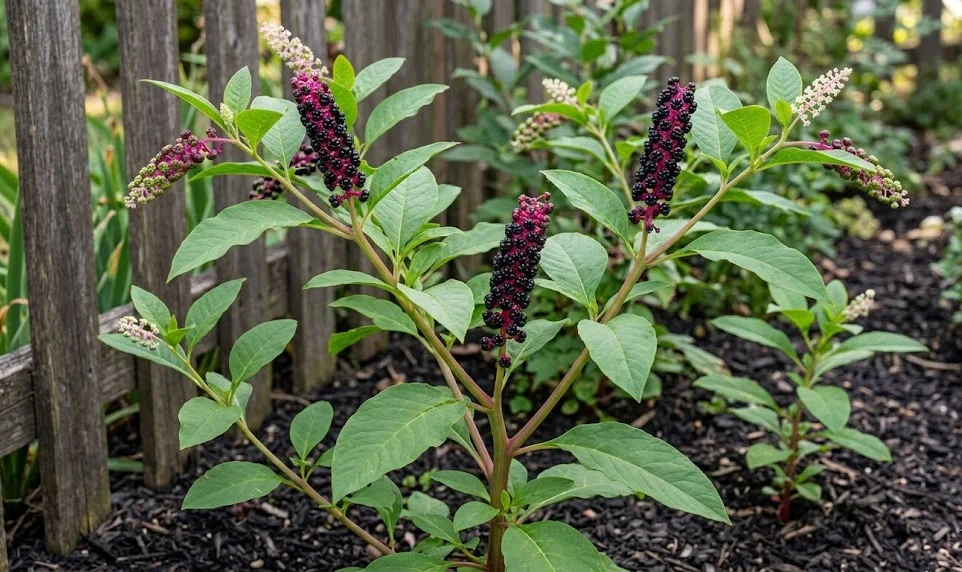

While the Indian pokeweed is known for its remarkable vigor and natural resistance, it is not entirely immune to the challenges posed by diseases and pests. Maintaining a healthy garden environment and being vigilant for early signs of trouble are the best ways to ensure your plants remain strong and beautiful. Understanding the specific threats that can affect this perennial allows you to take proactive steps to prevent problems from spreading. By employing integrated pest management techniques, you can protect your Indian pokeweed while maintaining the ecological balance of your entire gardening space.
Identifying common fungal issues
Fungal diseases are perhaps the most frequent challenge you will face when growing the Indian pokeweed, particularly during wet or humid seasons. Leaf spot is a common ailment, characterized by small, dark circles that appear on the foliage and can eventually cause the leaves to turn yellow and fall. This is often caused by poor air circulation or by water splashing soil-borne spores onto the lower leaves of the plant. To manage this, you should focus on keeping the foliage dry and ensuring there is plenty of space between your plants.
Powdery mildew is another fungal problem that can affect the Indian pokeweed, appearing as a white, dusty coating on the leaves and stems. While it rarely kills the plant, it can significantly detract from its aesthetic appeal and weaken its overall vigor if left unchecked. You might notice it more often in the late summer when the nights are cool and the days remain warm and humid. Improving air circulation and removing the most heavily affected leaves can help keep the mildew under control.
Root rot can be a serious issue if the Indian pokeweed is grown in soil that does not drain well or if it is over-watered. Because the plant has a fleshy taproot, it is particularly susceptible to various soil-borne pathogens that thrive in saturated conditions. Signs of root rot include a general wilting of the plant that does not improve after watering, and a darkening or mushiness at the base of the stems. Preventing this is largely a matter of proper site selection and careful water management from the very beginning.
To prevent the spread of fungal diseases, it is essential to practice good garden hygiene by clearing away dead plant material in the autumn. Many fungal spores can overwinter in the leaf litter, ready to infect the new growth when it emerges in the spring. You should also clean your pruning tools with a disinfectant between uses to avoid carrying pathogens from one plant to another. These simple preventative measures are often all that is needed to keep fungal issues at a manageable level.
More articles on this topic
Viral threats and their management
Viruses are a more complex challenge because they cannot be cured with traditional fungicides, making prevention and observation the primary tools for a gardener. The most common viral issue for the Phytolacca genus is the mosaic virus, which causes mottled, yellowish patterns on the leaves and can lead to distorted growth. You might notice that infected plants are smaller than their healthy counterparts and produce fewer flowers and berries. If you suspect a virus, it is important to monitor the situation closely to prevent it from spreading.
Viral infections are often spread by sap-sucking insects like aphids, which act as vectors, moving the virus from one host to another. This means that managing your insect populations is a key part of protecting your Indian pokeweed from viral threats. You should also be careful when pruning, as the virus can be transmitted through infected sap on your hands or gardening tools. Always work with healthy plants first before moving to any specimens that look suspicious or show signs of disease.
There is no chemical treatment for a virus once a plant has been infected, so the best course of action is often the removal of the entire specimen. This can be a difficult decision for a gardener, but it is necessary to protect the rest of your collection and prevent the virus from becoming established in your area. You should bag the infected plant material and dispose of it in the trash rather than composting it, as some viruses can survive the composting process.
Regular observation and early intervention are your best defenses against viral issues in the garden. Keep a close eye on any new plants you introduce to your space, as they can sometimes bring viruses with them from other locations. By maintaining a diverse and healthy garden ecosystem, you encourage natural resistance and reduce the impact of any individual pathogen. A professional approach to viral management is focused on long-term prevention and quick action when problems are identified.
More articles on this topic
Common insect pests and control
Despite its toxic nature to humans, the Indian pokeweed can still attract a variety of insect pests that may feed on its leaves or stems. Aphids are perhaps the most common nuisance, often clustering on the tender new growth or the undersides of the broad leaves. While a few aphids are usually not a problem, a large infestation can cause the leaves to curl and may introduce viral diseases. You can often manage them by simply knocking them off with a strong stream of water from your garden hose.
Spider mites can become an issue during hot, dry weather, leading to a stippled or bronzed appearance on the foliage. These tiny pests are hard to see with the naked eye, but you might notice fine webbing between the stems if the population is high. Keeping the plant well-hydrated and occasionally misting the leaves can create an environment that is less attractive to mites. In severe cases, insecticidal soaps or neem oil can be used as effective organic controls for these pests.
Caterpillars and various beetles may occasionally take a nibble out of the large leaves, but the Indian pokeweed is usually vigorous enough to outgrow this minor damage. Unless you see significant defoliation, it is often best to leave these insects alone and let the natural predators in your garden handle the situation. Ladybugs, lacewings, and birds are all excellent allies in keeping your pest populations in check without the need for harsh chemicals. This ecological approach supports a healthier garden for everyone.
Slugs and snails can sometimes target the young, succulent shoots as they first emerge from the soil in the spring. You can protect your young plants by using physical barriers or organic slug bait if you find that the damage is becoming excessive. As the plant grows taller and the stems become more fibrous, they usually become much less attractive to these ground-dwelling pests. Being vigilant during the early weeks of the growing season is the key to getting your pokeweed through its most vulnerable stage.
Environmental and physiological disorders
Not all problems you see on your Indian pokeweed are caused by pests or diseases; some are actually responses to environmental stress. Sunscald can occur if a plant that is used to shade is suddenly exposed to intense, direct sunlight, causing bleached or papery spots on the leaves. Similarly, extreme wind can tear the large foliage, leading to ragged edges that might be mistaken for insect damage. Understanding the impact of the elements helps you distinguish between biological threats and simple physical stress.
Nutrient imbalances can also cause symptoms that look like disease, such as yellowing between the leaf veins or stunted growth. If the soil pH is too high or too low, the plant may be unable to take up essential minerals even if they are present in the ground. A soil test is a professional way to determine if the issues you are seeing are related to the chemistry of your garden. Correcting the soil environment is often much more effective than applying pesticides or fungicides to a stressed plant.
Water-related issues, such as drought stress or over-saturation, can lead to physiological responses like leaf drop or wilting. If the plant is consistently undergoing “wilt-recovery” cycles, it becomes much more susceptible to opportunistic pests and diseases. Providing a stable and appropriate watering routine is one of the best ways to keep the plant’s natural defenses strong. A healthy, unstressed plant is far more capable of resisting the challenges of its environment.
Finally, remember that the Indian pokeweed is a deciduous perennial, and it is natural for the foliage to decline as autumn approaches. You might see more spots and yellowing in late September, which is simply a sign that the plant is preparing for dormancy. Do not mistake this natural aging process for a sudden disease outbreak that requires intervention. Learning the life cycle of your plant allows you to relax and enjoy its natural transitions through the seasons.
Integrated pest management strategies
Adopting an integrated pest management (IPM) strategy is the most professional and effective way to handle health issues in your garden. This approach focuses on long-term prevention through good cultural practices, such as proper spacing, soil improvement, and appropriate watering. By creating a healthy environment, you make it much harder for pests and diseases to gain a foothold in the first place. This proactive stance is always better than reacting to a full-blown problem later.
Biological control is a major component of IPM, which involves encouraging beneficial insects and birds to live in your garden. These natural predators do a fantastic job of keeping pests like aphids and caterpillars at manageable levels without any help from you. You can attract these allies by planting a variety of flowers and providing a water source for birds and beneficial bugs. This creates a balanced ecosystem where the Indian pokeweed can thrive as part of a larger community.
When intervention is necessary, always start with the least toxic and most targeted methods first to minimize your impact on the environment. This might include hand-picking large insects, using water sprays, or applying organic treatments like neem oil only where they are truly needed. Avoid broad-spectrum chemical pesticides, which can kill the very beneficial insects you are trying to attract and can disrupt the garden’s balance. A thoughtful and measured response is the hallmark of a skilled and responsible gardener.
Your role as an observer is the most important part of any pest and disease management plan for the Indian pokeweed. By spending time in your garden and getting to know your plants, you will be able to spot small changes before they become big problems. This connection to your landscape allows you to provide the right care at the right time, ensuring your garden remains a beautiful and healthy sanctuary. Your expertise and attention to detail are the best tools you have for a successful growing season.