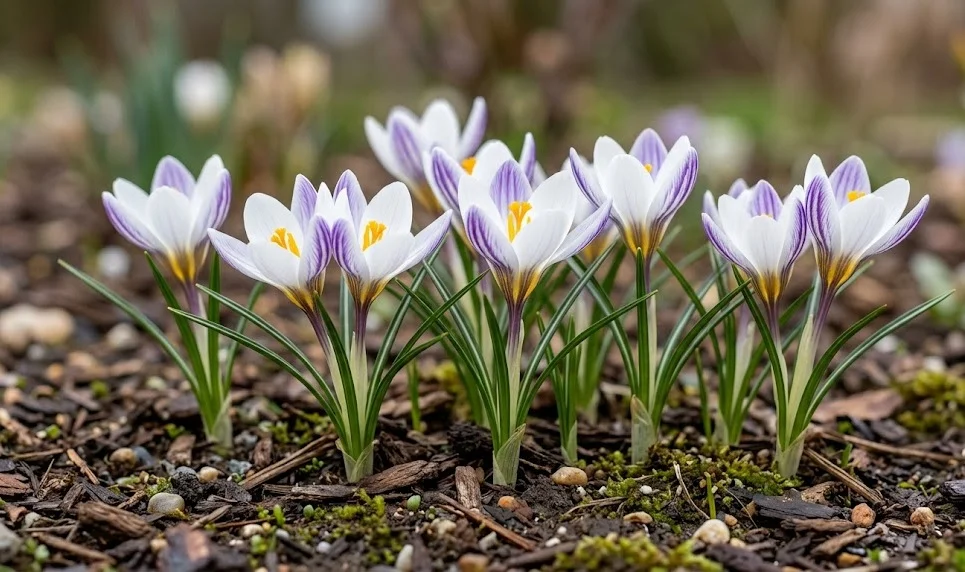

The silvery crocus is remarkably well-adapted to surviving the challenges of winter, but professional intervention can ensure its safe emergence in spring. These bulbs rely on a period of cold dormancy to reset their internal clocks and prepare for the upcoming flowering season. However, extreme fluctuations in temperature or unusually wet winter soil can still pose a risk to their health. A professional overwintering strategy focuses on providing stability and protection while allowing the natural cycles of the season to proceed.
Preparing the garden for winter begins in the late autumn after the ground has started to cool but before the first deep freeze. The primary goal is to maintain a consistent soil temperature to prevent the bulbs from being pushed out of the ground by frost heaving. This phenomenon occurs when the soil freezes and thaws repeatedly, which can damage the delicate root systems and expose the bulbs to the air. A well-placed layer of protection can significantly mitigate this risk and keep the bulbs securely in place.
In most regions where the silvery crocus is grown, the plants do not require intensive winter care once they are established. Their small size and subterranean lifestyle protect them from the worst of the freezing winds and heavy snow. In fact, a consistent blanket of snow can act as an excellent natural insulator for the soil beneath. Gardeners should view the winter months as a time of quiet monitoring, ensuring that the environment remains undisturbed and safe for the dormant corms.
Professional horticulturists often take this dormant time to plan for the spring and assess the overall structure of the garden. While the crocus is hidden away, you can clear away any remaining debris from the surface that might harbor pests or disease. Ensuring that the drainage paths are clear will prevent water from pooling over the bulb beds during the mid-winter thaws. This proactive maintenance ensures that the bulbs will have a clean and healthy environment when they finally wake up.
Soil insulation and mulching
Applying a layer of organic mulch in the late autumn is one of the most effective professional techniques for protecting crocus bulbs. This layer acts as a thermal blanket, slowing down the rate at which the soil temperature changes in response to the air. Materials like shredded leaves, straw, or evergreen boughs are excellent choices because they provide insulation while still allowing for air exchange. The mulch should be applied after the first light frost to ensure that the bulbs have already started their dormant phase.
More articles on this topic
The thickness of the mulch layer should be carefully managed to avoid creating a habitat for rodents or trapping too much moisture. A depth of two to three inches is generally sufficient to provide the necessary thermal protection without causing problems. Avoid using heavy or compacted materials that could prevent the small shoots from emerging in the early spring. A professional gardener always considers the physical limitations of the plant when choosing and applying garden amendments.
In areas with particularly harsh winters, some gardeners choose to use specialized frost blankets or horticultural fleece for added protection. These modern materials are designed to trap a layer of still air around the soil surface, providing a significant boost in temperature stability. They are particularly useful for protecting newly planted bulbs or rare varieties that may be more sensitive to the cold. However, these covers should be removed as soon as the weather begins to break in late winter to prevent overheating.
Monitoring the condition of the mulch throughout the winter is an important part of the professional maintenance routine. Heavy winds or foraging animals can sometimes displace the protective layer, leaving the soil exposed to the elements. Simply repositioning the mulch or adding a few more evergreen branches can quickly restore the protection. This level of attention ensures that the silvery crocus remains safe and secure throughout the most challenging months of the year.
Managing container grown bulbs
Overwintering silvery crocus in containers requires a slightly different professional approach than those planted in the open ground. Because the soil in a pot is exposed to the air on all sides, it can freeze much more quickly and deeply than the earth. To compensate for this, containers should be moved to a sheltered location, such as a cold frame, an unheated garage, or a protected porch. The goal is to keep the bulbs cold enough to maintain dormancy but protected from the most extreme temperature swings.
More articles on this topic
If moving the containers is not an option, they can be “heeled in” by burying the entire pot in a pile of mulch or directly into a vacant garden bed. This technique uses the natural insulating properties of the earth to protect the roots and bulbs within the pot. Alternatively, wrapping the containers in several layers of bubble wrap or burlap can provide an extra layer of insulation. A professional-looking wrap can even be made to look like a decorative part of the winter garden landscape.
Water management for overwintering containers is a delicate balance that requires regular professional check-ins. While the bulbs are dormant and the soil may be frozen, they still need a tiny amount of moisture to prevent complete desiccation. On days when the temperature is above freezing, check the soil and provide a very light watering if it feels bone dry. However, the potting mix should never be allowed to become saturated, as this will lead to certain rot in the confined space of a container.
As spring approaches, container-grown crocus will often wake up a bit earlier than their counterparts in the ground. Professional gardeners monitor their pots closely for the first signs of green tips and move them into the light as soon as growth begins. This gradual transition back into the active world helps the plants adjust and prevents the tender new growth from being scorched by sudden sun exposure. Container gardening offers a unique set of challenges, but with professional care, it can yield spectacular results.
Understanding winter dormancy
Dormancy is not simply a period of inactivity; it is a complex biological state that is essential for the health of the silvery crocus. During this time, the plant undergoes internal chemical changes that prepare the flower primordia for the rapid growth of spring. These changes are often triggered by a specific number of “chill hours,” or hours spent below a certain temperature threshold. This natural mechanism ensures that the plant does not bloom during a brief mid-winter warm spell only to be killed by the returning cold.
Professional gardeners respect this natural process and avoid any actions that might prematurely break the plant’s dormancy. Applying high-nitrogen fertilizers or heavy watering during a winter thaw can sometimes trick the bulbs into thinking that spring has arrived. This “false start” can be devastating for the plant, as it wastes precious energy on growth that cannot be sustained. Consistency and patience are the hallmarks of a professional who understands the deeper rhythms of the plant world.
Observing the winter landscape can provide valuable clues about the health and progress of your crocus collection. If you see early-blooming weeds or other plants starting to move, it may be a sign that the soil is warming up earlier than usual. This is a cue for the professional gardener to start preparing for the end of the overwintering phase and the beginning of spring care. A deep connection with the seasonal changes of the garden is a sign of a truly expert horticulturist.
Even in the middle of winter, life is stirring beneath the surface as the bulbs develop their root systems for the coming year. This hidden growth is the foundation for the spectacular floral display that will soon follow. A professional approach to overwintering recognizes the importance of this invisible phase and does everything possible to protect it. By providing a stable and safe winter environment, you are ensuring that the silvery crocus can fulfill its potential and bring beauty to the early spring garden.
Preparing for the spring emergence
The final phase of overwintering involves a gradual transition as the days begin to lengthen and the soil starts to thaw. This is the time when the professional gardener begins to slowly remove any heavy winter protection to allow the light and air to reach the soil. If you have used evergreen boughs or heavy mulch, start by thinning them out over a period of several days. This prevents the emerging shoots from being shocked by a sudden change in their environment.
It is important to keep a close eye on the weather forecast during this transition period, as late-season frosts are common. If a severe cold snap is predicted after the shoots have started to emerge, you may need to temporarily replace the protection. A professional gardener is always prepared to step in and offer a little extra help when the weather becomes unpredictable. This flexibility is what ensures a successful bloom even in a challenging spring season.
Once the danger of hard frost has passed and the green tips are clearly visible, the remaining winter mulch can be cleared away. This is also an excellent time to apply a very light top-dressing of balanced fertilizer to support the coming growth. Take care not to damage the tender new shoots as you work in the garden beds. The transition from winter to spring is a busy time for the professional, but it is also the most rewarding part of the cultivation cycle.
The successful overwintering of the silvery crocus is a testament to the plant’s resilience and the gardener’s professional care. By following these guidelines, you have given your bulbs the best possible chance to survive and thrive. The sight of those first delicate flowers breaking through the cold earth is the ultimate validation of your winter efforts. Horticulture is a year-round commitment, and the rewards are found in these moments of seasonal triumph.