
The amount of light your shrub receives is perhaps the most significant factor in determining its overall growth habit and the intensity of its foliage color. While this species is incredibly versatile and can survive in a wide range of lighting conditions, there is a distinct “sweet spot” where it performs at its absolute best. You should carefully observe the patterns of sun and shade in your garden before deciding on the final placement for this plant. Understanding the relationship between light and the plant’s biological processes is the key to achieving professional-looking results.
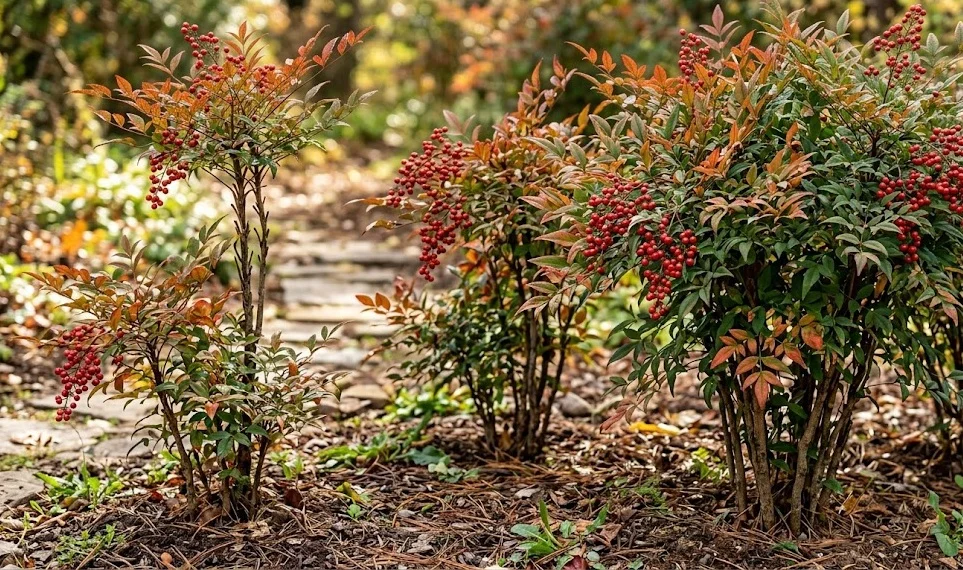
In full sun, the plant tends to grow more compactly and produces the most vivid red and purple hues during the autumn and winter months. The intense light triggers the production of anthocyanins, the pigments responsible for the dramatic color shifts that gardeners find so attractive. However, in very hot climates, too much direct afternoon sun can lead to leaf scorch and general stress if the plant is not kept adequately hydrated. Balancing the need for light with the reality of your local temperature extremes is a fundamental part of expert plant placement.
Partial shade offers a middle ground where the plant can still develop good color without the risk of heat stress associated with full sun. In these conditions, the shrub may grow slightly taller and more open as it reaches toward the light sources. You will find that many varieties thrive in the dappled light found under the canopy of larger trees or in areas that receive morning sun and afternoon shade. This versatility makes the heavenly bamboo an excellent choice for complex garden designs where light levels are inconsistent.
Even in deep shade, this resilient plant can survive and maintain its lush green appearance throughout the year. However, you should manage your expectations, as a plant in heavy shade will likely never develop the brilliant red colors found in sunnier spots. The growth will be much slower and the stems may become a bit leggy as the plant searches for whatever light is available. If your primary goal is a dense, colorful specimen, you should aim for at least four to six hours of direct or very bright indirect light each day.
Full sun vs partial shade
Planting in full sun is the professional choice for those who want to maximize the ornamental value of the plant’s seasonal color changes. The energy from the sun allows the plant to produce a high volume of sugars, which are then used to create the vibrant berries and the intense leaf pigments. You should ensure that sun-grown plants have a consistent supply of moisture, as the increased light leads to higher rates of transpiration. A well-hydrated plant in full sun is a stunning sight that becomes the highlight of any autumn garden landscape.
More articles on this topic
In partial shade, the plant often exhibits a more graceful and airy form that many gardeners find appealing for formal or meditative spaces. This lighting environment is perfect for areas of the garden that are transition zones between open lawn and more wooded sections. You may notice that the foliage stays green for longer into the autumn before finally turning a more subtle shade of bronze or burgundy. This softer color palette can be used to create a more integrated and natural look that blends beautifully with other shade-loving perennials.
Reflected light from light-colored walls or fences can also be used to boost the light levels for plants in shaded areas. You can strategically place your shrubs to take advantage of this “second-hand” light to improve their growth and color development. This is a common professional trick for urban gardens where direct sunlight may be limited by surrounding buildings or structures. Even a small increase in the total light energy the plant receives can have a noticeable impact on its overall vigor and aesthetic appeal.
The health of the plant can sometimes be compromised in full sun if the soil is poor or the air is exceptionally dry. You should monitor the foliage for any signs of “bleaching,” where the leaves turn a pale, washed-out green or yellow from too much light exposure. If you see this happening, it may be necessary to provide some temporary shade or to increase the mulching and watering frequency. A truly expert gardener is always willing to adjust the environment to find the perfect balance that the plant needs to flourish.
Impact of light on foliage color
The biological mechanism behind the color change in the leaves is directly linked to the intensity and duration of the light the plant receives. As the days shorten and the light levels decrease in the autumn, the plant begins to break down its green chlorophyll. If the plant has been in a sunny spot, the high sugar content in the leaves reacts with the remaining light to produce the brilliant red and purple pigments. This is why plants in the sun always look more dramatic than those tucked away in the darker corners of the garden.
More articles on this topic
Seasonal variations in light will cause the plant’s appearance to shift constantly throughout the year, providing ongoing visual interest. In the spring and summer, the high light levels support the production of deep green, glossy leaves that provide a lush backdrop for other flowers. As the sun’s angle changes and the light becomes less intense in the winter, the red colors take center stage and persist until the new growth begins. Understanding this cycle allows you to design your garden to take full advantage of these natural transitions.
If you find that your plant is not developing the colors you expected, it is almost always a sign that it is not receiving enough light. You may need to prune back overhanging branches from nearby trees or move the plant to a sunnier location in the garden. Sometimes, even a few feet of movement can make a massive difference in the amount of light the plant can capture. Observing how the light moves across your garden at different times of the year is the best way to plan for these adjustments.
Light also influences the production of the plant’s white flowers and subsequent red berries, which add another layer of beauty to the shrub. Plants in sunnier locations will typically produce more flowers and a much heavier crop of berries than those in the shade. These berries are not only attractive to humans but also provide a valuable food source for birds during the lean winter months. By optimizing the light levels, you are supporting the entire reproductive cycle of the plant and increasing its value to the local ecosystem.
Indoor light management
Growing this shrub indoors or in a sunroom presents a unique set of light challenges that must be managed for the plant to remain healthy. You should place your indoor specimens near a large, south-facing window where they can receive several hours of direct sunlight each day. If the light is too low, the plant will quickly become spindly and lose many of its lower leaves as it tries to economize its energy. Regularly rotating the pot will ensure that all sides of the plant receive equal light and that it grows into a symmetrical shape.
Supplemental lighting with grow lights can be a professional solution for keeping the shrub vibrant in homes with limited natural light. Modern LED grow lights are very energy-efficient and can provide the specific spectrum of light that the plant needs for photosynthesis. You should aim to keep the lights on for about 12 to 14 hours a day to mimic a natural outdoor environment. Placing the light source close to the top of the plant will ensure maximum intensity without causing heat damage to the delicate foliage.
Glass windows can sometimes act like a magnifying glass, focusing the sun’s rays and causing the leaves of an indoor plant to scorch. You should be especially careful during the summer months when the sun is at its strongest and the temperatures behind the glass can soar. If you notice brown, dry patches on the leaves that face the window, it is time to move the plant back a few feet or to use a sheer curtain to diffuse the light. Finding the right distance from the window is a matter of trial and observation over several weeks.
During the winter, the natural light levels indoors drop significantly, which can cause the plant to enter a period of semi-dormancy. You should reduce your watering and fertilization during this time to match the plant’s slowed metabolic rate and lower light intake. If you keep the plant too warm and well-fed in low light, it will produce weak, unhealthy growth that is very susceptible to pests like scale and spider mites. Respecting the plant’s need for a rest period during the darker months is a key to long-term success with indoor cultivation.