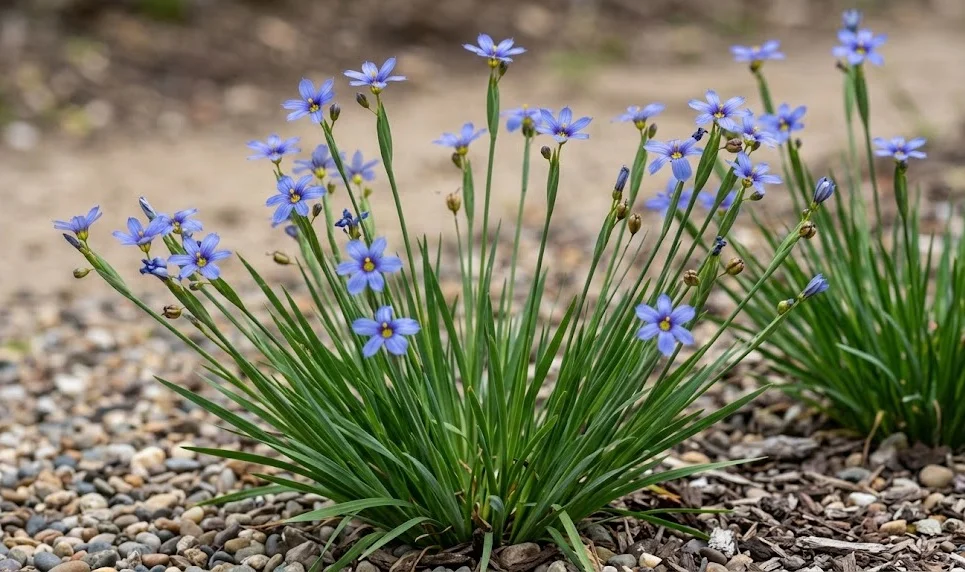

Managing the health of narrow-leaf blue-eyed grass involves a proactive approach to identifying and mitigating potential biological threats. While this native species is generally robust, it can be susceptible to specific pathogens and herbivores under certain environmental conditions. A professional understands that a healthy plant is the best defense against any infestation or infection. By maintaining optimal growing conditions, you can significantly reduce the impact of the common pests and diseases that affect this iris family member.
Identifying common fungal pathogens
Fungal issues are the most frequent health problems encountered when growing this species, especially in humid or poorly drained environments. Leaf spot is a common ailment characterized by small, dark lesions that appear on the grass-like foliage. If left unchecked, these spots can merge, leading to large sections of yellowing or necrotic tissue that compromise the plant’s ability to photosynthesize. Improving air circulation around the clumps is the most effective cultural control for preventing the spread of these spores.
Rust is another fungal disease that occasionally affects the narrow-leaf blue-eyed grass, appearing as orange or reddish powdery pustules on the leaves. This pathogen thrives in cool, damp conditions and can spread rapidly through wind or splashing water. Affected leaves should be carefully removed and destroyed to prevent the spores from overwintering in the garden debris. Professionals often choose to thin out dense plantings to ensure that the foliage dries quickly after morning dew or rain.
Powdery mildew can sometimes appear as a white, flour-like coating on the surface of the leaves during the late summer months. While it is rarely fatal, it can significantly diminish the aesthetic appeal of the plant and weaken its overall vigor. This fungus often indicates that the plant is under stress, either from overcrowding or from extreme fluctuations in soil moisture. Ensuring consistent watering and proper spacing are the best ways to keep this particular pathogen at bay.
Systemic fungal infections, such as those that cause sudden wilting or crown rot, are more serious and require immediate intervention. These are often the result of “wet feet,” where the soil remains saturated for too long, allowing soil-borne fungi to attack the roots. If the base of the plant feels soft or shows signs of darkening and decay, the plant may need to be removed to protect its neighbors. Regular monitoring of soil moisture levels is the professional standard for avoiding these catastrophic failures.
More articles on this topic
Insect pests and mitigation strategies
While the narrow-leaf blue-eyed grass is not particularly attractive to many major agricultural pests, it does have a few common enemies. Aphids are perhaps the most frequent visitors, appearing as tiny green or black insects clustered on the new, tender growth. They feed by sucking the sap from the plant, which can lead to distorted leaves and a general lack of vigor. A strong stream of water from a garden hose is often enough to dislodge these pests without resorting to chemical treatments.
Slugs and snails can be a significant problem, particularly for young plants or those growing in shaded, damp areas. These mollusks feed on the foliage at night, leaving behind irregular holes and tell-tale silver slime trails. Using organic iron phosphate baits or physical barriers like copper tape can help protect high-value specimens. Keeping the area around the plants free of excessive leaf litter also removes the hiding spots where these pests congregate during the day.
Iris borers, while more common on larger iris species, can occasionally find their way into the crowns of blue-eyed grass. The larvae of these moths tunnel into the leaves and work their way down into the base of the plant, causing significant structural damage. Signs of an infestation include dark streaks on the leaves or a sudden collapse of an individual fan. If borers are detected, the affected parts of the plant should be removed and destroyed immediately to break the insect’s lifecycle.
Spider mites may become an issue during hot, dry spells when the plant is already under environmental stress. These microscopic pests live on the undersides of the leaves and create very fine webbing that can be hard to see at first. Their feeding causes a stippled or “bronzed” appearance on the foliage, which can eventually lead to leaf drop. Increasing the local humidity and ensuring the plant is well-hydrated are natural ways to make the environment less hospitable for mites.
More articles on this topic
Root rot and soil-borne issues
Root rot is perhaps the most dangerous condition for this species because the damage is often hidden until it is too late to save the plant. This condition is caused by several types of water-loving fungi and oomycetes that thrive in oxygen-depleted, saturated soils. The first visible symptom is often a general yellowing of the plant that does not respond to watering or fertilization. By the time the foliage begins to collapse, the root system is often a dark, mushy mess that can no longer support life.
Preventing root rot starts with professional site preparation and a commitment to excellent drainage protocols. If you are planting in an area with heavy clay, amending the entire bed rather than just the planting hole is essential to prevent a “bathtub effect.” This ensures that water can move laterally through the soil rather than pooling around the individual root balls. Using raised beds or planting on a slight incline are also effective professional techniques for managing excess water.
Soil-borne bacteria can also cause issues such as soft rot, which typically affects the crown and the base of the leaves. This is often characterized by a distinct, unpleasant odor and a rapid liquefaction of the plant tissue. This bacterium usually enters the plant through wounds caused by improper pruning, insect damage, or freeze-thaw cycles. Maintaining healthy, undamaged plants and using sanitized tools are the primary lines of defense against bacterial infections.
If a plant is diagnosed with a soil-borne disease, it is critical to not only remove the plant but also a portion of the surrounding soil. The pathogens can remain dormant in the earth for several years, waiting to infect the next susceptible host. Professionals often avoid replanting the same species in an infected spot for at least two or three seasons. This practice of crop rotation, even in an ornamental setting, is a key component of integrated health management.
Preventive care and cultural controls
The most effective way to manage pests and diseases is to prevent them from becoming established in the first place. This begins with “The Right Plant in the Right Place,” ensuring that the environmental conditions match the species’ needs perfectly. A plant that is stressed by too much shade or poor soil is much more likely to succumb to biological threats. Professional gardeners prioritize plant health as the ultimate form of pest control.
Sanitation is a critical but often overlooked aspect of professional garden maintenance. Always clean and disinfect your pruning shears with a solution of isopropyl alcohol or a bleach-to-water ratio before moving between plants. This simple step prevents the accidental spread of viruses and fungal spores from a sick plant to a healthy one. Additionally, removing spent flowers and dead leaves throughout the season reduces the habitat for many common pests.
Proper spacing between plants is essential for maintaining a healthy environment and reducing the risk of disease transmission. Dense plantings can create a stagnant microclimate where humidity levels remain high and airflow is restricted. Giving each clump enough room to reach its full size ensures that the foliage can dry out quickly after a rainstorm. This also makes it much easier to inspect the plants for early signs of trouble.
Finally, encouraging a diverse ecosystem in the garden provides natural checks and balances on pest populations. Beneficial insects like ladybugs, lacewings, and predatory wasps are highly effective at controlling aphids and other small pests. By avoiding broad-spectrum pesticides, you allow these “garden allies” to do the work for you. A professional approach views the garden as a complex system where every organism plays a role in maintaining overall health.
Natural remedies and biological control options
When intervention becomes necessary, professional gardeners prefer to start with the least toxic options available. For fungal issues, a spray made from diluted neem oil or a simple bicarbonate solution can be very effective if applied early. These treatments work by altering the surface pH of the leaves or creating a physical barrier that prevents spores from germinating. It is important to apply these treatments in the late afternoon to avoid burning the leaves under the hot sun.
Biological controls involve the introduction of natural predators to manage specific pest outbreaks. For example, releasing beneficial nematodes into the soil can help control the larvae of various beetles and borers that might attack the roots. These microscopic organisms are highly targeted and do not harm humans, pets, or beneficial insects. This method is particularly useful in established gardens where you want to minimize the use of chemical interventions.
Horticultural oils and insecticidal soaps are another professional-grade tool for managing soft-bodied insects like aphids and mites. These products work on contact by suffocating the pests, so thorough coverage of both the tops and bottoms of the leaves is necessary. Because they have no residual effect, they are safe for the environment once they have dried. Always test a small area of the plant first to ensure there is no adverse reaction to the treatment.
Monitoring and record-keeping are the final pieces of a professional pest and disease management strategy. By noting when certain issues appear and which treatments were successful, you can refine your approach over time. Every garden has its own unique challenges, and what works in one climate may not work in another. This data-driven approach allows for more precise and effective care in subsequent growing seasons.